
Plants
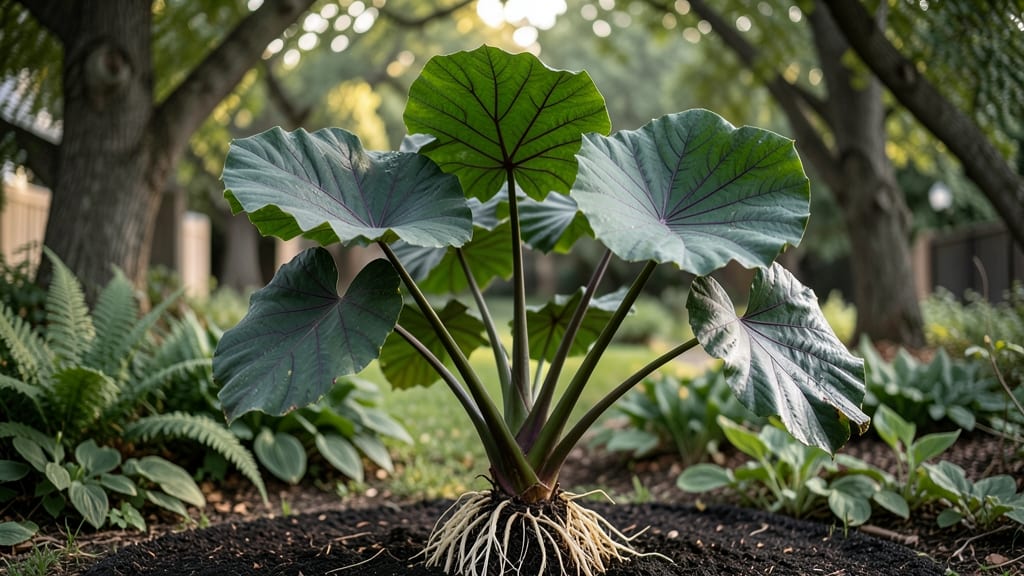
If you’ve ever wondered how much light does an elephant ear plant need, you’ll want to know that these tropical stunners despise extremes—drooping or yellowed leaves are usually a sign you’re either overdoing or underdoing it.
Unlike sun-loving succulents, they thrive in dappled shade and morning sun, making them perfect for shadier spots in your garden or even indoor corners that get bright, indirect light.
The key to happy Elephant Ear Plants is mimicking their natural habitat: think filtered sunlight through trees rather than harsh afternoon rays. Too much direct sun? You’ll see crispy edges on those massive leaves.
Too little, and they’ll stretch weakly toward any light source, losing their dramatic shape. I’ll show you exactly how to strike that balance—whether you’re planting in Zone 6a or bringing them indoors for winter.
You’ll learn the 3 signs your plant is begging for a light adjustment (spoiler: it’s not just the leaves), plus the best spots to place them—from east-facing windows to that shady corner of your yard. No more guessing games: just lush, thriving foliage that steals the show.
Ready to turn those sad stems into showstopping Elephant Ear Plants? Let’s fix your lighting game once and for all.

Elephant ear plant light requirements: partial sun vs. full shade breakdown
Elephant ear plants (Colocasia spp.) thrive in bright, indirect light but can handle full shade in hotter climates. Unlike sun-loving plants, these tropical beauties burn easily under harsh afternoon rays. Understanding their light spectrum—from morning sun to dappled shade—is key to preventing leaf scorch or leggy growth.
The ideal light exposure for elephant ears is 4-6 hours of filtered sunlight daily, especially in east-facing garden beds or under tree canopies.
In USDA Zones 8-11, they often perform best in full shade to avoid heat stress, while cooler zones (6-7) can tolerate morning sun without issues.
Here’s how to match their light needs to your climate: Northern gardens (cooler summers) can handle more direct light, while Southern gardens (intense sun) require afternoon shade protection. Container-grown plants need even more shade since pots overheat faster.
🌿
| Light Condition | Daily Sun Hours | Best For | Climate Zones | Leaf Health |
|---|---|---|---|---|
| Morning Sun | 2-4 hours | Cooler climates, containers | Zones 6-7 | Vibrant, glossy leaves |
| Dappled Shade | 4-6 hours indirect | Year-round ideal | Zones 8-10 | Healthy growth, minimal stress |
| Full Shade | 0-2 hours | Hot climates, indoor | Zones 11+ | Leggy stems, pale leaves |
| Harsh Afternoon Sun | 4+ hours direct | Avoid always | All zones | Brown scorch, crisp edges |
For morning sun exposure, position plants east of trees or under sheer curtains to filter rays gently. In containers, use light-colored pots to reflect excess heat—dark pots absorb sunlight and raise soil temps dangerously.
If your garden lacks natural shade, grow lights (12-14 hours/day) work well for indoor elephant ears.
In USDA Zone 7, I’ve seen elephant ears flourish in partial shade under Japanese maples, while the same variety in Zone 10 struggled unless moved to deep shade by midday.
Always monitor leaf color: Deep green means perfect light; yellowing signals too much sun; pale, stretched leaves mean insufficient light.
Pro tip: Rotate containers every few weeks to ensure even light exposure on all sides. This prevents one-sided growth and keeps foliage symmetrical and lush. For indoor growers, a south-facing window with sheer curtains mimics ideal outdoor conditions.
🌳
If you’re in a high-sun area, try interplanting elephant ears with tall grasses or ornamental shrubs to create natural shade. For container gardens, elevate pots on cinder blocks to improve airflow and reduce heat absorption.
Remember: Elephant ears are shade-loving divas—they’ll reward you with bold, dramatic leaves when their light needs are met.
💧
Now that you’ve mastered their light requirements, watch for early warning signs of stress—like yellowing leaf margins or weak stems—which we’ll tackle in the next section. These clues help you adjust care quickly before problems escalate.
Elephant ear plant light requirements: partial sun vs. full shade breakdown
Elephant ear plants (Colocasia spp.) thrive in partial shade, which means they need bright, indirect light with only 2-4 hours of morning sun daily. This mimics their natural tropical habitat, where sunlight filters through tree canopies.
Too much direct sun—especially afternoon rays—will scorch those stunning leaves, while too little light leads to weak, leggy growth.
The key is finding that sweet spot between dappled shade and gentle morning sun. For example, planting them under deciduous trees provides perfect shade during the hottest afternoon hours while still allowing filtered light.
In containers, place them near an east-facing window where they’ll get soft morning light without harsh exposure.
Here’s how to match your climate zone to their light needs:
- Temperate zones (USDA 6a-8b): Aim for 40-60% shade with morning sun only.
- Hot, dry climates: Increase shade to 70% to prevent leaf burn.
- Cooler regions: They can tolerate more morning sun (up to 6 hours) since afternoons are milder.
| Light Condition | Ideal Sun Exposure | Best For | Visual Cues |
|---|---|---|---|
| Partial Sun | 2-4 hours morning sun | Temperate climates, containers | Bright green leaves, upright stems |
| Dappled Shade | Indirect light only | Hot climates, indoor growing | Deep green, glossy leaves |
| Full Shade | 0-2 hours filtered light | North-facing spots, deep shade | Pale leaves, weak stems |
| Direct Sun | Afternoon sun exposure | Avoid entirely | Brown edges, crispy leaves |
If you’re unsure about your spot, test it for 2 weeks before planting. Place a white sheet of paper in the location for a day—if it shows burn marks, the area gets too much direct sun.
For indoor growing, an east-facing window within 3-5 feet of the plant is ideal, providing 4-6 hours of bright, indirect light daily.
Pro tip: Use light-colored containers to reflect extra heat away from the roots, especially in hotter climates. Dark pots absorb heat, which can stress the plant even if the light is perfect.
Pair this with consistent moisture (they love damp soil), and you’ll have showstopping foliage all season long.
Remember, elephant ear plants are all about balance—too much or too little light throws off their growth. Watch for those early warning signs (like yellowing or crispy edges) and adjust their spot before it’s too late.
With the right light, these plants will reward you with bold, healthy leaves that turn every garden into a tropical paradise.