
Plants
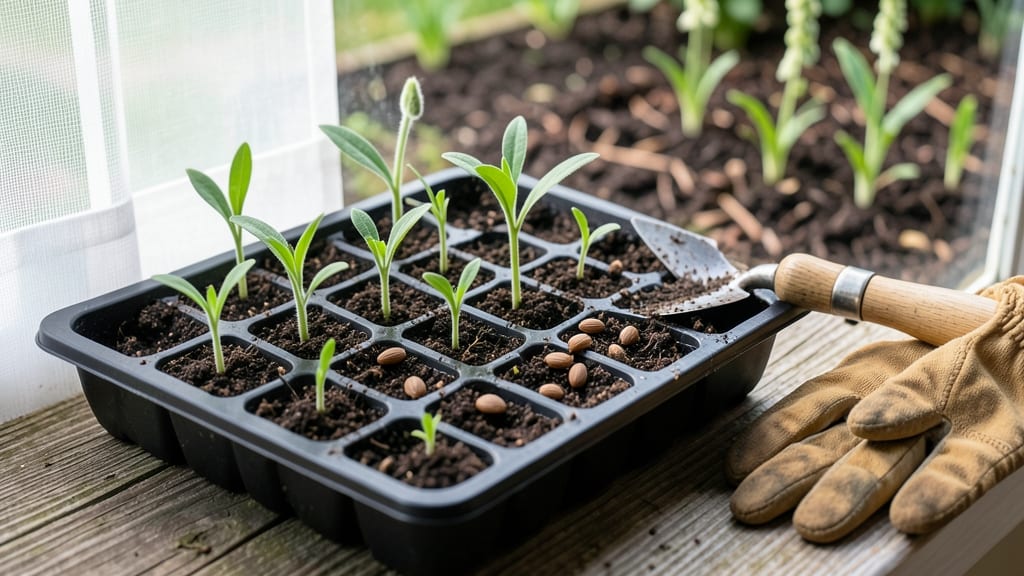
Planting foxglove seeds at the wrong time in Zone 7 could mean waiting years for those stunning 🌸 blooms—or never seeing them at all. The key to strong stems and vibrant flowers lies in timing them perfectly with your region’s frost dates and soil warmth, not just the calendar.
Most gardeners in Zone 7 (where last frosts typically hit around mid-April) make the mistake of sowing too early, only to watch tender seedlings succumb to cold snaps. But there’s a sweet spot—a window where seeds get just enough warmth to germinate without racing against winter’s return.
In this guide, I’ll break down the exact months (and even weeks) to plant for maximum success, whether you’re starting seeds indoors or sowing directly outdoors.
You’ll also learn how to prep your soil and seeds for Zone 7’s climate, so your foxglove grows into those towering, bloom-covered plants you’ve always dreamed of.
Skip the guesswork and get straight to the proven schedule that turns seeds into showstopping plants—without the trial and error. Let’s get those foxglove stems thriving from day one.

Best months to plant foxglove seeds in Zone 7 for full growth
Timing is everything when planting foxglove seeds in Zone 7. The ideal window spans from late summer to early fall, specifically August through September, when soil temperatures hover between 50–60°F.
This aligns perfectly with Zone 7’s last frost dates (typically April 15–May 15), giving seedlings time to establish roots before winter dormancy.
Direct sowing outdoors in August ensures seeds experience natural cold stratification during fall and winter, a critical step for breaking dormancy. By the time spring arrives, your foxglove will have strong stems ready to bloom in its second year.
Planting too early risks frost damage, while late sowing may delay germination until next spring, weakening the plant.
For gardeners in northern Zone 7 (e.g., Cincinnati, Ohio), aim for late August to avoid early frosts. In southern Zone 7 (e.g., Atlanta, Georgia), early September works better, as milder winters extend the growing season. Always check your local frost dates to fine-tune timing.
🌱 Foxglove Planting Timeline for Zone 7
| Stage | Action | Month | Soil Temp (°F) |
|---|---|---|---|
| Direct Sowing | Plant seeds ¼" deep in well-draining soil | August–September | 50–60°F |
| Cold Stratification | Seeds overwinter naturally in soil | October–March | 35–45°F |
| Germination | Sprouts appear in early spring | April–May | 45–55°F |
| First Year Growth | Basal rosette forms (no flowers) | May–October | 60–75°F |
| Blooming | Tall stems with foxglove flowers emerge | Second Year (Late Spring) | 55–65°F |
If you miss the fall window, you can still try spring sowing in April after the last frost, but germination rates drop significantly. Foxglove seeds thrive with direct sowing—avoid starting them indoors, as they hate root disturbance during transplanting.
Instead, scatter seeds lightly over prepared soil and gently press them in.
After planting, maintain consistent moisture (but avoid soggy soil) and mulch with 2–3 inches of organic matter to protect seeds from drying out. By late fall, your seeds will be ready to overwinter, setting the stage for robust stem growth and vibrant blooms the following year.
Pro tip: Mark your planting spots with biodegradable flags to avoid disturbing seedlings in spring. Foxglove’s tall, dramatic flowers are worth the patience—just don’t rush the process! 🌸
For Zone 7 gardeners, the key is patience and precision. Plant in August–September, let nature handle the cold stratification, and enjoy two years of stunning vertical interest in your garden. The wait is worth every inch of growth! ✂️
Best months to plant foxglove seeds in Zone 7 for full growth
Foxglove seeds thrive in Zone 7 when planted during a narrow window of late summer to early fall—typically between mid-August and early September. This timing ensures seeds germinate in warm soil (ideal 50–60°F) but avoid the first frost (around November 15) before seedlings establish roots.
Planting too early risks frost damage, while late sowing delays growth, leaving stems weak for winter.
Zone 7’s last frost dates (April 15–May 15) don’t directly apply to seed planting—foxglove seeds need warm soil, not frost-free air. Instead, focus on soil temperature: use a soil thermometer to confirm 55°F+ before sowing.
If your soil heats up earlier (e.g., late July in southern Zone 7), adjust your schedule accordingly.
For indoor starts, begin seeds 6–8 weeks before your last frost (late February to early March). However, foxglove seedlings hate transplanting, so direct sowing outdoors is often better. If you must start indoors, use biodegradable pots to minimize root disturbance when moving them outside.
| Month | Best Time to Plant | Soil Temp | Notes |
|---|---|---|---|
| August | Mid-August to late August | 55–65°F | Ideal for direct sowing; seeds germinate in 2–4 weeks. |
| September | Early September | 50–60°F | Last chance for outdoor planting; cover with frost cloth if needed. |
| February–March | 6–8 weeks before last frost | 65–75°F (indoors) | Only for indoor starts; transplant carefully to avoid shock. |
If you miss the late-summer window, don’t panic—foxglove seeds can also be sown in early spring (March to April) for a second-year bloom. However, spring-sown seeds may produce smaller stems and fewer flowers compared to fall planting.
For best results, stick to the August–September schedule and prioritize well-draining soil to prevent rot during winter.
Pro tip: Mark your calendar for mid-September as the absolute deadline for outdoor sowing in Zone 7. After this, focus on protecting young seedlings with row covers or moving pots indoors until spring. With the right timing, your foxglove will reward you with towering, bloom-laden stems by next summer.
Remember, foxglove seeds are notoriously slow to germinate—sometimes taking 3–6 weeks to sprout. Patience is key, and consistent moisture (not soggy soil) will keep them on track for those showstopping blooms you’re dreaming of. 🌸