
Plants
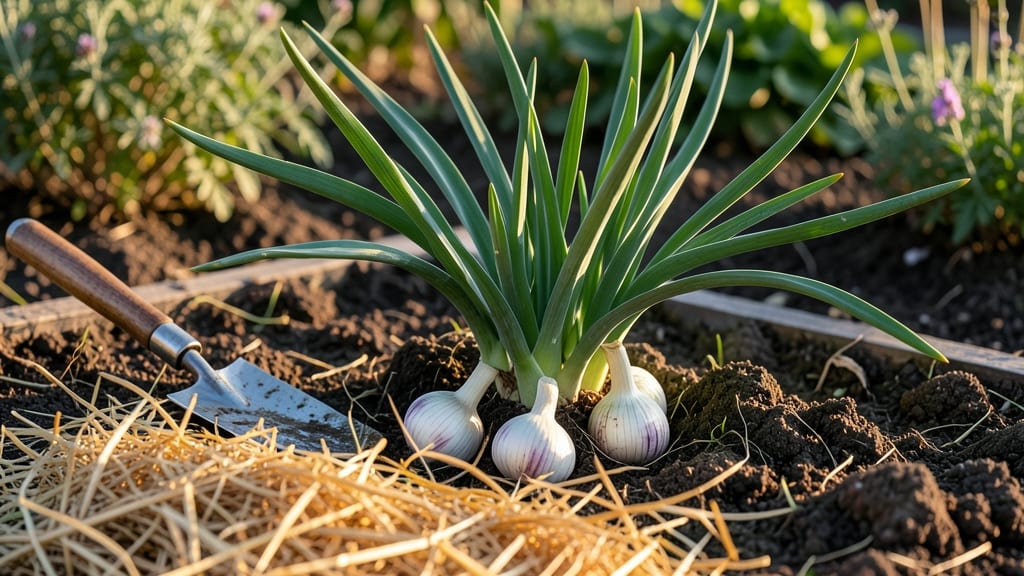
Optimal planting windows for zero-bolt garlic in zone 10A
Zone 10A’s mild winters and warm coastal breezes create unique challenges for garlic growers. Unlike colder zones, planting too early can trigger premature bolting (flowering), while waiting too long risks stunted growth.
The key? Planting during three precise windows when soil temps hover between 60°F and 70°F—the sweet spot for clove root establishment without heat stress.
Most gardening guides recommend fall planting, but in Zone 10A, that advice fails without adjustments. The three optimal windows—early fall, late fall, and early winter—each offer distinct advantages depending on your microclimate.
For example, coastal areas like Santa Barbara can plant as late as January, while inland zones like Riverside should start by November to avoid summer heat.
Here’s the breakdown of each window, including exact dates, soil temperature thresholds, and bolting risks to avoid:
| Planting Window | Soil Temp Range | Best For | Bolting Risk | Zone 10A Dates |
|---|---|---|---|---|
| Early Fall | 60°F–70°F | Coastal areas, slower growth | Low (if planted by Nov 15) | October 1 – November 15 |
| Late Fall | 55°F–65°F | Inland areas, faster rooting | Moderate (plant by Dec 15) | November 16 – December 15 |
| Early Winter | 50°F–60°F | High-altitude 10A, minimal heat stress | High (plant by Feb 15) | January 1 – February 15 |
For coastal Zone 10A (e.g., Malibu, San Diego), prioritize early fall planting (October–November) to leverage cooler ocean breezes. Inland areas like Palm Springs or Riverside should aim for late fall (November–December) to escape summer heat.
Pro tip: Use a soil thermometer—cloves won’t sprout reliably below 50°F or above 75°F.
Bolting is the #1 enemy in Zone 10A. The late fall window (November–December) offers the best balance: cool enough for root growth but warm enough to avoid winter dormancy. If you miss this, early winter (January–February) is your last chance—but expect smaller bulbs.
For zero-bolt garlic, avoid planting after February 15 unless you’re using hardneck varieties like ‘Silverskin’, which tolerate heat better.
Another critical factor? Day length. Garlic in Zone 10A needs 12–14 hours of daylight to bulb properly. Planting in late fall aligns with shortening days, while early winter planting risks longer days that trigger bolting. Use shade cloth (30%) if planting in January–February to mimic shorter days.
Let’s say you’re in Santa Barbara and want to plant in December. Wait until soil temps drop below 65°F (check mornings) and use 2–3 inches of straw mulch to insulate cloves.
For Riverside, plant by November 30 to avoid summer heat stress. Always test soil moisture—Zone 10A’s winter rains can lead to waterlogged soil, which rots cloves.
Finally, variety selection matters. Softneck varieties like ‘Artichoke’ or ‘Silverskin’ handle Zone 10A’s heat better than hardnecks. Save hardnecks (e.g., ‘German Red’) for cooler microclimates or high-altitude 10A areas. Plant individual cloves, not sets, for larger bulbs—Zone 10A’s heat stunts growth, so maximize clove size from the start.
🌱
Optimal planting windows for zero-bolt garlic in zone 10A
Zone 10A’s mild winters throw traditional garlic planting advice out the window—literally. Unlike colder zones where garlic thrives in fall dormancy, your Zone 10A garlic needs a cooler-but-not-freezing trigger to bulb properly.
Plant too early, and you’ll get bolting (flowering) before harvest. Plant too late, and bulbs stay small. The sweet spot? October through December, with a backup window in January-February for inland areas.
Coastal areas like Santa Barbara have cooler, wetter winters, while inland spots like Riverside stay warmer. This means your planting dates should shift by 2-4 weeks depending on microclimate. For example, coastal garlic might go in by late October, while inland garlic waits until November to avoid heat stress.
The key is soil temperature: aim for 60-70°F at planting time.
| Planting Window | Best For | Soil Temp | Bolting Risk |
|---|---|---|---|
| Late October - Early November | Coastal Zone 10A (e.g., Santa Barbara) | 60-68°F | Low (if planted before rains) |
| Mid-November - Early December | Inland Zone 10A (e.g., Riverside) | 65-70°F | Moderate (avoid heatwaves) |
| January - February | Backup for missed windows | 60-65°F | High (if temps rise too fast) |
For zero-bolt garlic, prioritize hardneck varieties like 'Silverskin' or 'Artichoke', which handle Zone 10A’s warmth better than softnecks. Plant 2 inches deep with the pointy end up, spacing cloves 4-6 inches apart in rows 12 inches apart.
This spacing prevents competition and ensures plump bulbs. Mulch heavily with straw or wood chips (3-4 inches) to insulate roots and retain moisture during winter rains.
Watch for heat stress signs: if your garlic sends up flower stalks (bolting) before April, it’s a sign you planted too early. Conversely, if leaves stay green and lush past May, you likely planted too late.
Adjust next year’s timing by 2 weeks earlier or later based on these cues. Zone 10A garlic should be harvest-ready by July, with bulbs the size of golf balls.
Pro tip: Test your soil before planting—Zone 10A soils often lack organic matter. Amend with compost or aged manure to improve drainage and fertility. Aim for a pH of 6.0-7.0; garlic hates alkaline soil, which causes deficiency symptoms like yellowing leaves.
A simple soil test kit (under $20) saves headaches later.
Remember, Zone 10A garlic grows year-round, but the coolest months (November-February) are your only safe windows for bulbing. Skip spring planting—your garlic will bolt before maturing. With the right timing, you’ll harvest bold, flavorful bulbs instead of bitter, undersized cloves. 🧄