
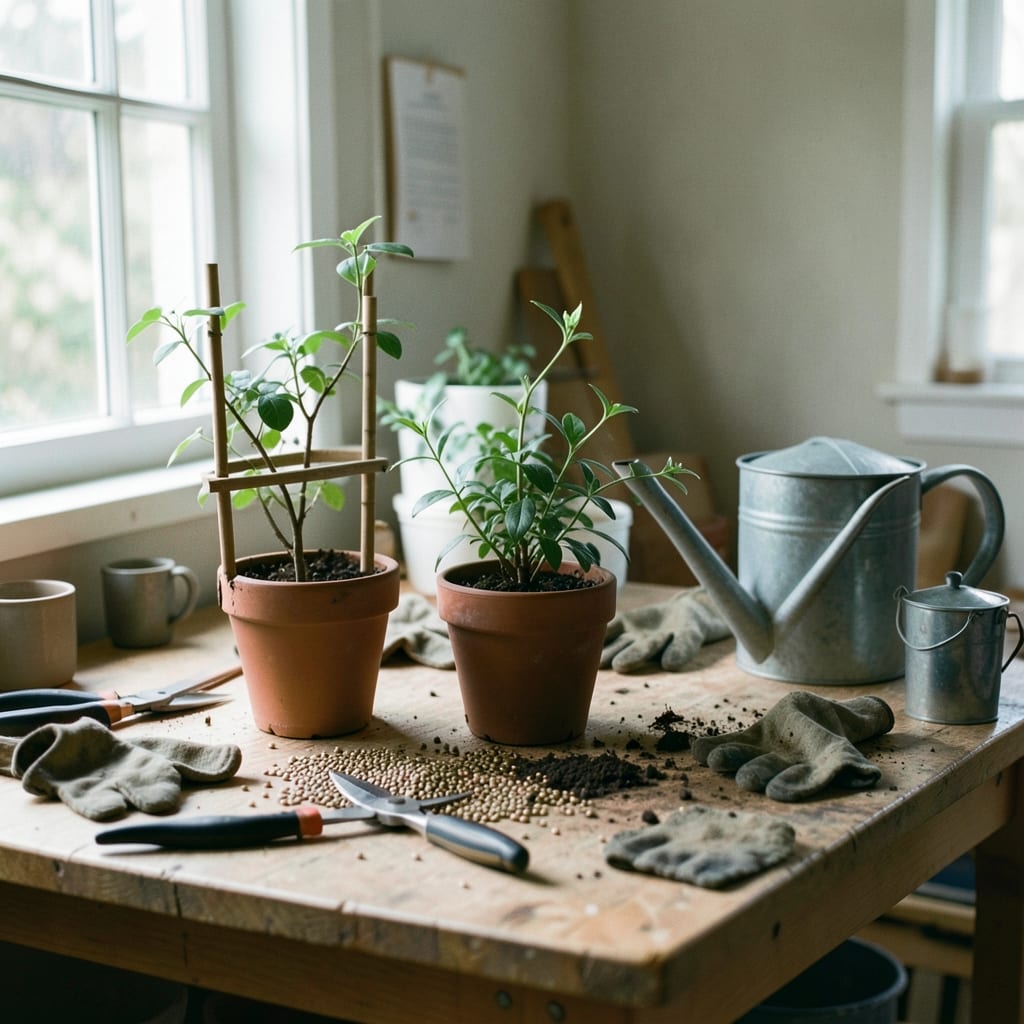
What changed, and what it changed for you
At first, this was just a notebook for my own garden—sketches of what sprouted, what rotted, and the half-remembered advice from old gardening books. The tone was defensive (‘*Trust me, this works!*’) because I’d spent years ignoring my own mistakes.
The photos were blurry, the soil tests were guesswork, and the ‘tips’ were really just what happened to *me* in *my* backyard. If you didn’t live in Zone 6 with loamy soil, half the advice was useless.
Now the site is built around the things that trip people up: the unspoken rules of seed starting, the way root crops behave when the summer’s too hot, the fact that ‘well-drained soil’ means different things in different climates.
Every post has a ‘check first’ section—things to measure or observe before you plant. The failures aren’t hidden; they’re front and center, because the point isn’t to grow perfect plants, but to grow *anything* from seed.
| It used to be | Now it is |
|---|---|
| A list of plants I’d grown that year, with no context. | Plant profiles that include *why* a tomato thrives in a cage but collapses under its own weight if staked—plus reader comments on their own failures. |
| Generic advice like ‘water deeply.’ | ‘Water deeply *unless* your soil is clay, in which case you’ll just create a mud pit. Here’s how to test drainage.’ |
| Photos taken in whatever light was available. | Side-by-side comparisons: the same basil under shop lights vs. full sun, with a note on how the leaves taste differently. |
| A single ‘best time to plant’ date per region. | A map with three planting windows (early, mid, late season) and a warning if your area’s known for late frosts or early heat. |
The one that took years
For five years, I refused to talk about soil. Not because I didn’t care—because every time I tried, the advice got messy. ‘Amend your soil’ is useless if you don’t know what’s wrong with it. ‘Use compost’ ignores the fact that some plants hate rich soil.
I’d take photos of my own garden beds, label them ‘perfect,’ and move on, while readers wrote in saying their tomatoes still wilted or their lettuce bolted.
I told myself it was their fault—they weren’t following my method—but the truth was simpler: I didn’t know how to describe what I was seeing.
The breaking point was a reader who sent a photo of their wilting zucchini plants. The soil looked fine to me, but when I dug deeper, the roots were circling instead of spreading.
That’s when I realized I’d been lying: I *had* noticed the circling roots in my own garden, but I’d assumed it was normal. It wasn’t.
I spent three months testing different soil mixes, tracking moisture levels, and finally admitting that ‘good soil’ isn’t a thing—it’s a *relationship* between what’s in the ground and what you’re trying to grow.
Now every post about soil includes a ‘dig test’: how to check for compaction, what healthy roots look like, and a warning if your local clay or sand is making drainage impossible.
The photos aren’t just pretty shots of garden beds; they’re close-ups of worm casts, fungal threads, and the color of roots when they’re happy or stressed.
It cost me two full growing seasons to get it right—one where I had to replant half my garden, another where I lost my peppers to blight because I’d ignored the soil’s pH.
But the emails stopped saying ‘your advice doesn’t work for me’ and started saying ‘I finally get why my beans kept dying.’
Meet the author
I used to write about gardening like it was a puzzle with one right answer. If your tomatoes split, you’d pruned too much. If your basil bolted, you’d planted it too late.
The subtext was always *‘If you follow the rules, you’ll succeed,’* even though I knew better—because my own garden was a graveyard of well-intentioned failures. I’d read every book on composting, memorized the moon phases for planting, and still ended up with more weeds than vegetables. The worst part?
I’d blame the seeds or the weather instead of admitting that maybe the ‘rules’ were just someone else’s lucky guesses.
I spent years pretending I had it figured out. I’d take a photo of my neat rows of marigolds, crop out the patch of dead soil where the carrots had rotted, and call it a success.
I never talked about the years I’d planted the same packet of seeds three times before they finally germinated, or the time I accidentally grew a forest of dandelions because I’d confused them for something edible.
What changed was the day a reader sent me a photo of their garden—and it looked just like mine. Not the postcard-perfect version I showed online, but the messy, half-dead, ‘I’m learning’ version. That’s when I realized: the point isn’t to grow a garden that looks like a magazine.
It’s to grow *something*.
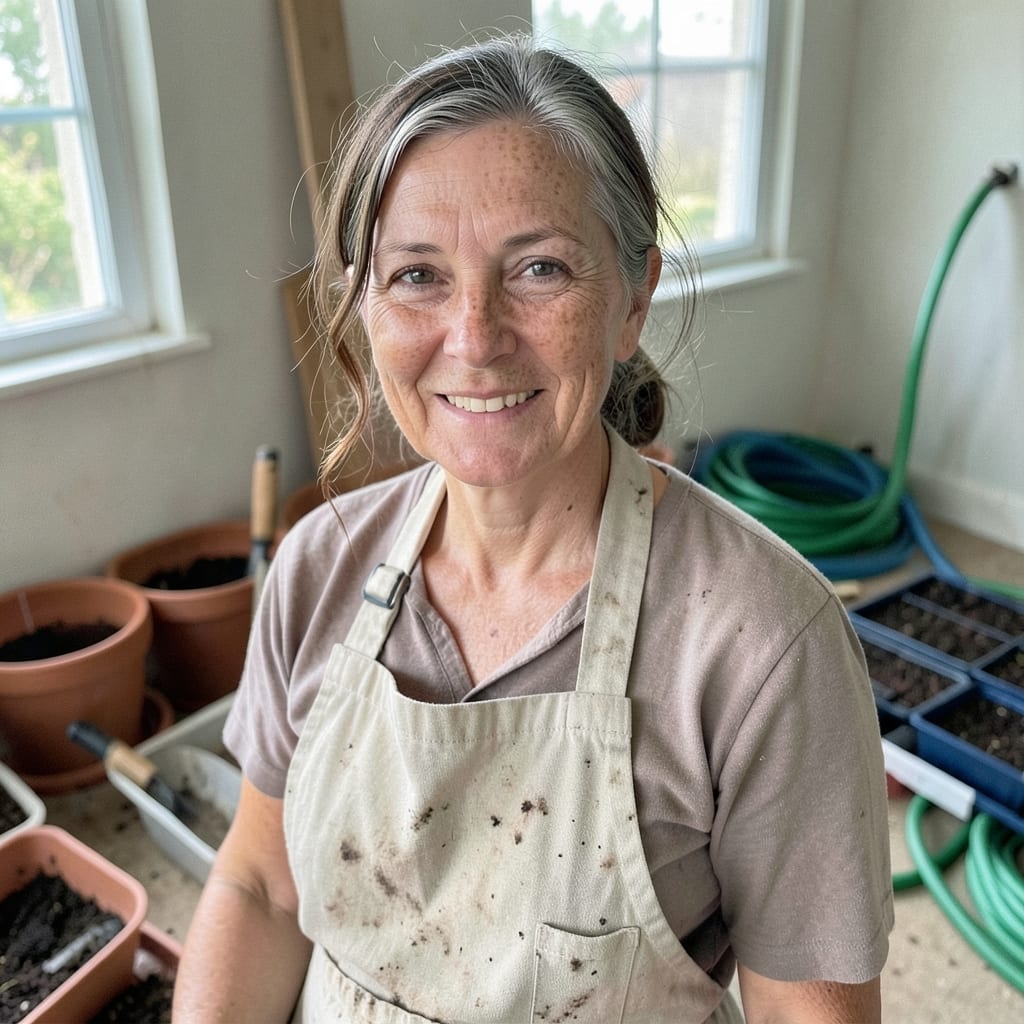
Now I write here as Dolores Hollis, the founder and editor of *Plant Window*.
My job isn’t to tell you how to garden perfectly—it’s to help you spot the mistakes before they kill your plants, celebrate the small wins (like that one seed that finally sprouted), and laugh when the squash vines take over the yard.
If you’ve ever stared at a wilted leaf and wondered *what went wrong*, this is where we figure it out together.
What did not change
The core belief hasn’t wavered: gardening is supposed to be *hard*. Not because the plants are fragile, but because the earth doesn’t care about your schedule or your aesthetic. That’s why this site still starts with the failures—the split tomatoes, the bolted lettuce, the seeds that never came up.
Those aren’t mistakes; they’re data. And the one thing that’s always been true? The best lessons come from the things that go wrong.
The other constant is the obsession with *why*. Not just ‘this plant likes sun,’ but ‘this plant wilts in sun because its roots can’t keep up with the evaporation, and here’s how to fix that.’ The details matter because the details are what trip people up.
A gardener who knows their soil’s pH can save their blueberries; a gardener who ignores the wind direction will lose their peas to lodging. The site’s still here because those specifics are what turn a hobby into a skill—and a skill into something that actually works.
What is still being fixed
The biggest gap is still here: most of the site focuses on edible plants, but perennials, shade-loving ground covers, and native wildflowers get short shrift. That’s not because they’re unimportant—it’s because I’ve only just started learning how to describe them.
A tomato plant’s problems are obvious (too much water, not enough sun), but a hosta’s struggles (slugs, root rot, the way it flops over in rain) require a different kind of attention.
I’m fixing that by adding a ‘perennial troubleshooting’ section, but it’ll take another growing season to get it right.
If you’ve got a plant that won’t cooperate—or a garden problem that stumps you—there’s still room to help. The contact page is the best place to send your questions, your photos, or even your soil test results. (Yes, I’ll actually look at them.)
Things that would help
- Photos of your garden’s ‘problem areas’ (wilting leaves, stunted growth, weeds you can’t kill). I’ll diagnose them—no gardening degree required.
- A soil test report (or even just notes on how your soil behaves: does it stay soggy? Does it bake hard in summer?).
- Your biggest gardening failure this year—and what you *think* went wrong. (Spoiler: It’s rarely what you think.)
The guides are grouped by category: Advice, Aphids, Companion Plants, Flowers, How To and Planting.