
Plants
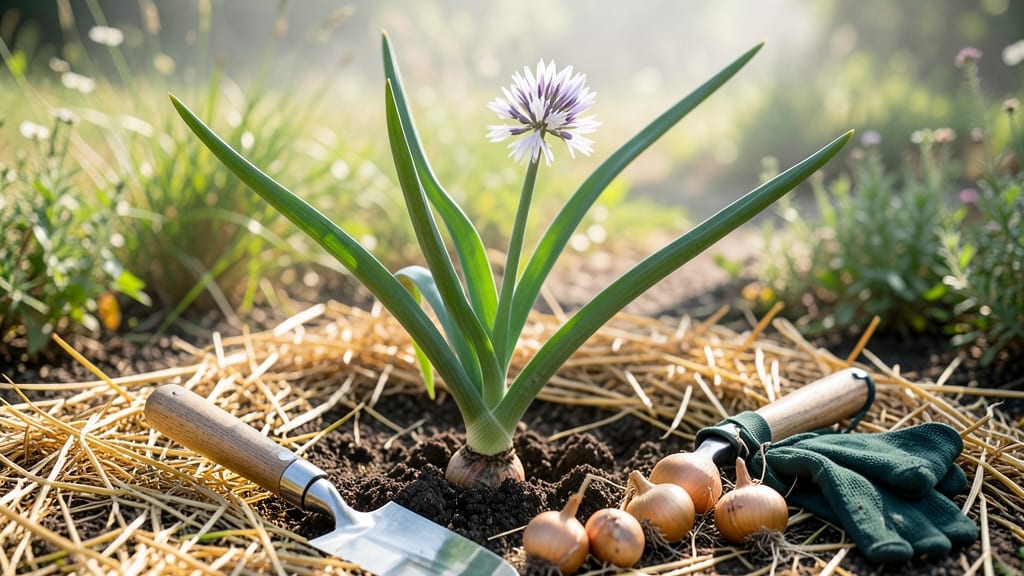
Planting onions in North Carolina at the wrong time can mean the difference between a bountiful harvest and wasted effort. With the right timing—whether you're growing Texas Early White or Yellow Granex—you’ll avoid frost damage and maximize bulb size, no matter if you're in Raleigh or Asheville.
The key is understanding your local frost dates: most of NC’s 6b-8a zones see their last frost around March 15, but mountain regions like Asheville can wait until April 15.
For best results, start onions in early spring (February-March) or late summer (July-August) when soil temps are ideal.
This isn’t just about throwing seeds in the dirt—it’s about working with NC’s climate to get the biggest, sweetest onions possible. I’ll walk you through the exact planting windows, soil prep, and variety choices that actually perform well in your specific corner of the state.
Skip the guesswork and learn how to plant onions for a harvest that’ll make your neighbors jealous. Let’s get started.
North Carolina onion planting calendar by variety: short-day vs long-day onions explained
North Carolina’s diverse microclimates—from the coastal plains to the mountain regions—mean onion planting times vary by USDA zones 7a–8b. The biggest factor? Whether you’re growing short-day onions (like Texas Early White) or long-day onions (like Yellow Sweet Spanish).
Short-day varieties thrive in NC’s heat, while long-day types need cooler conditions to bulb properly.
Most gardeners in NC plant onions in two key windows: early spring (for summer harvest) or late summer (for fall harvest). The last frost date (March 15 in Raleigh, April 15 in Asheville) sets your spring deadline, while first frost (mid-November) determines your fall cutoff.
Let’s break it down by variety and region.
| Variety Type | Best Planting Window (NC) | Ideal Soil Temp | Harvest Time | NC Region Notes |
|---|---|---|---|---|
| Short-Day (Southern) | Feb–March (spring) or July–Aug (fall) | 50–60°F for germination | June–July (spring) or Oct–Nov (fall) | Thrive in Piedmont/Mountains; avoid coastal heat stress |
| Long-Day (Northern) | Feb–March (spring only) | 45–55°F for chitting | July–August | Best for Coastal Plain; needs cooler spring |
| Green Onions (Bunching) | Jan–March or Aug–Sept | 55–65°F for growth | 45–60 days after planting | Harvest leaves; no bulb needed |
For short-day onions, NC’s heat actually helps bulb formation—plant Texas Early White or Red Creole in February for a June harvest, or July for a fall crop.
In the mountains (Asheville), wait until March 15 to avoid frost damage. Coastal areas can plant earlier (January) due to milder winters.
Long-day onions like Yellow Sweet Spanish need cooler temps to bulb properly. Plant these only in spring (February)—they won’t form bulbs if planted in summer. Chit your sets (place in cool, dark place for 7–10 days before planting) to jumpstart growth in NC’s warm springs.
Pro tip: Use onion sets (pre-germinated bulbs) for faster results. For seeds, start indoors 8–10 weeks before last frost or direct-sow in late winter. Soil prep is critical—NC’s clay-heavy soils need compost and sand for drainage.
If you’re in Zone 7a (western NC), aim for March 1–15 planting; Zone 8a (coastal) can start as early as January 15. Always check your local Almanac frost dates—they’re your best guide.
For fall planting, get seeds in the ground by July 31 to harvest before frost.
Remember: Onions hate competition. Space sets 4–6 inches apart in rows 12–18 inches apart to prevent disease and encourage bulb size. Mulch with straw to retain moisture and suppress weeds—NC’s humid summers can stress young plants.
For green onions, you can plant succession crops every 3 weeks from January to September for a continuous harvest. These don’t need bulbs, just 6+ hours of sun and consistent moisture. 🧅
North Carolina onion planting calendar by variety: short-day vs long-day onions explained
North Carolina’s diverse climate means you can’t use a one-size-fits-all approach for onion planting. The state’s USDA zones 6b-8a create microclimates where short-day onions (like Texas Early White) thrive in the south, while long-day onions (like Yellow Sweet Spanish) do better in the mountains.
Timing your plantings to match your variety and location is the secret to avoiding small, pithy bulbs.
Short-day onions need 10-12 hours of daylight to form bulbs, making them perfect for NC’s coastal and piedmont regions. Long-day onions, however, require 14-16 hours of daylight and are better suited for the cooler mountain zones.
Planting the wrong type in the wrong place will leave you with skinny, stringy onions instead of the plump, flavorful ones you’re after.
Here’s the breakdown you need to match your variety to NC’s planting windows, adjusted for frost dates and daylight hours:
| Variety Type | Best Planting Months | Ideal NC Regions | Key Notes |
|---|---|---|---|
| Short-Day (e.g., Texas Early White) | February-March (spring) or July-August (fall) | Coastal (Zones 8a), Piedmont (Zones 7b) | Plant 4-6 weeks before last frost; needs warm soil |
| Long-Day (e.g., Yellow Sweet Spanish) | March-April (spring) or August-September (fall) | Mountains (Zones 6b-7a), Asheville | Wait for soil temps above 50°F; longer growing season |
| Day-Neutral (e.g., Red Creole) | February-April or July-August | All regions | Adapts to NC’s varied light; great for succession planting |
For spring plantings, start seeds indoors 8-10 weeks before your last frost date (or buy sets from a nursery). In NC, that means January for coastal areas and February for the mountains.
Transplant sets when soil temps hit 50°F—usually mid-March in Raleigh and early April in Asheville.
Fall plantings are a NC gardener’s secret weapon for avoiding summer heat stress. Aim for July-August so onions mature before winter. Use mulch heavily (straw or leaves) to protect bulbs from freezing. In Zone 8a (coastal), you can even get a second harvest by planting in late August.
Pro tip: Chit your onion sets (place them root-side down in a cool, dark place for 7-10 days) to jumpstart growth. This gives you a 2-week head start on the season, especially critical in NC’s unpredictable spring weather.
Pair this with well-drained soil (amend clay with compost) and you’re set for jumbosize onions.