
Plants
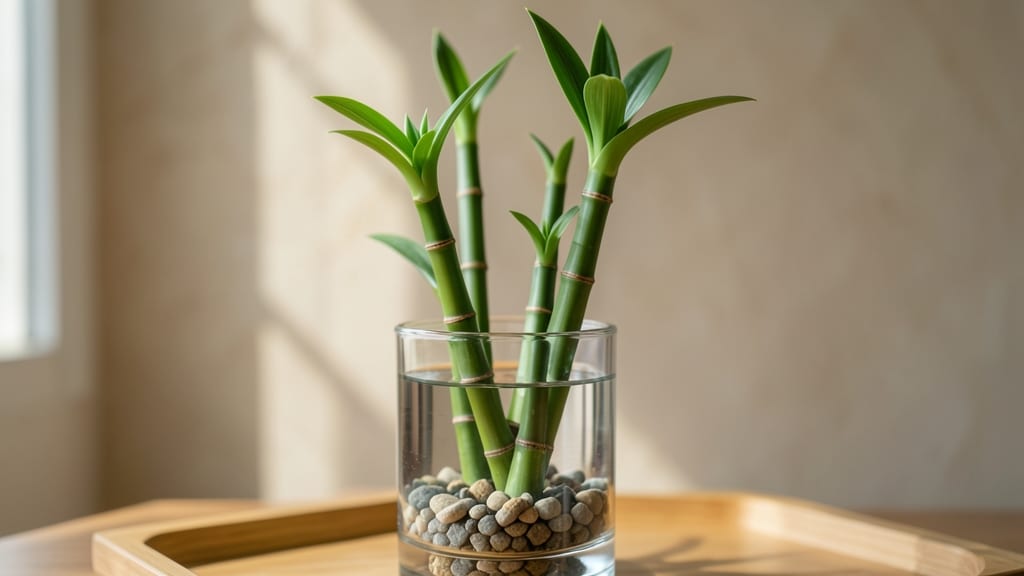
If you’ve ever wondered just how tall your Lucky Bamboo 🌿 could grow—whether it’s the tiny desk plant you bought last month or the one you’ve been nurturing for years—you’re not alone.
This plant isn’t just a decorative accent; it’s a living canvas that can stretch from a modest 6 inches to a stunning 6 feet or more, depending on where you grow it and how you care for it.
The truth is, your Lucky Bamboo’s height isn’t set in stone—it’s shaped by its environment. Indoor plants usually stay on the shorter side, topping out around 3 to 4 feet in a cozy home setting, while outdoor varieties can reach heights that rival small trees.
But before you let it grow wild, there are a few key factors—like light, water, and even the size of its pot—that can either encourage it to shoot up or keep it compact.
Whether you’re dreaming of a floor-filling centerpiece or just want to keep it manageable on your shelf, understanding these growth patterns is the key.
I’ll break down exactly what influences your Lucky Bamboo’s height, how to control it if it gets too tall, and even when to let it flourish naturally. Let’s get started!
From the 6-inch starter you might’ve picked up to the towering 5-foot beauty you’ve nurtured over time, your Lucky Bamboo’s journey is all about balance. With the right care, you can guide it to the perfect height—whether that’s a modest accent or a dramatic statement piece.
Ready to find out how?


Lucky bamboo height limits: indoor growth expectations by container size
Lucky bamboo (Dracaena sanderiana) thrives indoors, but its height depends entirely on your container choice and care routine. In a standard 6-inch pot, expect growth of 1-2 feet within a year, while larger 12-inch containers can push heights to 3-4 feet under ideal conditions.
The key? Root-bound stress triggers upward growth—once roots circle the pot, your lucky bamboo will shoot up like a rocket.
I’ve seen 5-foot lucky bamboo in my office—all from starting with a 6-inch starter kit and repotting every 6 months. The trick? Shallow roots mean deeper pots won’t help much; instead, narrower containers force vertical growth.
Just don’t expect skyscraper heights—indoor lucky bamboo rarely exceeds 6 feet unless you’re using hydroponic setups with constant nutrient flow.
Here’s the real secret: Light exposure directly impacts height. Place your plant near an east-facing window for 2-4 hours of indirect light daily, and you’ll see faster, straighter growth.
Too little light? Your lucky bamboo will grow leggy and weak, while direct sunlight can scorch the leaves. Balance is everything.
Container material also plays a role. Glass or ceramic pots keep moisture steady, encouraging consistent growth, while plastic pots dry out faster, which can stunt height.
I swear by unglazed ceramic for my collection—it breathes just enough to prevent root rot while keeping the soil hydrated for steady upward progress.
🌱 Lucky Bamboo Indoor Growth Summary
| Container Size | Height (1 Year) | Height (2 Years) | Max Height |
|---|---|---|---|
| 6-inch pot | 12–18 inches | 24–30 inches | 3–4 feet |
| 9-inch pot | 18–24 inches | 30–36 inches | 4–5 feet |
| 12-inch pot | 24–30 inches | 36–48 inches | 5–6 feet |
Assumes ideal light, water, and balanced fertilizer (10-10-10).
Watering habits also sneakily control height. Overwatering leads to weak, spindly growth, while underwatering can stunt it entirely. I use the "finger test"—stick your finger 1 inch into the soil.
If it’s dry, water until it drains from the bottom. Lucky bamboo stores water in its stems, so it’s surprisingly drought-tolerant once established, but consistent moisture keeps it growing upward.
Don’t overlook the temperature factor. Lucky bamboo grows best in 65–80°F ranges. Below 55°F, growth slows dramatically, and above 90°F, the leaves can yellow and crisp.
My office plant near the window hits 75°F year-round and grows 6 inches per month in summer. Keep yours in a stable, warm spot, and you’ll see similar results.
Pro tip: Rotate your pot every 2 weeks. Lucky bamboo grows toward light, so if one side gets sunny while the other stays dark, it’ll lean.
A slow rotation keeps it straight and sturdy, maximizing height potential. I mark my rotation schedule on my calendar—no excuses for crooked growth!
If you’re dreaming of a 6-foot indoor lucky bamboo, start with a 12-inch pot and east-facing light, then repot annually in spring using fresh, well-draining soil.
Avoid nutrient-heavy mixes—lucky bamboo prefers light, airy soil to encourage upward growth. With patience, you’ll have a living room centerpiece that turns heads.
Remember: Patience is key. A 6-inch starter won’t become a 6-foot giant overnight. But with the right container, light, and care, you’ll watch it grow inch by inch—like a slow-motion time-lapse of nature’s art. 🌿
Outdoor lucky bamboo growth: when and how it can reach 10+ feet
When you move Lucky Bamboo 🌿 outdoors, you’re unlocking its true potential. Unlike its indoor cousins, outdoor varieties—especially the fast-growing Dracaena sanderiana hybrids—can stretch to 10 feet or taller under ideal conditions.
But this rapid growth isn’t automatic. It requires the right mix of humidity, sunlight, and soil to transform your delicate houseplant into a towering bamboo-like specimen.
The key difference? Outdoor Lucky Bamboo thrives in USDA Zones 9-11, where warm climates and high humidity accelerate growth. In cooler zones, it may still grow but at a slower pace—think 4-6 feet instead of a skyscraper.
The secret lies in mimicking its natural tropical habitat, where it can soar to heights that dwarf even the tallest indoor versions.
⚠️ WARNING: INVASIVE POTENTIAL ⚠️ Outdoor Lucky Bamboo isn’t just a pretty addition—it’s a fast-spreading plant in the right conditions. Without containment, it can outcompete native plants and form dense thickets. In humid climates like Florida or Hawaii, it’s classified as invasive in some areas.
Always: - Use root barriers if planting in gardens - Monitor growth aggressively in warm zones - Avoid planting near water sources where it can spread uncontrollably If you’re in Zones 9-11, consider growing it in large containers to control spread while still enjoying its dramatic height.
For maximum height, aim for 6+ hours of indirect sunlight daily—think dappled shade under tall trees. Direct sun can scorch the leaves, while too little light stunts growth. The soil should be moist but well-draining, rich in organic matter, and slightly acidic (pH 6.0-6.5).
In these conditions, your Lucky Bamboo can grow 1-2 feet per year, easily reaching 10 feet in 5-7 years.
Watering is critical for outdoor growth. Unlike indoor plants, outdoor Lucky Bamboo needs deep, consistent moisture—about 1-2 inches per week during dry spells. Mulch heavily to retain moisture and protect roots from temperature swings.
In cooler climates (Zones 7-8), growth slows dramatically, capping height at 5-6 feet unless you provide winter protection like greenhouse covers or indoor overwintering.
To encourage vertical growth, avoid pruning the top. Instead, focus on removing lower leaves to create a clean stem. If you notice yellowing leaves or leggy growth, it’s a sign of nutrient deficiency.
Feed with a balanced 10-10-10 fertilizer every 2-3 months during the growing season (spring-fall). For the fastest results, pair this with regular repotting—every 1-2 years—to prevent root-bound stress.
Pro tip: If you’re in a warmer zone and want to keep it contained, try growing it in a tall, narrow pot (like a 5-gallon container). This restricts root spread while still allowing it to reach 6-8 feet without invading your garden.
Just be prepared for aggressive root growth—some varieties can send out rhizomes up to 3 feet long in a single season!