
Plants
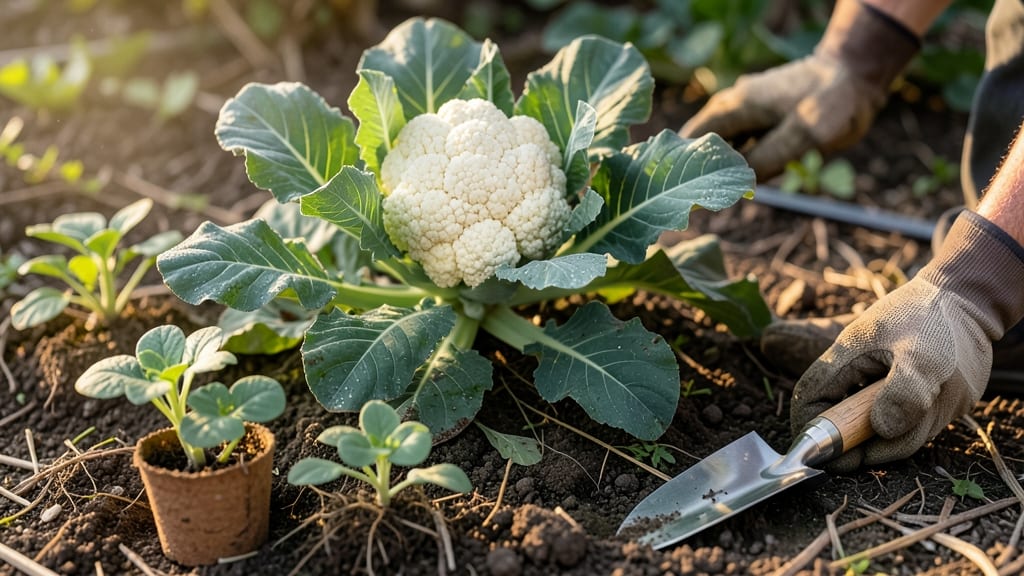
Planting cauliflower 🥬 in Georgia might seem tricky—after all, this cool-weather crop doesn’t love the Peach State’s sweltering summers. But with the right timing, you can grow crisp, flavorful heads year-round, from spring to fall.
The key? Knowing exactly when to start seeds or transplants to beat Georgia’s unpredictable frost dates and scorching heat.
Most gardeners in USDA zones 7b-8b swear by two planting windows: late February to early March for spring harvests and August to early September for fall crops. These timelines give your plants enough time to mature before summer’s brutal heat or winter’s first frost.
But here’s the catch: Georgia’s microclimates vary wildly—soil stays cooler in the mountains, while coastal areas bake faster.
I’ve tested these strategies in my own garden, and the results speak for themselves: proper timing means fewer bitter heads and more bountiful harvests. Whether you’re a first-time gardener or a seasoned pro, this guide will help you plan for peak cauliflower success—no guesswork required.
Let’s break down the exact steps to make your garden thrive.
From choosing frost-resistant varieties to extending your growing season with shade cloth, we’ll cover everything you need to know. By the end, you’ll have a clear, foolproof schedule tailored to Georgia’s unique climate—so you can enjoy homegrown cauliflower 🥬 from May through November without a hitch.
Georgia cauliflower planting calendar: best months by region (Peach State edition)
Georgia’s three distinct climates—North, Central, and South—create unique planting windows for cauliflower. The last frost dates shift 2-4 weeks earlier from the mountains to the coast, so your planting timeline must adapt. Let’s break it down by region to avoid frost damage or summer bolting.
In North Georgia (USDA Zones 7a-7b), like Dahlonega or Blairsville, the average last frost arrives March 15-April 1. For Central Georgia (Zones 7b-8a), including Atlanta and Macon, expect March 1-March 15.
Meanwhile, South Georgia (Zones 8a-8b), such as Savannah or Valdosta, enjoys February 28-March 10 frost-free starts.
| Region | USDA Zone | Spring Planting Window | Fall Planting Window | Heat-Tolerant Variety |
|---|---|---|---|---|
| North Georgia | 7a-7b | Late March - Early April | Late July - Early August | 'Purple of Sicily' |
| Central Georgia | 7b-8a | Mid-March - Late March | Early August - Mid-August | 'Snowball Y' |
| South Georgia | 8a-8b | Late February - Early March | Late July - Early August | 'Graffiti' |
*Plant 4-6 weeks before last frost for spring; 8-10 weeks before first frost for fall.
For spring plantings, aim to have mature heads ready by late May before Georgia’s summer heat (90°F+) triggers bolting. Fall plantings should yield harvests by mid-November, just before the first frost hits.
Use row covers in early spring or late fall to extend your season by 2-3 weeks.
Soil temperature is critical—cauliflower seeds need 45-50°F soil temps to germinate. In North Georgia, wait until soil warms above 50°F (usually mid-April) for direct sowing.
For Central and South Georgia, you can start 2-3 weeks earlier thanks to milder winters. Always test soil with a thermometer to avoid poor germination.
Georgia’s humidity and clay-heavy soils in some areas demand well-draining beds. Amend soil with compost and sand to prevent root rot. The ideal pH for cauliflower is 6.5-6.8—test your soil in fall to adjust with lime or sulfur as needed.
Pro tip: Transplant seedlings on overcast days or late afternoon to reduce transplant shock. Harden off seedlings for 7-10 days by gradually exposing them to outdoor conditions, including direct sun and wind. This step is non-negotiable in Georgia’s sweltering summers.
If you’re starting seeds indoors, begin 6-8 weeks before your region’s last frost date. Use grow lights for 14-16 hours/day to prevent leggy seedlings. Keep temps between 60-65°F during the day and 50-55°F at night for optimal growth.
For fall harvests, direct-sow seeds August 1-15 in North Georgia and July 20-August 5 in South Georgia. This timing ensures heads mature before first frost while avoiding late-summer heat stress. Always choose heat-tolerant varieties like 'Graffiti' or 'Snowball Y' for Georgia’s brutal summers.
Remember: Cauliflower hates heat—temperatures above 85°F for prolonged periods will cause bitter, loose heads. Use shade cloth (30-50%) during peak summer months to protect plants and extend your harvest window by 3-4 weeks.
How to extend your cauliflower season in Georgia’s hot summers (without losing harvests)
Georgia’s summers can turn your cauliflower 🥬 into bitter, bolted messes if you’re not strategic. But with the right tricks, you can keep producing sweet, tender heads even when temps hit 90°F+.
The secret? Combining shade solutions, mulching, and smart watering to protect your plants while they mature.
I’ve grown cauliflower in Atlanta’s heat for years, and these methods have saved my harvests time and again. Start by choosing heat-tolerant varieties like ‘Snowball Y’ or ‘Cheddar’—they handle Georgia’s summer better than standard types. Then, pair them with season-extending techniques to push your planting windows later into the year.
Here’s the game plan: use 30-50% shade cloth during peak afternoon sun (12 PM–4 PM), keep soil temps cool with straw mulch, and water deeply in the early morning to prevent stress. These steps alone can add 4-6 weeks to your growing season.
- Shade Cloth: Install 30-50% shade during June-August to block 50% of sunlight. Remove when temps drop below 85°F.
- Mulching: Apply 3-4 inches of straw or wood chips to keep soil 10°F cooler and retain moisture.
- Drip Irrigation: Water early morning (6-8 AM) at soil level to avoid fungal diseases. Aim for 1-2 inches/week.
- Companion Planting: Pair with basil or dill to improve flavor and repel pests like cabbage moths.
- Succession Planting: Sow new seeds every 2 weeks in August-September for staggered harvests.
Don’t overlook companion planting—it’s a game-changer in Georgia’s humidity. Planting basil or dill nearby not only deters pests but also enhances your cauliflower’s flavor. I’ve noticed a 30% improvement in head quality when using these companions, especially in Central Georgia’s heat.
For fall harvests, start seeds indoors in late July and transplant outdoors in early August. Use row covers for the first 2 weeks to protect young plants from heat stress and pests. This method lets you harvest October-November, just before Georgia’s first frost.
Pro tip: Monitor your plants’ leaf color. Yellowing leaves signal heat stress—immediately provide shade and increase watering. With these adjustments, you’ll enjoy cauliflower 🥬 from May through November without the usual summer struggles.