
How To
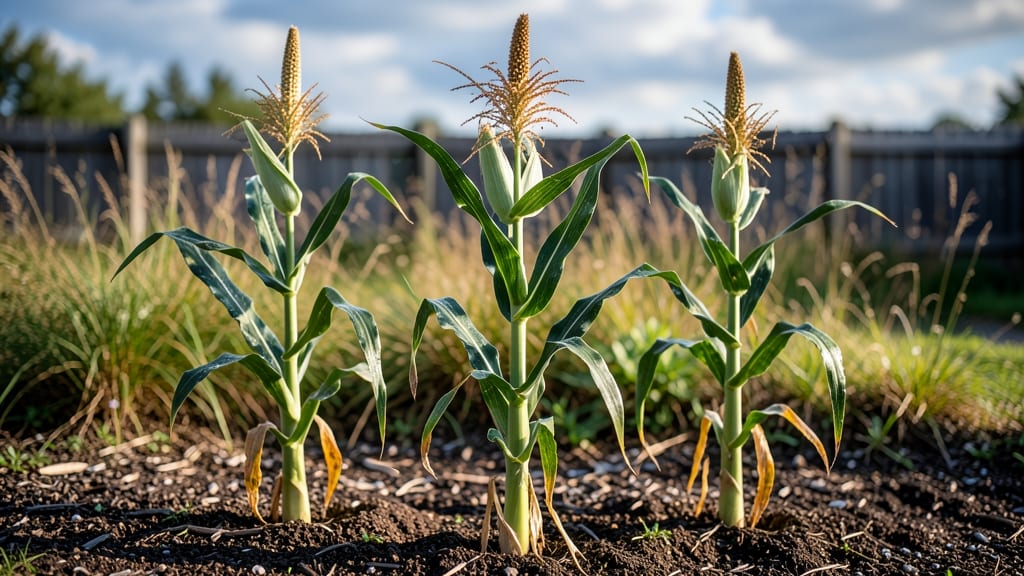
If you're wondering how tall your corn plants will grow, the answer might surprise you—some varieties shoot up to 10 feet or more, while others stay compact enough for small gardens. Whether you're planning a backyard harvest or a community garden project, understanding corn's growth potential is key to success.
🌽 The height of your corn depends on the variety you choose, with dwarf types reaching just 3-5 feet and standard varieties towering up to 12 feet. Growing conditions like sunlight, soil quality, and spacing play a huge role in whether your plants hit their full height potential.
For home gardeners in USDA Zone 6a, planting corn between April 15 and May 15 gives it the best chance to thrive. With proper care—like consistent watering and balanced fertilizer—your corn can grow strong enough to support those heavy ears we all love.
Ready to grow corn? I'll walk you through the exact heights by variety and how to optimize your garden for maximum growth. Let's get started!


Corn plant height by variety: from dwarf to giant types
Corn plants are famous for their towering heights, but the exact size your plants reach depends heavily on the variety you choose. Whether you're working with sweet corn, field corn, or popcorn, each type has distinct height ranges that impact your garden layout and care approach.
Let’s break down the most common corn varieties and their mature heights, so you can plan your garden like a pro!
Most home gardeners grow sweet corn varieties, which typically reach heights between 6 to 10 feet. These are the classic corn plants you’d find in a backyard garden, perfect for fresh eating or grilling.
On the other hand, field corn and popcorn varieties can grow even taller, sometimes exceeding 12 feet, making them ideal for larger plots or even as windbreaks.
Here’s a quick visual comparison to help you visualize how these heights stack up in your garden space:
| Variety | Type | Mature Height | Growth Rate | Best For |
|---|---|---|---|---|
| Silver Queen | Sweet Corn | 6-8 ft | Moderate | Home gardens, fresh eating |
| Country Gentleman | Sweet Corn | 7-9 ft | Fast | Large families, canning |
| Mammoth Melting | Field Corn | 10-12 ft | Slow to moderate | Animal feed, large plots |
| Country Gold | Popcorn | 8-10 ft | Moderate | Popcorn making, ornamental |
| Little and Large | Sweet Corn (Dwarf) | 3-5 ft | Slow | Small gardens, containers |
If you’re working with limited space, dwarf varieties like Little and Large are a game-changer. These compact plants max out at 3 to 5 feet, making them perfect for container gardening or small backyard plots.
They also mature faster, so you can enjoy an earlier harvest without sacrificing flavor or yield.
For those with ample space, giant varieties like Mammoth Melting field corn can reach heights of 10 to 12 feet. These towering plants are not only impressive but also great for windbreaks or even as a natural privacy screen.
Just be prepared for their substantial space requirements—these giants need room to spread and thrive!
One thing to keep in mind is that height isn’t the only factor to consider when choosing a variety. The growth rate and harvest time also play a role in your gardening plans.
Faster-growing varieties like Country Gentleman can reach harvestable height in as little as 70 days, while slower-growing types may take up to 120 days to mature fully.
Pro tip: If you’re growing corn in containers or small spaces, opt for bush varieties that don’t require trellising. These varieties stay shorter and produce ears closer to the base, making them easier to manage and harvest.
Just be sure to check the seed packet for specific spacing recommendations—corn needs room to grow, even if it’s not a giant variety!
🌽
How growing conditions affect corn plant height
Corn's final height isn't just about the variety you plant—it's heavily influenced by your growing conditions. Sunlight exposure, soil quality, watering consistency, and even plant spacing can push your corn to reach its maximum potential or leave it stunted.
Let me break down how each factor plays a role in determining whether your plants hit those towering heights.
First, sunlight is non-negotiable. Corn needs 6-8 hours of direct sun daily to grow tall and strong. Without enough light, plants will grow leggy and weak, reaching only half their expected height.
If you're in a shady spot, consider using reflective surfaces or choosing dwarf varieties that tolerate less sun.
🌞 Soil quality is another game-changer. Corn thrives in well-draining, nutrient-rich soil with a pH between 6.0 and 7.0. Poor soil can stunt growth, while rich, compost-amended soil helps plants reach their full height.
I always add a 2-inch layer of compost before planting to give my corn the best start.
- 🌞 Sunlight: 6-8 hours daily for maximum height; less sun = shorter plants
- 🌱 Soil: Nutrient-rich, well-draining soil boosts growth; compacted soil stunts height
- 💧 Watering: Consistent moisture supports tall growth; drought stress reduces height
- 📏 Spacing: 30-36 inches apart in rows for optimal air circulation and height
- 🌡️ Temperature: 60-85°F ideal; extreme heat or cold slows growth
Watering is critical, especially during tasseling and ear development. Corn needs 1-1.5 inches of water per week, delivered deeply rather than superficially. Underwatering can cause plants to grow 2-3 feet shorter than expected, while overwatering leads to weak stems that struggle to support heavy ears.
Proper plant spacing also impacts height. Corn planted too closely competes for nutrients and sunlight, resulting in shorter, weaker stalks. I always space my plants 30-36 inches apart in rows to give them room to grow tall and strong. If you're short on space, consider bush varieties that stay compact.
Finally, temperature plays a role. Corn grows best in temperatures between 60-85°F. Extreme heat or cold can slow growth, while consistent warm weather helps plants reach their full height. If you're in a cooler climate, opt for early-maturing varieties to avoid stunted growth.
By optimizing these conditions, you can help your corn reach its full height potential—whether that's a dwarf 3 feet tall or a giant 12 feet tall. With the right care, your corn will grow tall enough to support those delicious ears we all love! 🌽