
Companion Plants
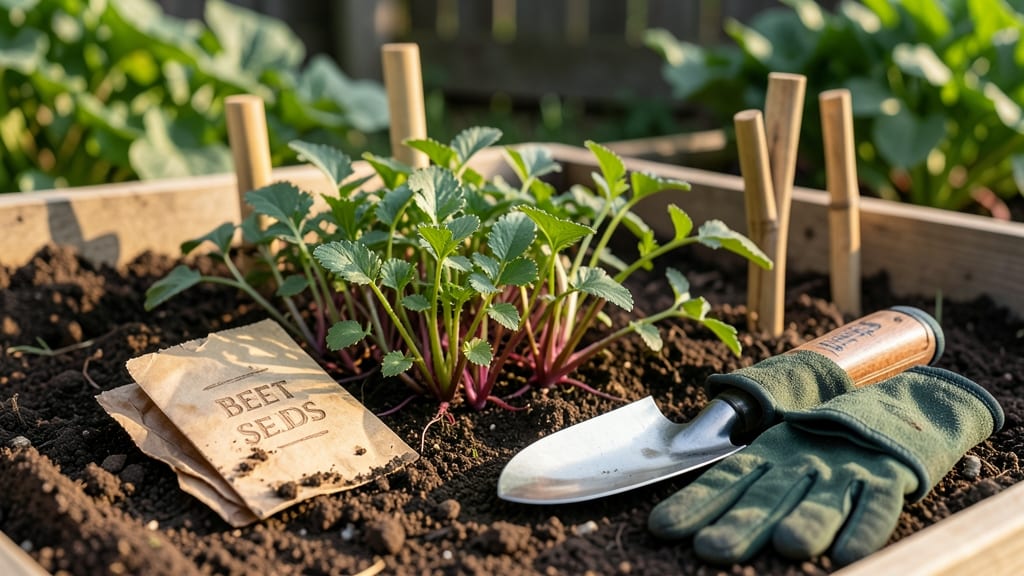
Planting beets at the wrong time in Zone 7 can turn your crisp, sweet harvests into bitter or tough messes—but getting the timing right is simpler than you think.
This cool-weather crop thrives when soil temperatures hover between 45°F and 85°F, making early spring and late summer the sweet spots for 🍠 success.
Most Zone 7 gardeners nail their spring planting by setting seeds 4-6 weeks before the last frost date (typically mid-March), but fall plantings often get overlooked. The key? Start your second batch in early August to ensure roots mature before winter chill sets in.
Why does this matter? Beets planted too early in cold soil may rot, while late plantings risk bolting—turning your dinner table into a sad salad of leafy tops. I’ll show you exactly how to calculate your frost dates and adjust for coastal vs. inland microclimates in Zone 7.
Ready to grow beets that are tender, flavorful, and harvested at peak sweetness? Let’s break down the exact weeks to plant for foolproof results—no guesswork, just great-tasting roots.

Zone 7 beet planting calendar: exact weeks before last frost for best results
In Zone 7, beets love cool weather but bolt (go to seed) when temperatures climb above 80°F. To grow sweet, tender roots, aim for planting 4-6 weeks before your last frost date in spring and 8-10 weeks before first frost in fall.
For most of Zone 7, this means March 15-April 15 for spring and August 1-September 1 for fall—but always check your local average last frost date for precision.
Beets thrive when soil temperatures stay between 50-70°F. If you plant too early, cold soil can stunt germination. Test soil temperature with a soil thermometer—wait until it consistently reaches 55°F before sowing seeds. In Zone 7, this usually aligns with late March to early April for spring plantings.
For a continuous harvest, you can plant beets in two waves: once in early spring and again in late summer. The key is avoiding the heat of July and August, when beets often bolt or develop tough, woody roots.
Fall plantings give you a second chance at crisp harvests before winter sets in.
🌱
| Planting Window | Soil Temp | Days to Harvest | Notes |
|---|---|---|---|
| Early Spring (March 15-April 15) | 55-65°F | 50-70 days | Harvest June-July; avoid late spring heat |
| Late Summer (August 1-Sept 1) | 60-70°F | 45-60 days | Harvest Oct-Nov; use row covers for cooler nights |
| Fall (Sept 15-Oct 15) | 50-60°F | 60-70 days | Extends harvest into winter; protect with mulch |
To calculate your exact planting window, subtract 50 days (minimum harvest time) from your last frost date. For example, if your last frost is April 1, plant by February 12. However, if soil is too cold, seeds won’t germinate—so always wait for soil temperatures above 55°F.
Use a frost date calculator for your specific Zone 7 location (e.g., coastal vs. inland areas vary by 1-2 weeks).
For coastal Zone 7 (e.g., Virginia Beach, Charleston), you can plant beets as early as February because milder winters allow earlier soil warming. Inland areas (e.g., Raleigh, Atlanta) should wait until mid-March to avoid cold soil delays.
Always monitor 7-day forecasts—if a late frost is predicted, cover seedlings with frost cloth to protect tender greens.
Pro tip: Sow beet seeds 1/2 inch deep in rows spaced 12 inches apart. Thin seedlings to 2-3 inches apart once they’re 2 inches tall to prevent overcrowding. This spacing ensures roots grow large enough for harvest while allowing greens to develop properly.
If you miss the spring window, don’t worry—beets are one of the few vegetables that thrive in fall plantings. Aim for August 1-September 1 to harvest before winter. Use black plastic mulch to warm soil faster in early fall, giving seeds a head start in cooler temperatures.
🌿
Zone 7 beet planting calendar: exact weeks before last frost for best results
Timing your beet seeds in Zone 7 means aiming for soil temperatures between 45°F and 85°F, with the last frost date as your anchor.
Most gardeners in this zone can expect their final frost around March 15, but coastal areas may see it 2-3 weeks later due to milder microclimates. To avoid bitter roots or bolting, plant your first batch 4-6 weeks before that date—so late February to early March.
For a second harvest, late summer is your golden window. Start seeds in early August to ensure roots mature before the first frost (around November 15) halts growth. This timing lets you enjoy beets through October, when they’re at their sweetest and crispest.
| Planting Window | Soil Temp | Weeks Before Frost | Harvest Time |
|---|---|---|---|
| Early Spring | 45°F–70°F | 4–6 weeks | June–July |
| Late Summer | 60°F–85°F | 10–12 weeks | October–November |
To calculate your exact frost dates, check your local USDA Plant Hardiness Zone 7a or 7b map—even a 5°F difference can shift your planting window by 1-2 weeks. For example, inland areas like Nashville may need to plant 1 week earlier than coastal Raleigh due to colder nights.
Pro tip: Use a soil thermometer to confirm temperatures before planting. Beets won’t germinate well in cold soil (below 45°F), so wait until the ground warms up—even if the air feels spring-like. This small step prevents rot and ensures strong seedlings.
For gardeners in Zone 7a (colder microclimates), push your spring planting to late March to avoid early frost damage. In Zone 7b (warmer areas), you can start as early as February 20 without risking frost injury.
Remember, beets are bolting-sensitive—if they sense heat stress (like 90°F+ soil), they’ll flower instead of forming roots. That’s why late summer plantings must be timed to finish before September 15 in most of Zone 7.