
How To
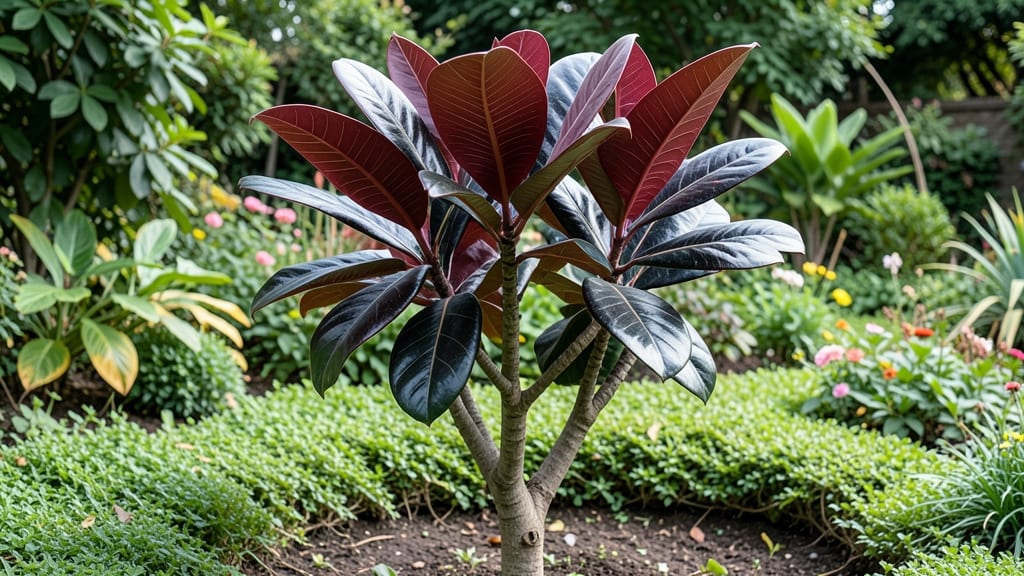
If your rubber plant needs how much light to thrive—yellow leaves, stretched stems, or crispy edges—you’re probably dealing with the wrong amount of light.
The truth is, rubber plants thrive in bright, indirect sunlight, but too much direct exposure can fry them just as fast as too little can stunt them.
I’ve seen this struggle firsthand: a plant that looked perfect in one spot suddenly wilts when moved. The key is finding that sweet spot—4 to 6 hours of bright, filtered light daily.
Whether you’re dealing with a dim office corner or a sun-drenched windowsill, I’ll show you exactly how to adjust placement for lush, healthy growth.
We’ll also tackle common myths—like whether rubber plants can survive in low light—and how to spot the signs of over- or under-exposure before it’s too late. No more guessing games; just science-backed tips to keep your plant thriving.
Ready to transform your rubber plant’s light situation? Let’s dive into the exact conditions it craves—and how to recreate them, even in tricky spaces.

Ideal daily light hours for rubber plants by room type
Rubber plants (Ficus elastica) thrive best in bright indirect light, but their exact needs vary depending on your home’s lighting conditions. Too little light leads to leggy stems and pale leaves, while too much causes brown leaf tips and crispy edges.
Let’s break down the perfect light balance for every room in your home.
In east-facing windows, your rubber plant gets soft morning sunlight—ideal for 4-6 hours of daily light. This is the sweet spot for vibrant growth without risking sunburn.
West-facing windows offer strong afternoon light, but you’ll need to rotate your plant every few days to prevent uneven exposure.
North-facing windows provide gentle, consistent light—perfect for 2-4 hours of indirect light. While this works, your plant may grow slower. South-facing windows? Avoid direct sun—use sheer curtains to diffuse harsh rays and limit exposure to 2-3 hours max to prevent leaf scorch.
If your home lacks natural light, supplemental grow lights are a game-changer. A 12-14 hour light cycle mimics daylight and prevents stretching. Place the light 6-12 inches above your rubber plant for even coverage—just avoid keeping it on 24/7 to mimic natural rest periods.
Pro tip: Rotate your plant ¼ turn weekly to ensure even growth. Uneven light exposure causes lopsided foliage, and rubber plants hate looking like they’re leaning toward the sun. This small habit keeps your plant symmetrical and sturdy for years.
For outdoor rubber plants, aim for morning sun + afternoon shade during summer. In winter, they can handle direct light for 4-6 hours, but watch for cold drafts—they’ll thank you with thicker, glossier leaves.
Remember: Yellow leaves often mean too much light, while pale, stretched stems scream not enough. Adjust gradually—rubber plants adapt best to slow changes in light exposure. Think of it like adjusting the thermostat: small tweaks yield the best results.
🌿
How to fix over-lit or under-lit rubber plants (with visual clues)
Your rubber plant’s leaves tell a clear story about its light struggles. Yellow patches on edges? That’s a sunburn warning. Pale, stretched stems? Your plant is crying out for more light.
The good news? These signs are easy to fix with small adjustments—no drastic moves needed. Let’s decode your plant’s signals and restore its balance.
Start by identifying the issue using these visual cues. If your rubber plant shows brown, crispy edges or white/yellow patches, it’s getting too much direct sunlight. Move it further from the window or add a sheer curtain to diffuse harsh rays.
If leaves are small, pale, and spaced far apart, your plant needs more light—gradually increase exposure over 1-2 weeks to avoid shock.
⚠️ Light Shock Warning
Never move your rubber plant from low light to bright sun overnight. Sudden changes cause leaf drop or wilting. Adjust light exposure gradually—move it 1-2 feet closer to the window every 3-5 days.
For over-lit plants, try this 3-step fix:
- Relocate to a spot with filtered light (e.g., 2-3 feet from an east window).
- Rotate the pot weekly to prevent one-sided browning.
- Mist leaves daily with room-temperature water to help recover.
Under-lit rubber plants need immediate attention. If stems are long and weak with tiny leaves, place it near a bright, indirect light source. A north-facing window works, but if that’s not an option, supplement with a grow light for 12-14 hours daily.
Avoid fluorescent bulbs without a full spectrum—they can make leaves yellow over time.
Pro tip: Test your light spot before moving your plant. Hold a white sheet of paper near the window for 1 hour. If it gets visible shadows, the light is too direct. If it stays evenly lit, it’s perfect for your rubber plant’s needs.
Remember: Patience is key. Rubber plants recover slowly from light stress, but with the right adjustments, you’ll see new, healthy growth in 4-6 weeks. Keep an eye on those leaves—they’re your best early warning system!
🌱