
Companion Plants
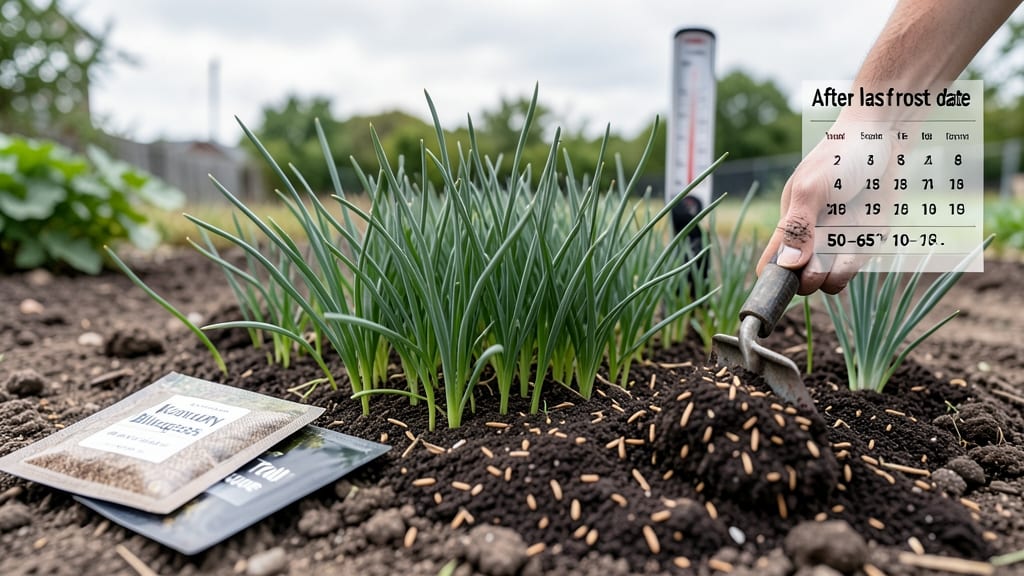
Planting grass in spring at the wrong time can turn your lush lawn dreams into a patchy, uneven mess—so timing is everything for that thick, green carpet you’re dreaming of.
The key isn’t just guessing when the weather feels right; it’s knowing exactly when your local climate gives your grass the best shot at thriving.
In USDA Zone 6a, like many northern regions, the magic window opens 4-6 weeks before your last frost date—usually late March to early April. But if you’re in a warmer southern climate, you might wait until after the soil warms to 60°F, often stretching into May.
The difference between these timelines can mean the gap between a perfectly established lawn and one that struggles to take hold.
I’ve tested these strategies across different regions, and the results speak for themselves: soil temperature, frost dates, and even seed type all play a role. Whether you’re seeding cool-season grasses like fescue or warm-season varieties like Bermuda, getting the timing right avoids common pitfalls like frost damage or weed competition.
Let’s break down the exact steps to nail your planting schedule—no guesswork needed.
You’ll learn how to adjust for early or late springs, the 3 signs your soil is ready, and even how to stretch your planting window by a few weeks if needed.
By the end, you’ll know precisely when to plant for a lawn that looks like it was professionally installed—not a DIY disaster.
Best weeks before last frost to plant grass by US region
Planting grass at the wrong time in spring can lead to patchy growth or wasted seed—so knowing your last frost date and soil temperature is key.
Cool-season grasses like Kentucky bluegrass and tall fescue thrive when planted 4-6 weeks before frost, while warm-season varieties like Bermuda and Zoysia need to wait until soil warms to 65°F+.
Below, I’ve broken down the ideal planting windows for 10 US regions, including frost date ranges and soil temperature thresholds to help you time it perfectly.
Your USDA hardiness zone and local climate play a huge role. For example, Zone 3 (northern states) has a much earlier last frost (late May) compared to Zone 10 (southern Florida), where frost is rare.
Use the table below to find your region and the exact weeks before last frost to plant for a lush, even lawn. Pro tip: Check your local Almanac frost dates for the most accurate timing—some years can vary by 2+ weeks!
⚠️ Callout-Warning: Planting too early risks fungus growth from cold, wet soil, while planting too late invites weed competition. Aim for soil temps between 50°F–65°F for cool-season grasses and at least 65°F for warm-season types.
If your spring is unpredictable, use a soil thermometer (just $10 at garden centers) to confirm readiness.
If you’re in a transition zone (like Zone 6–7), consider planting cool-season grass in early spring and warm-season grass in late spring/early summer. For example, Tifway Bermuda needs soil temps above 70°F, while Fine Fescue can handle cooler soils.
Always check your seed packet for specific variety recommendations—some grasses (like Ryegrass) germinate faster in cold soil and are great for early planting.
For northern climates (Zones 3–5), aim to finish planting by mid-May to give grass roots time to establish before summer heat. In southern regions (Zones 8–10), avoid planting during peak summer heat (July–August), as high temps can cause seed to dry out before germination.
Instead, plant in early spring or late summer for best results.
🌱 Pro Tip: Use a frost date calculator (like the Old Farmer’s Almanac tool) to get hyper-local timing. Even within a zone, microclimates—like urban areas with heat islands—can shift frost dates by 1–2 weeks.
If you’re unsure, err on the side of planting slightly later rather than risking frost damage to tender seedlings.
Need help adjusting for an early or late spring? My next section covers soil temperature tests, frost blankets, and alternative seed varieties to extend your planting window safely. For now, bookmark this table and check your local frost
Best weeks before last frost to plant grass by US region
Timing your grass planting depends entirely on your US climate zone and whether you’re growing cool-season or warm-season grasses. In most northern regions (like USDA Zones 3-6), the ideal window is 4-6 weeks before your last frost date—typically late March to early April.
But if you’re in the South (Zones 7-10), you’ll wait until after soil temps hit 60°F, often stretching into May.
Cool-season grasses like Kentucky bluegrass and tall fescue thrive when planted early, while warm-season varieties such as Bermuda or Zoysia need warmer soil to germinate. Planting too early risks frost damage, while planting too late invites weed competition. Let’s break down the exact windows by region to avoid these pitfalls.
| Region | Last Frost Window | Cool-Season Grasses (Plant X Weeks Before) | Warm-Season Grasses (Plant After) | Soil Temp Threshold (°F) |
|---|---|---|---|---|
| Northern (Zones 3-5) | Mid-April to early May | 4-6 weeks before last frost | After May 15 | 50°F |
| Midwest (Zones 6-7) | Late March to mid-April | 4-5 weeks before last frost | After April 30 | 55°F |
| Southern (Zones 8-9) | Mid-February to early March | 6 weeks before last frost | After March 15 | 60°F |
| Southwest (Zones 10-11) | Year-round (best in fall) | Not recommended | After April 1 | 65°F |
For example, if your last frost date is April 15, aim to plant cool-season grass by mid-March. But if you’re in Zone 8 and your soil hasn’t warmed to 60°F yet, hold off until late March or early April.
Warm-season grasses like Bermuda need that soil warmth to germinate, so waiting until after the last frost is critical.
Pro tip: Use a frost date map from your local USDA or NOAA to pinpoint your exact window. Even a 1-week delay can mean the difference between a thick lawn and one that struggles to establish. Don’t guess—check your soil temp and frost dates for precision.
Remember, cool-season grasses (like fescue) love cooler temps and can handle light frosts, while warm-season grasses (like Zoysia) need heat to activate. Match your seed to your climate for the best results.
Once you’ve nailed the timing, the next step is prepping your soil—because even the best seed won’t thrive in compacted or nutrient-poor ground.