
Plants
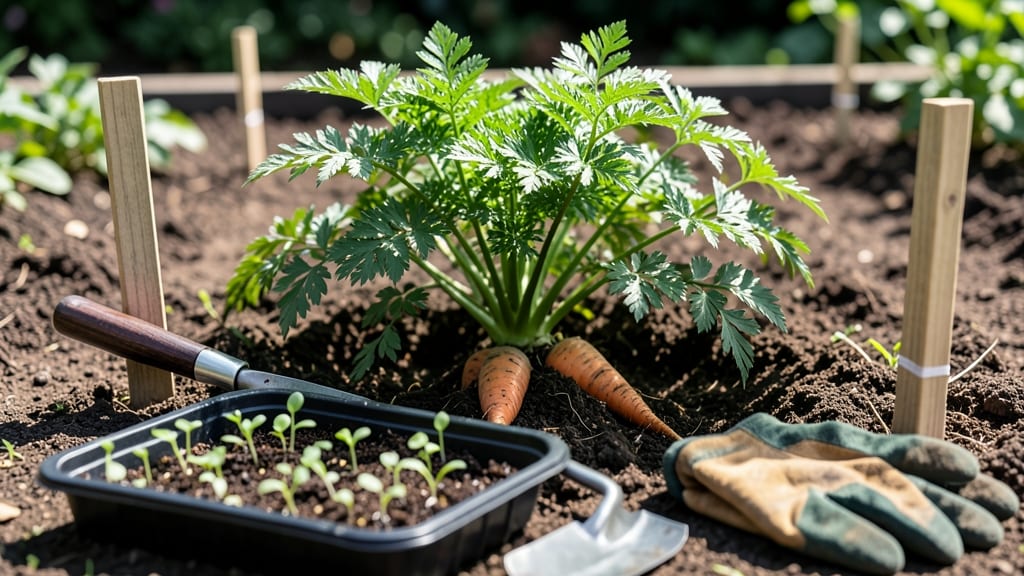
Planting your 🥕 carrots at the wrong time in Zone 6 can turn your dream harvest into bitter, leafy stalks instead of the sweet roots you crave. The key to success? Timing—specifically, soil temperatures between 45°F and 85°F—and knowing when to avoid the heat that triggers bolting.
In Zone 6 (6a-6b), your best bets are early spring or late summer, but there’s a catch: rushing too soon or waiting too long can backfire. I’ll break down the exact windows—March-April for spring and July-August for fall—and how to stretch your season without sacrificing flavor or texture.
You might think "just plant them early," but inconsistent soil temps or drought stress can send your carrots bolting before they even form. That’s why I’m sharing my go-to tricks for preventing this common mistake, from mulching to succession planting, so you can enjoy a steady harvest all season long.
Ready to grow carrots that are crisp, sweet, and free from bolting? Let’s dive into the exact schedule and soil secrets that’ll make your Zone 6 garden a carrot lover’s paradise.

Zone 6 carrot planting schedule: soil temperature tricks to prevent bolting
In Zone 6, timing is everything when growing carrots. Plant too early, and cold soil triggers slow germination. Plant too late in spring, and heat stress causes bolting—turning your sweet roots into bitter, leafy stalks.
The key is soil temperature: aim for 45-85°F to balance growth and prevent stress.
Your last frost date in Zone 6 is around April 15, but don’t rush! Carrot seeds need soil temps of 60°F+ to sprout reliably. Use a soil thermometer to check—if it’s below 50°F, wait.
For fall planting, shoot for July-August to harvest before the first frost on October 15.
Here’s the comparison-table breaking down your best planting windows, soil needs, and how to extend the season without bolting:
| Planting Window | Soil Temp | Days to Harvest | Season Extension Tip |
|---|---|---|---|
| Early Spring (March-April) | 45-65°F | 70-85 days | Row covers for warmth |
| Late Summer (July-August) | 65-85°F | 60-70 days | Shade cloth for heat protection |
| Fall (September) | 50-70°F | 65-75 days | Mulch to insulate soil |
For spring planting, start seeds indoors 4-6 weeks before your last frost (around March 1 in Zone 6). Harden them off before transplanting, or sow directly when soil reaches 60°F. Use fast-maturing varieties like ‘Early Nantes’ (60 days) to beat bolting.
In late summer, focus on short-day varieties like ‘Paris Market’ (50 days) to avoid heat stress. Sow seeds in partial shade if temps exceed 80°F for more than 3 days. Water deeply in the morning to keep soil cool and even.
Pro tip: Succession plant every 2 weeks in spring and 3 weeks in fall. This ensures a steady harvest and reduces the risk of bolting from overcrowding. For example, plant one batch on March 15, another on April 1, and a final one on July 15.
If your soil stays too cold in spring, try black plastic mulch to warm it faster. In fall, use straw mulch to slow cooling. Both tricks help maintain the ideal 45-85°F range for carrot growth.
Watch for bolting signs: tall, skinny leaves and flowers. If you see this, harvest immediately or pull the plants—the roots will be tough and woody. The goal is to keep your carrots cool, consistent, and crowded-free.
With these soil temperature tricks, you’ll grow sweet, crisp carrots all season long—no bitter surprises! 🥕
Zone 6 carrot planting schedule: soil temperature tricks to prevent bolting
Timing your carrot planting in Zone 6 is all about avoiding soil temperatures that trigger bolting. The sweet spot? Between 45°F and 85°F—too hot or cold, and your plants will send up flowers instead of growing roots.
For me, that means two key windows: early spring (March-April) and late summer (July-August).
In Zone 6a-6b, your last frost typically hits around April 15, so I start seeds indoors or use row covers to protect tender seedlings. The goal? Get them in the ground when soil temps are steady at 50°F or warmer.
Waiting too long risks heat stress, while planting too early can lead to stunted growth or rot.
| Planting Window | Soil Temp Range | Key Trick | Harvest Window |
|---|---|---|---|
| Early Spring (March-April) | 45°F–65°F | Use row covers to warm soil faster | June–July |
| Late Summer (July-August) | 70°F–85°F | Mulch heavily to retain moisture | October–November |
For spring planting, I swear by black plastic mulch to raise soil temps quickly. In my garden, this lets me plant 2–3 weeks earlier than I could without it.
Just remove the mulch once seedlings emerge to prevent overheating. For fall planting, I focus on shade cloth during heatwaves to keep soil temps below 85°F.
Don’t forget succession planting! In Zone 6, you can squeeze in 3–4 harvests by sowing seeds every 2–3 weeks during your ideal windows. This ensures a steady supply of fresh carrots instead of one big harvest.
I’ve even tried interplanting with radishes—radishes mature faster and mark where to thin carrots.
If you’re planting in late summer, aim for July 15–August 1 to give roots time to mature before the first frost (usually October 15). Use cold-hardy varieties like ‘Danvers Half Long’ for fall, as they tolerate cooler soils better than heat-loving types.
Pro tip: Test your soil temperature with a soil thermometer before planting. If it’s below 45°F, wait—your carrots will rot. If it’s above 85°F, provide afternoon shade. These small adjustments make all the difference in avoiding bolting and growing perfectly sweet carrots all season. 🥕