
Plants
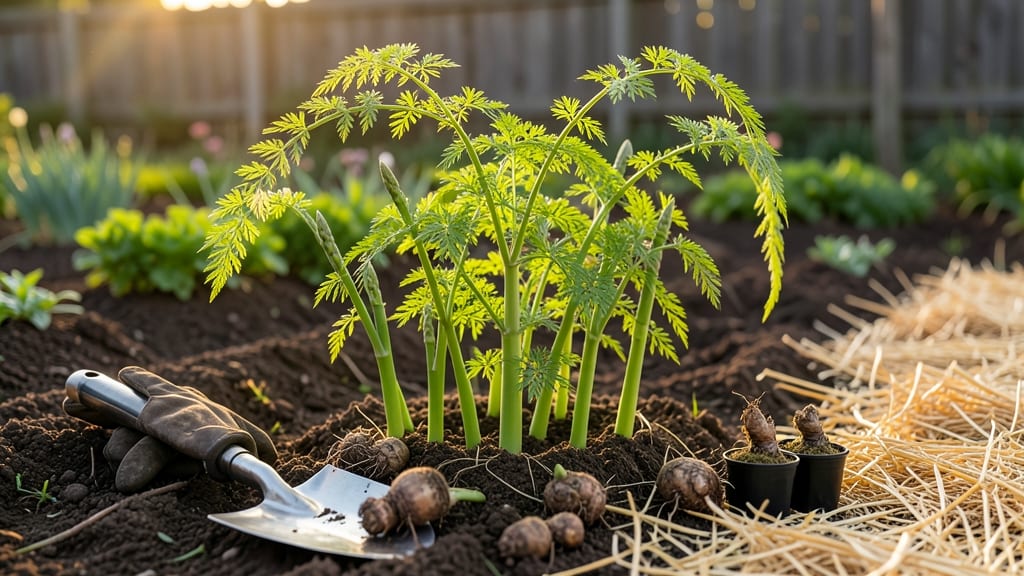
Planting asparagus in Michigan isn’t just about timing—it’s about unlocking a decades-long harvest that starts with the right early spring move. The key lies in those crisp March to April weeks when soil warms just enough for roots to take hold before summer’s heat arrives.
If you’ve ever wondered why some gardeners get spears in their second year while others wait three, the answer starts with soil temperature and frost dates.
Michigan’s 5b-6b zones demand precision: plant too early, and cold snaps stall growth; too late, and you miss the narrow window for strong root establishment.
I’ll walk you through the exact steps—from preparing trenches to choosing crowns—that Michigan gardeners swear by. Whether you’re in the Upper Peninsula or the Lower, these methods ensure your asparagus 🌱 thrives despite our unpredictable springs.
Skip the guesswork and learn how to time your planting for a reliable harvest starting in June. Let’s set you up for success from day one.
Michigan asparagus planting timeline: best months and climate zones
Michigan’s cool climate and variable frost dates make timing critical for asparagus success. Planting too early risks frost damage, while waiting too long delays root establishment. The optimal window is early spring when soil temperatures reach 50°F (10°C)—typically late March to mid-April in most of Michigan.
For crown planting (the most common method), aim to get asparagus in the ground 2-3 weeks before your last frost date. In USDA Zones 5b-6b (covering most of Michigan), this usually means March 15 to April 15.
The Upper Peninsula may need to wait until late April due to colder springs.
Asparagus crowns can also be planted in fall (September-October), but this requires well-draining soil and protection from winter heaving. Fall planting is riskier in Michigan’s freeze-thaw cycles but can work in warmer southern regions like Zone 6b.
Seed-starting asparagus is not recommended for Michigan gardeners due to the long germination time (2-3 years) before harvest. Instead, focus on 1-year-old crowns from reputable nurseries. These are pre-rooted and establish faster in Michigan’s short season.
| Planting Method | Best Months | Soil Temp | Key Consideration |
|---|---|---|---|
| Crowns (Spring) | Late March–Mid-April | 50–60°F (10–15°C) | Plant before buds swell; avoid frost |
| Crowns (Fall) | September–October | 45–55°F (7–13°C) | Risk of winter heaving; best for Zone 6b |
| Seeds | Not recommended | N/A | 2–3 year wait for harvest; impractical |
| Transplants | May (if missed spring) | 55°F+ (13°C+) | Lower success rate; harvest delayed |
🌱 Note: Always check your local last frost date—Michigan’s varies by 10–14 days between regions.
Michigan’s two distinct regions—the Upper Peninsula and Lower Peninsula—have slightly different planting windows. The Upper Peninsula (Zone 5a-5b) should wait until mid-to-late April due to later springs, while the Lower Peninsula (Zone 5b-6b) can start as early as late March in southern counties.
To check your exact last frost date, use the Michigan State University Extension frost map or local cooperative weather stations. Planting too early risks crown rot, while planting too late delays the 3-year harvest window asparagus requires to establish.
For gardeners in Zone 6b (southern Michigan), you can push the envelope with fall planting (September) if your soil drains well. Add 3–4 inches of mulch after planting to insulate roots during winter. In colder Zone 5a/b areas, stick to spring planting for reliability.
Pro tip: Use a soil thermometer to confirm 50°F (10°C) soil temps before planting. Asparagus roots need this warmth to activate growth—planting in colder soil can stunt root development for years. If temps are too cool, wait 1–2 weeks for better establishment.
Remember, asparagus is a perennial investment. With proper timing, your patch can produce harvests for 15–20 years—making Michigan’s early spring planting one of the most rewarding gardening decisions you’ll make. 🌱
Step-by-step asparagus planting guide for Michigan gardens
Once you’ve nailed down the timing, the real work begins with preparing your asparagus patch for Michigan’s unpredictable springs. Start by choosing a sun-drenched location—asparagus demands at least 6-8 hours of sunlight daily—and avoid spots where water pools after rain.
My go-to spot is near the south-facing fence where the soil warms fastest.
Before planting, loosen the soil to a depth of 12-18 inches—this helps roots spread easily. Mix in compost or well-rotted manure to boost fertility, but skip fresh manure, which can burn tender roots.
Aim for a slightly acidic to neutral pH (6.5-7.5)—Michigan’s clay-heavy soils often need lime to hit this target.
🌱 Step-by-Step Planting Process
- 📏 Dig trenches 12 inches deep, spacing them 18 inches apart for rows.
- 🪴 Soak crowns in water for 2-3 hours before planting to encourage root growth.
- 🌱 Place crowns in trenches with roots 6-8 inches deep, spacing them 12-18 inches apart.
- 💧 Fill trenches with loose soil, leaving 2 inches above ground level.
- 🌿 Water deeply to settle soil and remove row covers if using.
Pro tip: Plant crowns 2 inches deeper than recommended in colder Michigan zones (like the Upper Peninsula) to protect them from late frosts. Use straw mulch 4-6 inches thick after planting to retain moisture and suppress weeds—this is especially critical during Michigan’s dry springs.
After planting, water deeply every 5-7 days until new shoots appear. Avoid overhead watering, which can spread fungal diseases like rust, a common issue in Michigan’s humid summers. Once spears emerge, keep the bed weed-free—asparagus is a perennial, and competition from weeds will slow your harvest for years.
In your first growing season, resist the urge to harvest spears—let the plant focus on building roots. By year three, you’ll see 1-2 foot spears ready for your table, and with proper care, your patch will produce for 15-20 years. Patience pays off, especially in Michigan’s fickle climate!