
Plants
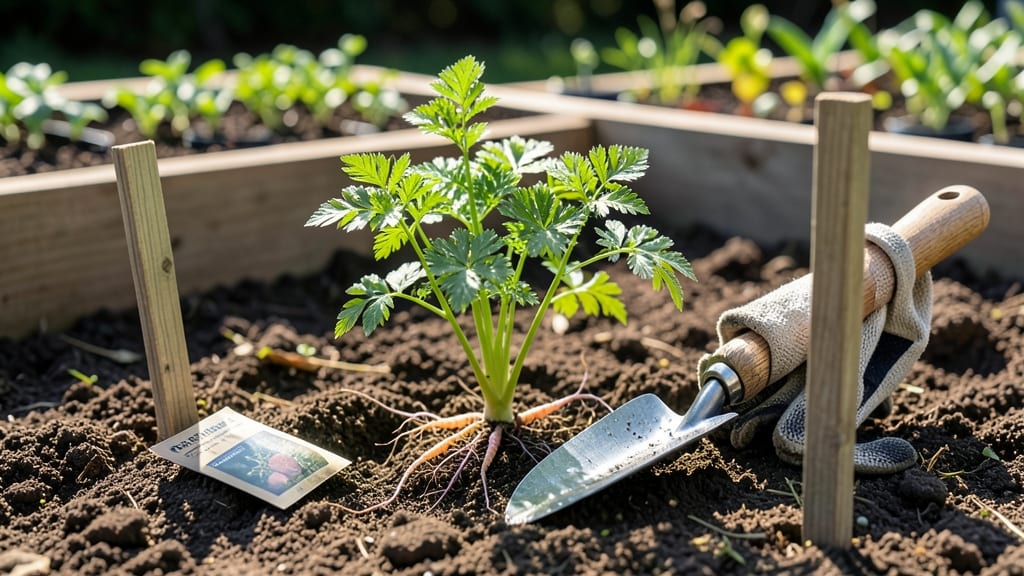
Planting carrots in Georgia isn’t just about dropping seeds into soil—it’s about mastering the frost-free window and soil conditions that turn your garden into a 🥕 powerhouse. Skimp on timing, and you’ll either face frost damage or end up with tough, bitter roots by summer.
In zones 7b-8b, the sweet spot for planting is February-March and again in August-September, when temperatures cooperate and the ground stays loose enough to prevent forked roots. But here’s the catch: Georgia’s clay-heavy soil needs extra prep to give those roots room to grow straight and sweet.
I’ve tested the best methods—from soil amendments to staggered plantings—to help you avoid common pitfalls like bolting in heat or rotting from too much rain.
Whether you’re a first-time gardener or a seasoned pro, these tips will ensure your carrots stay crisp, flavorful, and ready to harvest by May-June and October-November.
Let’s dive into the exact steps to time your plantings, prep your soil, and keep your carrots thriving all season long—no guesswork required.
Georgia’s best planting windows for carrots: frost dates & seasonal tips
Georgia’s USDA hardiness zones 7a-8b give gardeners a long frost-free window—perfect for growing sweet, crisp carrots. The key is planting at the right time to avoid late frosts in spring or sweltering summer heat, both of which can ruin your crop.
In most of Georgia, you’ll have two ideal planting windows: early spring and late summer.
For spring plantings, aim to sow seeds 4-6 weeks before your last frost date. In North Georgia (zones 7a-7b), this typically means mid-February to early March.
In South Georgia (zones 8a-8b), you can start as early as January, but avoid planting too soon—frost can still sneak in during February’s late nights.
Here’s the frost-free timeline you need to know: Georgia’s average last frost date ranges from March 15 (North) to March 1 (South). After that, your carrots will have 100-120 days to mature before summer heat sets in.
If you plant too late, your carrots may bolt (go to seed) or turn woody.
For fall plantings, focus on August to early September. This gives your carrots time to grow before first frost, which usually hits November 15 in North Georgia and mid-November in South Georgia.
Fall carrots often taste sweeter and more flavorful because cooler temps slow their growth, concentrating sugars.
Pro Tip: Use the Georgia Climate Project’s frost maps (available via the UGA Extension) to pinpoint exact dates for your county. Even a 10-degree swing can mean the difference between a thriving crop and a failed one!
| Planting Window | USDA Zones | Frost Risk | Harvest Window | Notes |
|---|---|---|---|---|
| Mid-February to Early March | 7a-7b (North GA) | Low (last frost: March 15) | May-June | Ideal for spring harvest |
| January-February | 8a-8b (South GA) | Very Low (last frost: March 1) | April-May | Earlier harvest possible |
| August-September | 7a-8b (All GA) | Low (first frost: Nov 15) | October-November | Sweeter fall flavor |
If you’re in North Georgia, consider staggering plantings every 2-3 weeks from February to April. This ensures a continuous harvest before summer heat arrives.
For example, plant one batch in late February, another in mid-March, and a final batch in early April—this way, you’ll have carrots ready to pull in May, June, and July.
For South Georgia gardeners, you’ve got a longer window to play with. You can even try an early fall planting in July if you’re using shade cloth to protect seedlings from intense heat. Just be sure to water deeply and mulch heavily to keep the soil cool.
One common mistake Georgia gardeners make is planting carrots too close to summer. Once temperatures rise above 80°F (27°C), carrots start to bolt (flower prematurely) or develop woody, bitter roots.
To avoid this, choose heat-tolerant varieties like ‘Danvers Half Long’ or ‘Nantes’, and always plant in partial shade during peak heat.
For container gardening, the timing is similar, but you’ll need to start seeds indoors 6-8 weeks before transplanting. This works well for balcony gardens in Atlanta or Savannah, where space is limited. Just use well-draining potting mix and 5-gallon containers to give roots room to grow.
Finally, don’t forget to check your soil temperature before planting. Carrot seeds need soil temps of at least 50°F (10°C) to germinate. In Georgia, this usually aligns with late February to early March, but South Georgia may see germination as early as January.
Soil preparation hacks for Georgia’s clay-heavy soil: loosening & fertilizing
Georgia’s famous red clay soil is rich in nutrients but notorious for compacting around carrot roots, leading to forked or stunted produce. The key? Loosening the soil before planting to give those roots room to grow straight and sweet.
Start by testing your soil’s pH—carrots thrive in 6.0-6.8 range—and amend it with compost or aged manure to improve drainage and fertility.
I recommend mixing in 2-3 inches of compost into the top 12 inches of soil at least 2 weeks before planting. This breaks up clay clumps and adds organic matter that carrots love.
For extra insurance, add a handful of sand or perlite to further loosen the texture—just avoid overdoing it, as too much sand can wash away nutrients.
🌱 Soil Prep Checklist for Georgia Carrots
- ☑️ Test soil pH (aim for 6.0-6.8)
- ☑️ Mix in 2-3 inches of compost
- ☑️ Loosen soil with a broadfork or tiller
- ☑️ Remove rocks and debris
- ☑️ Add sand/perlite if soil is too dense
Fertilizing is another critical step—carrots need low-nitrogen food to encourage root growth over leafy tops. Use a balanced fertilizer like 5-10-10 at planting time, then side-dress with compost tea every 4-6 weeks during the growing season.
Avoid over-fertilizing, as too much nitrogen will make your carrots bushy and bitter instead of sweet and crisp.
For extra protection against forking (a common issue in Georgia’s clay), try companion planting with radishes or lettuce. These plants loosen the soil naturally as they grow and mark rows for you. Just be sure to harvest the radishes early to avoid competition for space.
Finally, mulch your carrot beds with straw or grass clippings to retain moisture and prevent soil crusting, which can smother young seedlings. This is especially important in Georgia’s hot summers, where soil can dry out quickly and leave your carrots struggling to emerge.
With these soil prep hacks, your carrots will have the perfect foundation to grow straight, sweet, and ready for harvest by May-June and October-November. The secret? Loose soil, balanced nutrients, and consistent moisture—no shortcuts needed! 🥕