
Plants
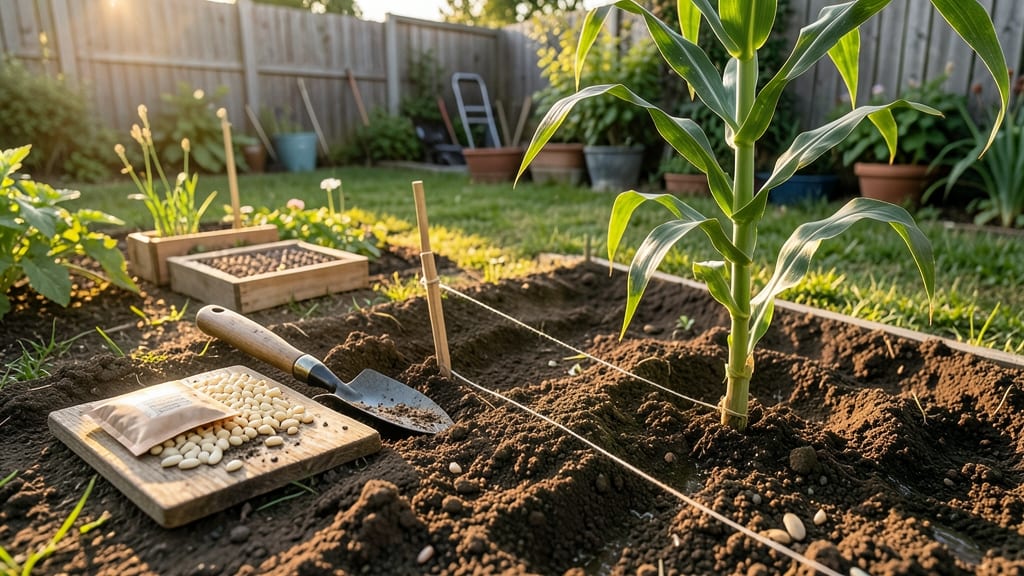
Planting corn in Indiana at the wrong time can mean the difference between a bumper crop and a total loss—especially when last frost dates shift yearly and soil temperatures play hard to get.
With USDA Zones 5b-6b offering just a 165-day growing window, timing your 🌽 seeds correctly is the key to avoiding frost damage while maximizing yield.
Most Indiana gardeners swear by the mid-April to early June window, but that’s not always the full story. Soil temperature matters just as much as calendar dates—waiting until the ground warms to at least 60°F ensures strong germination, even if that means delaying planting into May.
The real challenge? Adjusting for Indiana’s unpredictable spring weather, where a late frost can wipe out weeks of work.
In this guide, I’ll break down the exact frost-free timelines for Zones 5-6, share Purdue Extension’s soil temperature rules, and reveal how to salvage late plantings with the right corn varieties.
Whether you’re a first-time gardener or a seasoned grower, these insights will help you plant with confidence—and avoid the heartbreak of watching your corn wither before it even gets a chance to thrive.
Ready to master Indiana’s corn-planting secrets? Let’s dive into the 3 critical factors that separate successful harvests from disappointing ones—and how to adapt when Mother Nature throws you a curveball.
Indiana corn planting dates by USDA Zone 5-6: exact frost-free timeline
Indiana’s USDA Zones 5b-6b create a tight window for planting corn (Zea mays), where even a week’s delay can mean the difference between bumper crops and stunted plants.
According to Purdue Extension data, the last spring frost typically occurs between April 15-30, but soil conditions often lag behind air temperatures. This means you can’t just wait for frost-free skies—you need to track soil warmth and moisture levels too.
For Zone 5b gardeners, the ideal planting window stretches from April 15 to May 15, while Zone 6b growers can push slightly later, targeting May 1-15. These dates align with when soil temperatures consistently reach 50°F (10°C) at 2-inch depth, a critical threshold for corn germination.
Planting too early risks frost damage to young seedlings, while late starts may not yield mature ears before first frost in October.
Here’s the key rule: Wait until the 30-day forecast shows a 50% or lower chance of frost and your soil thermometer reads 60°F (15°C) or warmer at planting depth. This two-pronged approach—weather probability + soil temperature—minimizes risk in Indiana’s famously variable springs.
🌱
🌽 Indiana Corn Planting Timeline by USDA Zone
| Zone & Task | Ideal Window | Soil Temp Threshold | Purdue Extension Tip |
|---|---|---|---|
| Zone 5b - Planting | April 15–May 15 | 50–60°F (10–15°C) at 2" | Use black plastic mulch to warm soil 2–3°F faster |
| Zone 6b - Planting | May 1–15 | 55–65°F (13–18°C) at 2" | Monitor 7-day forecasts for late frosts |
| Both Zones - Late Backup | June 1–15 (early varieties only) | 60°F+ (15°C+) | Choose 70-day varieties like 'Golden Bantam' |
| Critical Deadline | July 1 (for 110-day corn) | N/A | Planting after this risks immature harvest before frost |
Source: Purdue University Agronomy Extension | Data: 30-year avg. frost dates (1991–2020)
If you’re in northern Indiana (Zone 5b), consider a two-week head start using row covers or greenhouse trays to jumpstart germination. These methods can shave 7–10 days off your planting timeline, giving seedlings a size advantage before transplanting.
For southern Indiana (Zone 6b), focus on succession planting: stagger seeds every 2 weeks through May 15 to extend your harvest window.
Pro tip: Test your soil temperature at 8 AM and 4 PM for 3 days—if it’s consistently 55°F+ (13°C+) by afternoon, your seeds are ready. Use a soil thermometer (available for $10–$15 at garden centers) to avoid guessing.
Corn seeds need warm, stable soil; cold, wet conditions lead to rot and poor germination.
For urban gardeners or those with microclimates (like south-facing plots), you might plant 1–2 weeks earlier than the zone average. Conversely, low-lying areas with poor drainage should delay until May 1 to avoid waterlogged soil.
Always check local frost maps from the National Weather Service or Purdue Ag Climate for real-time adjustments.
One common mistake? Planting based on calendar dates alone. In 2021, northern Indiana saw late-May frosts that caught out gardeners who planted in early April. Use the “50% probability rule”: Wait until the National Weather Service gives a ≤50% chance of frost in the next 30 days.
This data-driven approach saves time and seeds.
Finally, adjust your variety based on planting date. Early April sowings should use 110–120 day varieties (e.g., 'Silver Queen'), while June plantings need 70–80 day types (e.g., 'Early Sunglow'). Mixing varieties lets you harvest continuously from July through September.
☀️
How to time corn planting for Indiana’s variable weather: 3 critical factors
Indiana’s spring weather can be as unpredictable as a whirlwind, making corn planting a high-stakes gamble if you don’t plan ahead. The key to success? Mastering soil temperature, 30-day forecasts, and the 50% probability rule—three factors that separate thriving crops from frost-bitten failures.
Most gardeners rely on calendar dates, but soil temperature is the real game-changer. Corn seeds need 50°F+ soil to germinate reliably, and waiting for 60°F+ ensures faster, stronger growth. In colder years, this could mean delaying planting into late May—but the yield boost makes it worth the wait.
Here’s the secret weapon: a 2-week soil warming strategy. Use black plastic mulch or row covers to raise soil temps by 5-10°F in just days. This trick lets you plant 10-14 days earlier than bare-ground gardeners, giving your corn a critical head start against Indiana’s short growing season.
- 🌡️ Soil Temp Rule: Plant only when soil hits 50°F+ (10°C) at 2" depth. Use a soil thermometer—don’t guess!
- ☁️ 30-Day Forecast: Check NOAA’s probability of frost for your county. Aim for ≤10% frost risk before planting.
- ⏳ 50% Probability Rule: Plant when the historical frost-free date has passed with 50% certainty (Purdue’s data shows Zone 5b: May 1; Zone 6b: May 10).
Don’t let late starts stress you out—Indiana’s quick-maturing varieties can save the day. If you miss the ideal window, opt for 70-80 day varieties like ‘Silver Queen’ or ‘Peaches and Cream.’
These can mature in as little as 85 days, giving you a harvest even with a June planting.
Pro tip: For succession planting, stagger seeds every 2 weeks through June. This ensures a continuous harvest and maximizes your garden’s potential, even if Mother Nature throws curveballs. Just remember—late plantings need extra care, including daily watering and fertile soil to compensate for the shorter growing window.
When in doubt, watch the tassels. If your corn’s male flowers (tassels) appear before the female ears are fully formed, you’ve likely planted too late. But with these strategies, you’ll beat the odds and enjoy sweet, homegrown corn—no matter what Indiana’s spring throws at you. 🌽