
Plants
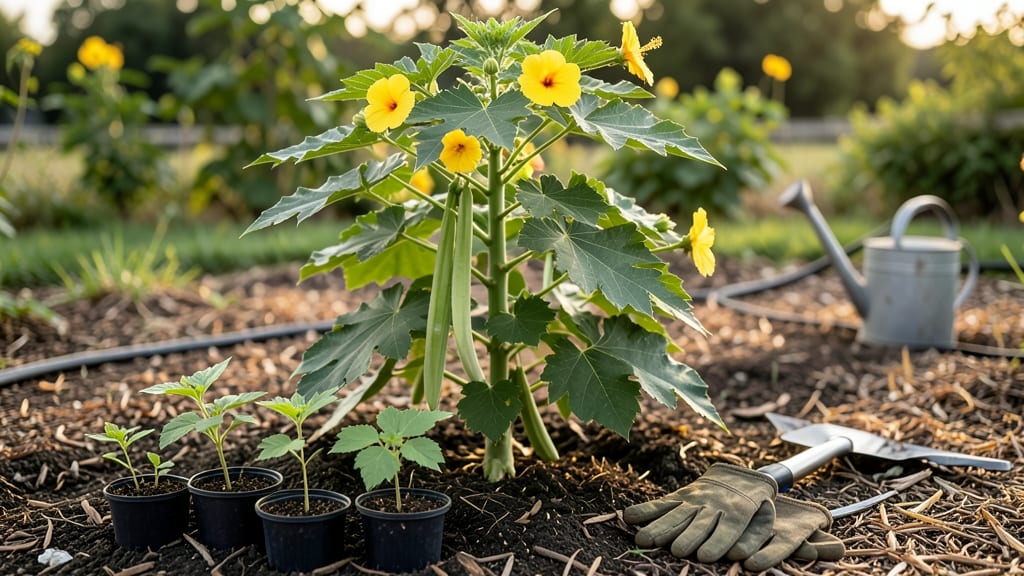
Planting okra in Oklahoma isn't just about waiting for spring—it's about timing the heat just right to avoid those cruel late frosts that can wipe out your crop before it even starts.
With USDA zones 6a-7b and unpredictable weather patterns, getting the perfect planting window means the difference between a bumper harvest and a sad, bolted plant.
I've learned the hard way that okra 🌱 thrives when the soil hits at least 60°F, which typically lands between mid-April and early June in most of the state. But here's the catch: those last frost dates can shift dramatically from year to year, especially in northern Oklahoma.
That's why I'll walk you through exactly when to plant—whether you're direct sowing seeds or transplanting young plants—for maximum success.
What you'll discover is that Oklahoma's microclimates mean planting dates can vary by weeks depending on whether you're in Oklahoma City, Tulsa, or the panhandle. We'll cover the best varieties for your zone, how to protect young plants from unexpected chills, and even strategies for extending your harvest into fall.
Ready to grow okra that actually produces? Let's dive into the heat-zone planting schedule that'll have you enjoying fresh pods from July right through October—no guesswork required.
Oklahoma okra planting dates by USDA hardiness zones (7a-7b)
Timing your okra planting in Oklahoma’s USDA Zones 7a-7b depends on soil temperatures and frost-free windows. Most gardeners wait until mid-April to early June when daytime temps consistently stay above 60°F.
In northern Oklahoma (Zone 7a), like Enid or Woodward, plant 2-3 weeks later than southern regions like Tulsa or Lawton.
Okra thrives in heat and humidity, so avoid planting too early—cold soil slows germination. Use a soil thermometer to confirm 60°F+ soil temps before sowing. In Oklahoma City (Zone 7b), the average last frost date is March 15, but wait until April 15 for safe planting.
For direct sowing outdoors, Oklahoma gardeners typically plant after Memorial Day (mid-May) to avoid late frosts. If you’re transplanting seedlings, start them indoors 4-6 weeks before the last frost date, then harden off plants for 7-10 days before moving them outside.
| Zone & Location | Last Frost Date | Direct Sowing Window | Transplant Window |
|---|---|---|---|
| Zone 7a (Northern OK: Enid, Woodward) | March 20 - April 5 | May 15 - June 1 | April 20 - May 10 |
| Zone 7b (Central OK: Oklahoma City, Stillwater) | March 15 - March 30 | April 15 - May 10 | April 1 - April 15 |
| Zone 7b (Southern OK: Tulsa, Lawton) | March 1 - March 15 | April 1 - April 20 | March 15 - April 1 |
🌱 Note: Adjust dates 1-2 weeks later for high-altitude areas (e.g., Altus or Claremore).
Okra loves warm nights, so aim for planting when nighttime temps stay above 55°F. In Tulsa’s humid microclimate, you can sometimes plant 2 weeks earlier than Oklahoma City due to faster soil warming.
Monitor local weather forecasts for heatwaves, which can accelerate growth and reduce bolting risk.
If you’re in Zone 7a, consider starter plants from local nurseries to jumpstart your season. Seedlings can tolerate cooler soil better than direct-sown seeds. For extended harvests, make a second planting in late June—just ensure 100+ days remain before the first frost.
Okra’s heat tolerance makes it ideal for Oklahoma’s summers, but early planting risks stunted growth or no pods. Wait until soil is warm and frost risk is zero—your plants will reward you with bountiful harvests from July to October.
Pro tip: Use black plastic mulch to raise soil temps by 5-10°F, allowing earlier plantings in Zone 7a. This trick works especially well for container gardening in urban areas like Norman or Edmond.
Remember, okra hates cold, so never plant before soil reaches 60°F. Even a light frost can kill seedlings, so row covers are your best friend in April’s unpredictable weather.
How to time okra planting for Oklahoma’s unpredictable weather patterns
Oklahoma’s unpredictable spring weather can turn okra planting into a high-risk gamble—one late frost and your seedlings could be history. The key is monitoring soil temps and using protective strategies to shield young plants.
I’ve learned that soil thermometers are non-negotiable; okra seeds need 60°F+ soil to germinate properly, and anything below that risks poor growth or bolting.
Even after the official last frost date, Oklahoma’s microclimates can throw curveballs. For example, Tulsa’s humidity might warm soil faster than Oklahoma City’s drier air, creating a 2-week window difference in safe planting.
Always check local weather alerts for frost advisories—even in May, a light freeze can devastate young okra.
Here’s my 5-day rule for transplant shock prevention: If you’re moving seedlings outdoors, harden them off for 7-10 days first, then wait 5 more days before planting. This buffer accounts for Oklahoma’s sudden temp drops, especially in Zone 7a.
Use row covers or frost blankets for the first 2 weeks to give plants time to establish roots.
For direct sowing, Oklahoma gardeners often wait until Memorial Day (mid-May) to avoid late frosts. But if you’re transplanting, start seeds indoors 4-6 weeks before your last frost date.
Use biodegradable pots to reduce transplant shock, and water deeply the day before moving plants outside to minimize stress.
Black plastic mulch is my secret weapon for Zone 7a gardeners. It raises soil temps by 5-10°F, allowing earlier plantings. Just lay it down 2 weeks before sowing to warm the soil naturally.
Pair this with drip irrigation to keep moisture consistent—okra hates drought stress, especially in Oklahoma’s summer heat.
If you’re in southern Oklahoma (Zone 7b), you can sometimes plant 2 weeks earlier than central regions. But always verify soil temps—even Tulsa’s humidity won’t save you if the ground is still too cold.
For extended harvests, make a second planting in late June, ensuring 100+ frost-free days remain.
Pro tip: Use shade cloth during heatwaves (95°F+) to protect young plants from sunburn. Okra thrives in heat, but sudden spikes can stress seedlings. Mulch around plants to retain moisture and regulate soil temps—this is especially critical in drought-prone areas like the panhandle.