
Plants
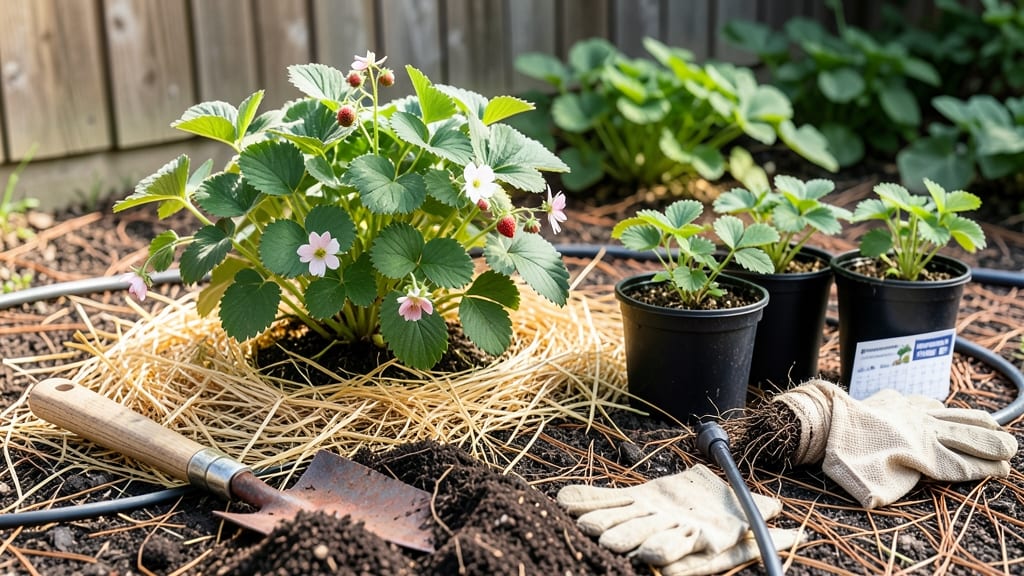
Planting strawberries in Zone 8 at the wrong time means missing out on that first sweet harvest of the year—and nobody wants to wait longer than necessary for juicy 🍓 berries.
The secret to a thriving strawberry patch lies in timing: aim to plant 6-8 weeks before your last frost date, typically between late February and early March for spring or September to October for fall.
This window gives roots time to establish before summer heat arrives, setting you up for stronger plants and bigger yields.
But here's the catch: Zone 8's mild winters mean you can also plant in fall, giving your strawberries a head start on spring growth.
Whether you choose spring or fall planting, we'll break down exactly how to prepare your soil, select the right varieties, and avoid common pitfalls that can derail your harvest.
Let's dive into the exact weeks and steps that will have your strawberry plants thriving—and your table loaded with homegrown fruit—before you know it.

Optimal planting windows in Zone 8 for maximum strawberry root development
Strawberries in Zone 8 need precise timing to establish strong roots before summer heat arrives. The ideal window depends on your specific subzone (8a, 8b, or 8c) and last frost date.
Planting too early risks frost damage, while late planting delays fruit production. Let’s break down the exact weeks and soil conditions for success.
For Zone 8a (colder end), aim for 6-8 weeks before last frost, typically late February to early March. In Zone 8b/c (warmer regions), extend this to March-April or even fall planting (September-October) for winter dormancy.
Always verify your last frost date using local weather data—this is your planting anchor.
Soil temperature is critical: strawberry roots thrive when soil reaches 40-50°F (4-10°C). Use a soil thermometer to confirm readiness. Cold soil slows root establishment, while warm soil (above 70°F/21°C) can stress plants. In Zone 8, this often aligns with March-April for spring planting.
Fall planting is a smart strategy in Zone 8’s milder winters. Plant 6-8 weeks before first frost (usually mid-September to early October). This gives roots time to establish before winter dormancy. Fall-planted strawberries often produce fruit earlier the following spring.
Your exact planting date depends on local frost data. Check the USDA Plant Hardiness Zone Map and supplement with Almanac frost predictions. For example, if your last frost is March 15, plant January 20-February 5 for spring. Adjust ±2 weeks based on microclimates (e.g., valleys vs. slopes).
Here’s a quick reference for Zone 8a/b/c planting windows:
| Zone Type | Best Planting Window | Soil Temp Requirement | Weeks Before Frost |
|---|---|---|---|
| Zone 8a | Late Feb - Early Mar | 40-50°F (4-10°C) | 6-8 |
| Zone 8b | Mid-Mar - Early Apr | 45-55°F (7-13°C) | 5-7 |
| Zone 8c | Late Mar - Early Apr OR Sep-Oct | 50-60°F (10-15°C) | 4-6 (spring) / 6-8 (fall) |
Calculate your exact planting date by subtracting 6-8 weeks from your last frost date. For example, if frost occurs March 10, plant January 20-February 5.
Use this formula: Last Frost Date - 6 Weeks = Planting Start. Adjust for fall planting by using your first frost date instead.
Varieties like Chandler or Seascape thrive in Zone 8’s heat but need strong roots. Plant bare-root plants in cooler months to reduce transplant shock. For potted strawberries, extend the window slightly—plant when soil warms to 50°F (10°C), typically April in Zone 8b/c.
Pro tip: Hardening off nursery plants for 7-10 days before transplanting improves survival rates. Acclimate them to outdoor conditions gradually to prevent stress. Pair this with mulching (straw or pine needles) to retain moisture and regulate soil temperature.
Remember, Zone 8’s long growing season allows flexibility. If you miss the spring window, fall planting is a great backup. Just ensure roots establish before winter dormancy begins. With the right timing, your strawberries will reward you with sweet, abundant fruit all season long. 🍓
Optimal planting windows in Zone 8 for maximum strawberry root development
In Zone 8, your last frost date typically falls between February 15 and March 15, depending on your exact microclimate. For spring planting, aim to get your strawberries in the ground 6-8 weeks before that date—usually mid-January to early February.
This timing ensures roots establish before summer heat arrives, preventing stress that can reduce fruit production.
Fall planting offers another prime window for Zone 8 gardeners. Plant September through October to give roots time to settle before winter dormancy. This approach often yields earlier harvests the following spring, as plants get a head start on growth.
However, avoid planting too late in fall—November or later risks exposing young plants to unexpected cold snaps.
Your exact planting date depends on your USDA Zone 8 subtype. Zone 8a (colder) gardeners should plant late February to early March for spring, while Zone 8c (warmer) can start as early as January 15.
For fall, Zone 8a should plant by mid-October, while Zone 8c can extend to early November.
| Planting Window | Zone 8a | Zone 8b | Zone 8c |
|---|---|---|---|
| Spring Planting (Before Last Frost) | Late Feb - Early Mar | Mid-Jan - Late Feb | Jan 15 - Feb 15 |
| Fall Planting (Before Dormancy) | Sep - Mid-Oct | Sep - Late Oct | Sep - Early Nov |
| Soil Temperature Requirement | 45-55°F | 45-55°F | 45-55°F |
To pinpoint your exact planting date, check your local frost history using resources like the National Weather Service or Almanac.com. Subtract 6-8 weeks from your last frost date to calculate your ideal window. For example, if your last frost is March 1, plant by January 15 for spring.
Soil temperature matters just as much as air temperature. Strawberries need soil that's at least 45°F for root growth to begin. Use a soil thermometer to monitor—planting in cold soil can shock roots and delay establishment.
In Zone 8, this usually aligns with late winter to early spring, but cooler microclimates may require waiting until soil warms.
Pro tip: If your soil is still too cold, consider container planting or using black plastic mulch to warm the soil faster. This is especially helpful in Zone 8a, where cooler nights can delay planting.
For fall plantings, aim to finish by 6 weeks before your first frost to allow roots to establish before winter.