
Vegetables
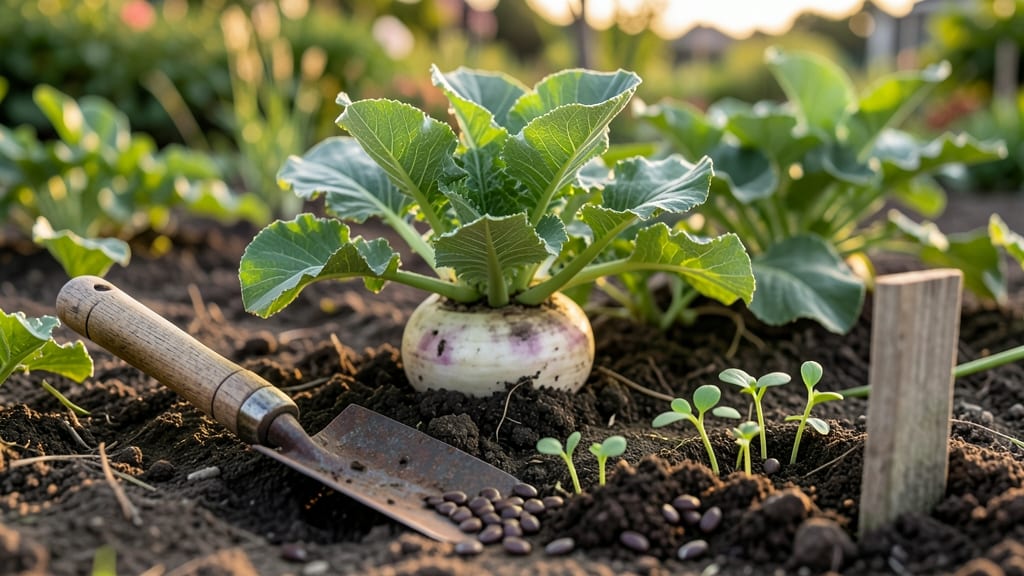
Planting turnips 🥕 in the fall isn't just about timing—it's about unlocking the secret to sweeter, crunchier roots that survive right through winter. The key lies in starting your seeds 8 to 12 weeks before your first frost, giving them just enough time to mature before the ground freezes.
This window transforms your garden into a cool-weather powerhouse, where turnips thrive in mild temperatures and even develop a sweeter flavor after a light frost.
I've learned the hard way that planting too early can leave you with bitter greens or woody roots, while waiting too long risks bolting before harvest. The good news? With the right approach, you can enjoy fresh turnips straight from your garden well into November—no greenhouse required.
Whether you're working with backyard beds or containers, the principles stay the same: cool soil, consistent moisture, and proper spacing.
What makes fall turnip planting so rewarding is how it works with nature. Cooler temperatures reduce pest pressure, and the shorter days actually help turnips focus their energy on root development rather than leafy growth.
Plus, harvesting before hard frost means you can enjoy your crop at its peak, or even store some for winter meals. Let me walk you through exactly how to calculate your planting window and avoid the most common mistakes that send turnips to waste.
From reading your local frost dates to preparing your soil just right, we'll cover everything you need to know to grow turnips that are crisp, sweet, and ready to harvest at the perfect moment. No guesswork—just reliable results that'll have you looking forward to fall planting every year.
Optimal fall planting windows for turnips by climate zone
Fall turnip planting is all about timing—get it right, and you’ll harvest crisp, sweet roots before winter sets in. The key is planting 8-12 weeks before your first frost date, giving turnips enough time to mature before cold weather arrives.
This window ensures roots develop properly while benefiting from cooler fall temperatures that sweeten their flavor.
Turnips thrive in USDA zones 3-10, but your exact planting schedule depends on your local climate. In colder northern zones (3-5), you can plant as early as late July to early August, while warmer southern zones (8-10) may wait until mid-September to early October.
The goal is to avoid planting too early (risking bolting) or too late (roots won’t mature before frost).
Here’s the golden rule: Aim for a harvest 4-6 weeks before hard frost. This timing balances root maturity with frost-sweetening—turnips taste even better after a light frost! For example, if your first frost hits October 15, plant seeds by early September for a mid-October harvest.
Now, let’s break it down by zone for precise timing:
| USDA Zone | Planting Window | Weeks Before Frost | Harvest Time | Notes |
|---|---|---|---|---|
| 3-5 (Cold) | Late July - Early August | 10-12 weeks | Late September - Early October | Use fast-maturing varieties like 'Purple Top White Globe'. |
| 6-7 (Temperate) | Mid-August - Early September | 8-10 weeks | Mid-October - November | Ideal for 'Tokyo Cross' or 'Hollow Crown'. |
| 8-10 (Warm) | Mid-September - Early October | 6-8 weeks | Late October - December | Choose heat-tolerant varieties like 'Shogoin'. |
In northern zones (3-5), where summers are short, prioritize fast-maturing varieties (30-40 days to harvest) to squeeze in a fall crop. For example, 'Purple Top White Globe' is a classic choice—its purple-tinged tops add color to salads, while the roots stay crisp and sweet.
For southern zones (8-10), you can push the envelope slightly. Planting in late September or early October works because milder winters allow roots to develop over a longer period.
Just avoid planting too close to frost, or your turnips may become woody or bitter. A light frost actually improves flavor, but hard freezes damage roots.
Pro tip: Check your soil temperature before planting. Turnips prefer 45-85°F soil, but ideal germination occurs at 60-70°F. In hot climates, wait until soil cools in late summer or early fall. Use a soil thermometer to confirm—it’s a game-changer for consistent germination.
Once planted, maintain consistent moisture and full sun (6+ hours daily). Thin seedlings to 2-3 inches apart to prevent crowding, which leads to small, misshapen roots. Mulch with straw to regulate soil temperature and retain moisture, especially as fall progresses.
Remember, turnips are cool-season crops, so they’ll thrive in fall’s mild weather. The cooler temperatures reduce pest pressure (like aphids) and encourage sweeter roots. With the right timing, you’ll enjoy a bountiful harvest just in time for holiday meals or winter storage!
How to calculate your local frost dates for perfect turnip timing
Calculating your exact frost dates is the secret to planting turnips at the perfect time in fall. Without this step, you risk planting too early (and dealing with bitter greens) or too late (and missing out on mature roots).
The good news? It’s easier than you think! Start by checking your average first frost date for your area—this is your planting deadline’s starting point.
Turnips need 45-60 days to mature from seed to harvest, so count backward from your frost date. For example, if frost typically hits October 15, aim to plant by mid-August to early September.
This ensures roots develop fully before cold sets in. Use the USDA Plant Hardiness Zone Map to find your zone, then cross-reference with local weather records for precise dates.
Here’s how to do it step-by-step—no guesswork required:
- Find your USDA zone (e.g., Zone 5).
- Look up your average first frost date (e.g., October 15).
- Subtract 45-60 days from your frost date to get your planting window.
- Adjust for soil temperature (ideal: 60-70°F).
- Plant 8-12 weeks before frost for best results.
Pro tip: Use a frost date calculator like the one from the National Oceanic and Atmospheric Administration (NOAA) for hyper-local accuracy. These tools factor in historical data and even account for microclimates (like urban heat islands or hilltop gardens).
For example, a valley might frost 2-3 weeks earlier than a nearby city.
Once you’ve nailed your frost date, consider soil temperature. Turnips germinate best in 60-70°F soil, but they’ll tolerate cooler temps down to 45°F. In hot climates, wait until late summer when soil cools naturally.
A soil thermometer ($10 at garden centers) is worth its weight in gold here—it tells you exactly when conditions are right.
Don’t forget to account for variety maturity. Fast-maturing types like 'Tokyo Cross' (30-40 days) give you more flexibility, while slower varieties like 'Purple Top White Globe' (50-60 days) need earlier starts.
Match your variety to your frost window—this is how you avoid the “too late” trap that leaves you with tiny, tough roots.
Finally, add a 2-week buffer for unpredictable weather. A late summer heatwave or early frost can throw off your timing, so planting slightly early (within your zone’s window) gives you wiggle room.
With this method, you’ll harvest turnips at their peak—crisp, sweet, and ready for the table—just as winter sets in.