
Plants
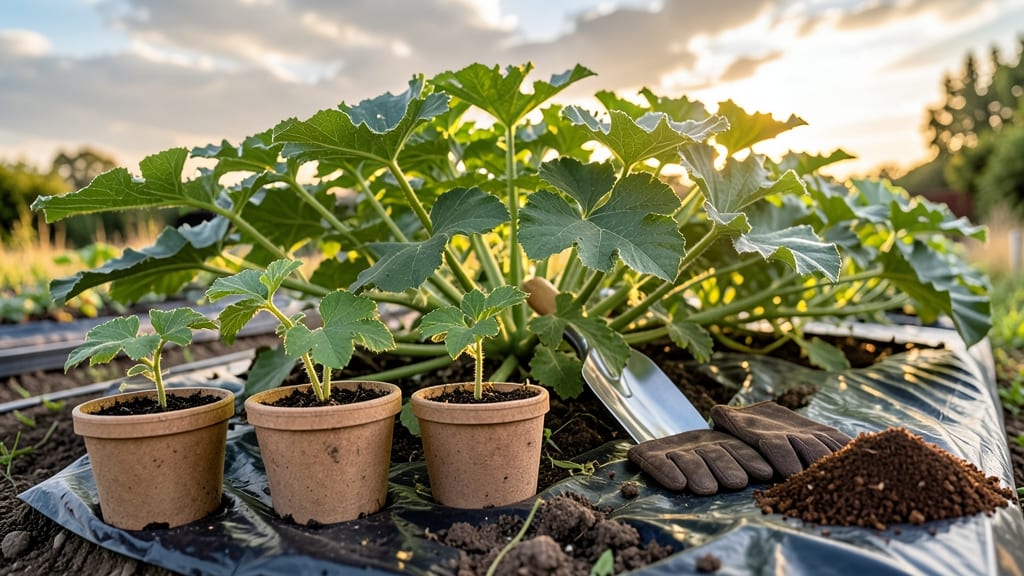
Planting watermelon in Florida isn’t just about avoiding frost—it’s about nailing the perfect heat window to prevent wilting vines or bitter fruit.
Since Florida’s frost-free climate means no last-frost dates, the real deadline is soil temperature: wait until it hits a steady 70°F (or higher) before sticking those seeds in the ground.
For most of the state, this means mid-February to early April for spring plantings—or late June to early July for fall harvests. But here’s the catch: North Florida’s cooler microclimates (like Zone 9a) need a few extra weeks of warm-up, while South Florida’s subtropical heat lets you start earlier.
Skipping this step? Your 🍉 could end up struggling in the heat or failing to set fruit.
I’ve grown watermelons in Florida’s sweltering summers, and timing is the game-changer between a thriving patch and a sad, sun-scorched vine.
Let’s break down the exact windows, soil prep tricks, and variety picks that work best for your corner of the state—so you can go from seed to sweet, juicy harvest without the guesswork.
Ready to beat the heat and grow watermelons like a pro? Grab your gloves, and let’s dive into the ideal planting schedule that’ll turn your Florida garden into a watermelon oasis.
Florida watermelon planting deadlines by heat Zone: avoid frost and heat stress
Florida’s frost-free climate means watermelons can grow year-round, but heat stress and soil temperature still dictate the best planting windows. Unlike northern states, Florida’s 11 heat zones (A1–B3) create microclimates where spring vs. fall planting determines success.
Plant too early in hot zones, and vines wilt; too late, and you miss peak harvests. Let’s break down the ideal transplanting periods for each zone.
Most of Florida avoids frost, but North Florida (A1–A2) can experience rare cold snaps in winter. For South Florida (B2–B3), the real enemy is intense summer heat, which stresses seedlings.
The key is planting when soil temperatures hit 70°F (21°C)—watermelons refuse to germinate below this threshold. Use a soil thermometer to verify before sowing.
Here’s your heat zone planting guide, including last frost dates (where applicable), direct sowing windows, and seedling transplanting deadlines to maximize yields:
For North Florida (A1–A2), aim for spring planting by April 15 to avoid summer’s brutal heat. Direct sowing after March 15 ensures seeds germinate in warmed soil, while transplanting seedlings by May 15 gives vines time to mature before 90°F+ temperatures stress them.
In Central Florida (B1), you can start as early as February 15, but avoid planting after March 30—vines may bolt in the heat.
South Florida’s B2–B3 zones offer the longest growing season. Plant January–February for spring harvests or July–August for fall crops. The trick is succession planting: Sow seeds every 2 weeks in B2–B3 to stagger harvests and avoid overripe fruit during peak heat.
Use black plastic mulch to raise soil temps faster in cooler months.
Heat stress is the real villain in Florida. Watermelon seedlings wilt at 95°F+ soil temps, so shade cloth during transplanting can buy time. For fall planting, focus on July–August sowing—any later, and vines struggle to mature before winter’s mild chill.
In North Florida, a row cover can protect young plants from rare frost, but it’s rarely needed in South Florida.
Pro tip: Use fast-maturing varieties (e.g., ‘Sugar
Florida watermelon planting deadlines by heat Zone: avoid frost and heat stress
Florida’s frost-free climate means no last frost dates to worry about—but that doesn’t mean you can plant watermelon seeds anytime. The real deadline is soil temperature, which must stay consistently above 70°F (21°C) for seeds to germinate properly.
In most of Florida, this happens between mid-February and early April for spring plantings, while fall plantings should go in late June to early July.
However, Florida’s 11 heat zones (A1–B3) create microclimates where timing varies. For example, North Florida (Zone 8a) may need to wait until late March, while South Florida (Zone 10a+) can start as early as February.
Planting too early in cooler zones risks stunted vines, while waiting too long in hot zones can lead to heat stress during flowering.
| Heat Zone | Spring Planting Window | Fall Planting Window | Soil Temp Threshold |
|---|---|---|---|
| North FL (8a) | Late March–Early April | Late June–Early July | 70°F+ (21°C+) |
| Central FL (9a) | Mid-February–March | Late June–July | 70°F+ (21°C+) |
| South FL (10a+) | February–Early March | June–Early July | 75°F+ (24°C+) |
For direct sowing (planting seeds outdoors), aim for 2–3 weeks after soil warms to avoid seed rot. If starting seedlings indoors, transplant them 1–2 weeks before your zone’s ideal window to give them a head start. Seedlings need hardening off (acclimating to outdoor conditions) for 7–10 days before planting.
Pro tip: Use a soil thermometer to monitor temperatures—seeds won’t germinate below 60°F (15°C), and vines struggle above 95°F (35°C). In South Florida’s Zone 10a+, where heat arrives early, opt for shade cloth during peak afternoon sun to protect young plants.
Remember, watermelons thrive in warmth but hate humidity extremes. In North Florida’s cooler zones, mulch with black plastic to raise soil temps faster. In South Florida’s heat, focus on drip irrigation to keep foliage dry and prevent fungal diseases like powdery mildew.
Timing your plantings right ensures your watermelons grow strong, sweet, and ready for harvest before Florida’s summer heat peaks. Miss the window, and you’re left with bitter fruit or vines that wilt under the sun.