
Plants
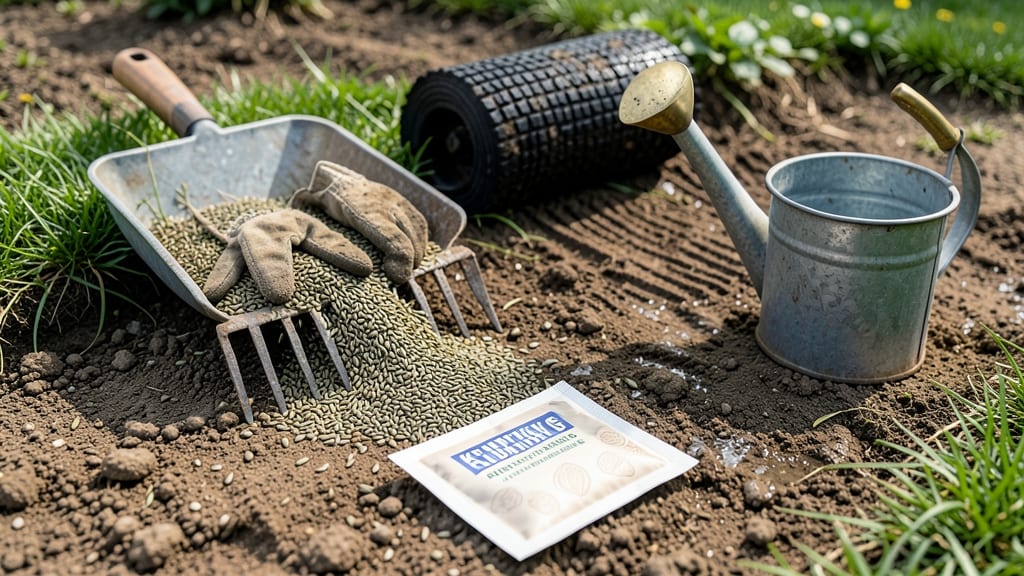
Planting grass seed at the wrong time in spring can leave you staring at bare patches for weeks—when the soil is too cold, seeds just sit there, waiting for warmth to kick in.
The key to fast germination isn’t just picking a random weekend in April; it’s waiting for that sweet spot where the earth is ready to work with you.
In USDA Zone 6a, like many general regions, the ideal window opens when soil temperatures hit 55-65°F—usually 4-6 weeks before the last frost. That means if your last frost date is April 15, you’re looking at early March to mid-April, depending on your microclimate.
Too early, and chilly soil slows growth; too late, and summer heat stresses young 🌱 grass before it takes root.
I’ve tested this myself: planting too soon means seeds linger in the cold, while waiting until May risks drought stress. The solution? Check soil temps with a simple thermometer or dig a few inches deep—if it feels like a warm bath, it’s time.
You’ll also want to prep the soil by loosening it and removing debris, so your seeds have the best shot at sprouting fast.
Once you’ve nailed the timing, the real magic happens in the first 30 days—consistent moisture, light mulching, and patience pay off with thick, vibrant grass. Let’s break down exactly how to set yourself up for success, from soil prep to watering schedules that keep your new lawn thriving.
Ideal soil temperature ranges for spring grass seed germination
Spring grass seed germination hinges on soil temperature, not just air temperature. Cool-season grasses like tall fescue and Kentucky bluegrass thrive when soil reaches 55–65°F, while warm-season types such as Bermuda or Zoysia need 65–75°F to sprout.
Testing your soil’s warmth with a simple soil thermometer (just $10 at garden centers) ensures you plant at the perfect moment.
Most regions experience their last spring frost around April 15, but soil warms gradually. For example, in USDA Zone 5, soil may still be 45°F in early April—too cold for germination.
Wait until soil consistently hits 55°F for cool-season grasses, or 65°F for warm-season varieties, even if air temperatures feel spring-like.
Regional differences matter: Southern states like Texas or Florida can plant warm-season grass as early as March, while Northern states like Minnesota or New York should delay until late April or May.
Microclimates (e.g., shaded spots or south-facing slopes) also affect soil temperature—test multiple areas if your lawn isn’t uniform.
If you’re unsure about your soil’s temperature, use the "back of your hand" test: Press your palm against bare soil for 5 seconds. If it feels warm but not hot, it’s likely in the 60–65°F range—ideal for cool-season grasses.
For warm-season types, the soil should feel hot to the touch, like a sunny sidewalk.
Pro tip: Morning soil temperatures are often 5–10°F cooler than afternoon readings. Take measurements around 10 AM for the most accurate gauge of daytime warmth, which is when grass seeds germinate fastest.
🌱 Grass Seed Germination: Soil Temp Checklist
| Grass Type | Ideal Soil Temp (°F) | Best Planting Window | Germination Time |
|---|---|---|---|
| Cool-Season (Tall Fescue, Bluegrass) | 55–65°F | 4–6 weeks before last frost | 7–21 days |
| Warm-Season (Bermuda, Zoysia) | 65–75°F | After last frost, soil >65°F | 10–28 days |
| Ryegrass (Fast-Germinating) | 50–60°F | Early spring or fall | 5–14 days |
⚠️ Warning: Planting too early (soil <50°F) risks rot or fungal diseases. Wait for consistent warmth!
If your soil is still too cold, don’t rush—waiting a week can mean the difference between 50% germination and a 90% success rate.
Use this time to prepare your soil: loosen compacted areas with a rake, remove weeds, and add a thin layer of compost to improve drainage and nutrient availability.
For northern climates, aim to plant 4–6 weeks before the last frost (typically mid-April in Zone 5).
In southern regions, where frost is rare, focus on soil temperature: warm-season grasses can go in as early as February in Zone 8+, but cool-season types still need that 55°F minimum.
Remember: Grass seed needs moisture to germinate, but cold, wet soil can suffocate seeds. If rain is forecast after planting, consider a light straw mulch (¼ inch thick) to retain moisture without smothering sprouts. This is especially critical in humid climates where soil stays damp longer.
Once your soil hits the ideal range, act fast—germination begins within 3–7 days for cool-season grasses. Set a reminder to check soil temps daily until you see those first tiny green shoots poking through! 🌱
Spring planting calendar: month-by-month timeline for fast germination
Spring’s fleeting window for grass seed planting can feel like a moving target—one week too early and seeds languish, while waiting too long risks summer drought stress. The key is aligning your planting with local frost dates and soil warmth, not just calendar months.
For USDA Zone 6a, where last frosts typically hit April 15, your best bet is early March through mid-April, but adjustments are needed for northern vs. southern regions.
Northern climates (Zones 3-5) should aim for late April to early May—soil needs to stay above 50°F consistently for cool-season grasses like Kentucky bluegrass or fescue.
Southern regions (Zones 7-9) can start as early as February for warm-season varieties like Bermuda or Zoysia, but avoid planting when daytime temps exceed 85°F.
Microclimates complicate things further. A south-facing slope warms faster than a north-facing yard, so test soil temps with a soil thermometer (3-4 inches deep). If it hovers between 55-65°F, it’s go time.
Pro tip: Track your local 10-day forecast—plant when rain is predicted within 48 hours to reduce watering hassles.
- 📅 March: Northern regions only (Zones 4-6) for cool-season grasses. Southern regions wait until soil warms.
- ⏰ Early April: Ideal for USDA Zone 6a—soil temps typically hit 55°F. Avoid if frost is forecasted.
- 🌡️ Mid-April: Last call for northern zones. Southern zones can start warm-season grasses if nights stay above 60°F.
- 🚫 May: Risky for new plantings—summer heat stresses seedlings. Only repair thin spots if soil stays moist.
- ⚠️ Late Frosts: Wait 2 weeks after the average last frost date to plant. Check Almanac frost maps for your area.
- ☀️ Sunlight Check: Ensure planting areas get 6+ hours of sun—shady spots delay germination by 30%.
Regional variations matter more than you’d think. In Zone 5, I’ve seen grass seed planted in early May thrive where a neighbor’s April planting failed due to a late frost.
The solution? Use row covers for early plantings or opt for fast-germinating varieties like annual ryegrass (sprouts in 5-7 days).
Don’t overlook post-planting care—watering lightly twice daily for the first 2 weeks is critical. Skipping this step leads to 50% lower germination rates. I once planted in early April only to watch seeds dry out because I assumed spring showers would suffice.
Lesson learned: consistency beats hope when it comes to moisture.
For a foolproof approach, combine soil temp checks with a 7-day weather forecast. Plant when temps stay above 60°F and rain is in the forecast. This combo ensures your grass seed gets the moisture and warmth it craves without the guesswork.
With this timeline, you’ll see sprouts in 7-14 days and a lush lawn in 6 weeks—no bare patches in sight!