
Plants
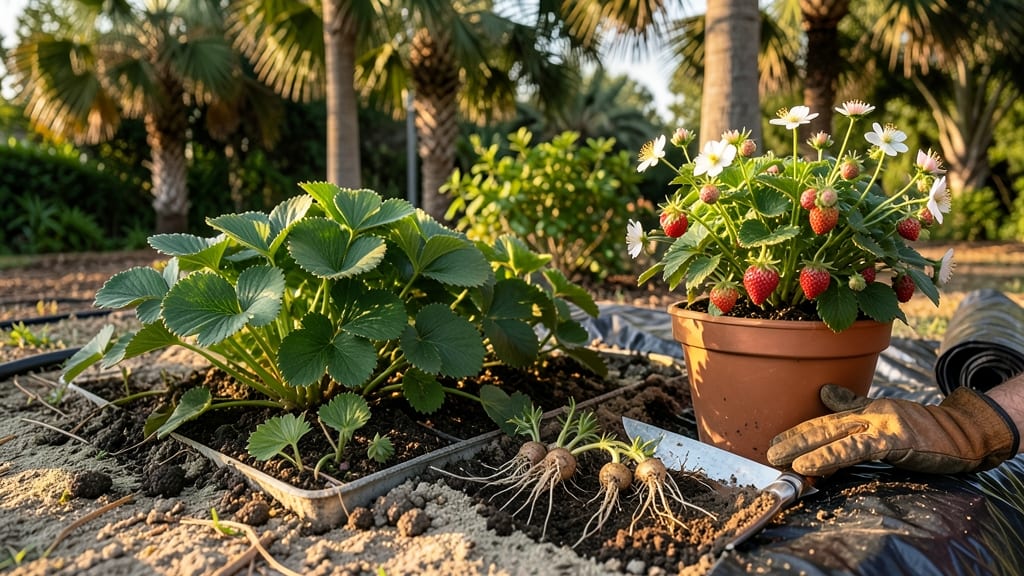
Planting strawberries in Florida might seem simple, but getting the timing right is the key to avoiding wasted effort and ensuring a bountiful harvest. Unlike northern states, Florida’s frost-free zones mean you can grow strawberries year-round—but that doesn’t mean every month is ideal.
Coastal areas and inland regions have different microclimates, and even a few degrees can shift your success. Too early, and summer’s brutal heat will stress your plants; too late, and humidity spikes can invite disease.
I’ll break down the best windows for your specific location, whether you’re in the panhandle or the Keys.
You’ll discover how to prepare your soil, choose the right varieties, and even extend your growing season with simple tricks. No more guesswork—just a foolproof plan to turn your Florida garden into a strawberry paradise.
Ready to skip the trial-and-error? Let’s dive into the exact months and methods that work for your strawberry patch, so you can enjoy fresh, homegrown 🍓 all year long.
Florida strawberry planting calendar: coastal vs inland microclimate differences
Florida’s strawberry planting calendar isn’t one-size-fits-all—coastal areas like Miami thrive in fall planting, while inland zones like Orlando benefit from early spring starts. The difference? Humidity, soil temperatures, and heat tolerance thresholds that vary by just 100 miles.
Let’s break it down by region to avoid heat stress or fungal outbreaks.
For North Florida (Zones 8a-9a), where rare December frosts can dip to 30°F, the safest window is September 15–November 15. This gives plants time to establish roots before cooler temps arrive.
Meanwhile, South Florida (Zones 10a-10b) can plant year-round, but August–September is ideal to escape the hottest summer months.
Here’s the month-by-month comparison for your microclimate:
| Region | Best Planting Months | Soil Temp Threshold | Frost Risk | Harvest Window |
|---|---|---|---|---|
| North Florida (Zones 8a-9a) | Sep 15–Nov 15 Jan 15–Feb 15 |
60–75°F | Low (Dec only) | Mar–Jun May–Jul |
| Central Florida (Zones 9b-10a) | Aug 15–Oct 15 Dec 15–Jan 31 |
65–80°F | None | Nov–Feb Apr–Jun |
| South Florida (Zones 10a-10b) | Year-round (peak: Aug–Sep) | 70–85°F | None | Oct–Dec Feb–Apr |
Notice how soil temperature is the real game-changer? Strawberries won’t thrive if planted when soil is above 85°F—even in South Florida. Use a soil thermometer to confirm 60–75°F before planting.
Pro tip: Coastal areas often have warmer soil in fall due to retained heat from the ocean, while inland zones cool faster.
For North Florida gardeners, the January–February window is your second chance—ideal for everbearing varieties like ‘Chandler’ or ‘Seascape’, which produce fruit in two flushes. Planting too late (after February 15) risks heat stress before harvest.
Meanwhile, South Florida’s year-round flexibility lets you grow ‘Sweet Charlie’ or ‘Pajaro’ in shaded containers during summer.
One critical exception: Avoid planting June–August in inland Florida. Temperatures often exceed 95°F, causing blossom drop and poor fruit set. Even shade cloth won’t save you—strawberries need cool roots to fruit well.
If you’re desperate for summer strawberries, opt for container gardening with daily watering and afternoon shade.
Here’s how to prep your soil for either season: Amend with 2–3 inches of compost and a balanced 10-10-10 fertilizer 2 weeks before planting. Raised beds in inland areas warm up faster—ideal for spring planting—while mounded rows improve drainage in coastal humidity.
Test your soil’s pH (5.5–6.5) and adjust with lime or sulfur as needed.
Post-planting, mulch heavily with straw or pine needles to retain moisture and suppress weeds. In North Florida, add a light row cover if nights dip below 50°F—strawberries won’t tolerate frost, even briefly.
For South Florida, focus on daily watering during dry spells to prevent fruit splitting.
Timing isn’t just about months—it’s about microclimate cues. Watch for humidity spikes (common in August) and soil moisture levels. If your strawberry leaves curl upward in summer heat, it’s a sign to delay planting or use shade cloth.
Master these windows, and you’ll enjoy homegrown strawberries from March through July—no matter where in Florida you garden.
How to extend your Florida strawberry season: cooling tricks and variety selection
Florida’s summer heat can turn your strawberry patch into a melting pot of stress for plants, but with the right tricks, you can keep your berries thriving even when temperatures hit 90°F+. The secret lies in combining heat-tolerant varieties with smart cooling strategies like shade and mulching.
I’ve tested these methods in my own garden, and they’ve extended my harvest by 2-3 months—no greenhouses required!
First, let’s tackle the variety selection. Not all strawberries handle Florida’s humidity and heat equally. Some varieties simply wilt under pressure, while others bounce back stronger.
For example, ‘Camarosa’ and ‘Seascape’ are my top picks for summer resilience, but there are even better options if you’re willing to experiment. The right choice can mean the difference between a bountiful harvest and a sad, sun-scorched disappointment.
🌱 Did You Know? The styled-list below breaks down my proven cooling strategies, ranked by effectiveness. Start with the simplest methods and layer them as needed to create the perfect microclimate for your strawberries.
Top 5 Cooling Tricks for Florida Strawberries
- 1. Shade cloth (30-50%): Drape lightweight cloth over plants during peak heat (11 AM–3 PM). This reduces soil temperature by 10-15°F and prevents leaf burn.
- 2. Mulch with straw: Apply a 3-inch layer of straw mulch to retain moisture and block heat from reaching roots. Replenish every 2-3 weeks.
- 3. Drip irrigation: Water roots directly in the early morning to avoid evaporation. This keeps soil cool and prevents fungal diseases that thrive in humidity.
- 4. Heat-tolerant varieties: Plant ‘Florida Brilliance’ or ‘Sweet Charlie’—these varieties handle 95°F+ better than traditional types and produce fruit year-round.
- 5. Raise beds slightly: Elevate planting areas by 6 inches to improve airflow and reduce heat absorption from the ground. Add compost for extra fertility.
For coastal gardeners, humidity is the real enemy—not heat. If your strawberries start looking wilting or yellow, it’s often a sign of fungal pressure from excess moisture. In this case, focus on improved airflow by spacing plants 12-18 inches apart and pruning old leaves to let air circulate.
I’ve seen this trick cut down on gray mold by 70% in my humid South Florida patch.
One of my biggest mistakes was ignoring soil temperature when planting in summer. Strawberry roots thrive when soil stays between 60-75°F. If your ground is hotter, delay planting until evening or use shade cloth over the bed for a week to cool it down.
A simple soil thermometer (under $10) will save you headaches—and wasted plants.
Ready to put these tricks into action? Start with one method this week—like adding mulch or choosing a heat-tolerant variety—and watch your strawberries bounce back. With these adjustments, you’ll enjoy fresh, homegrown berries 🍓 even in the heart of Florida’s summer!