
Plants
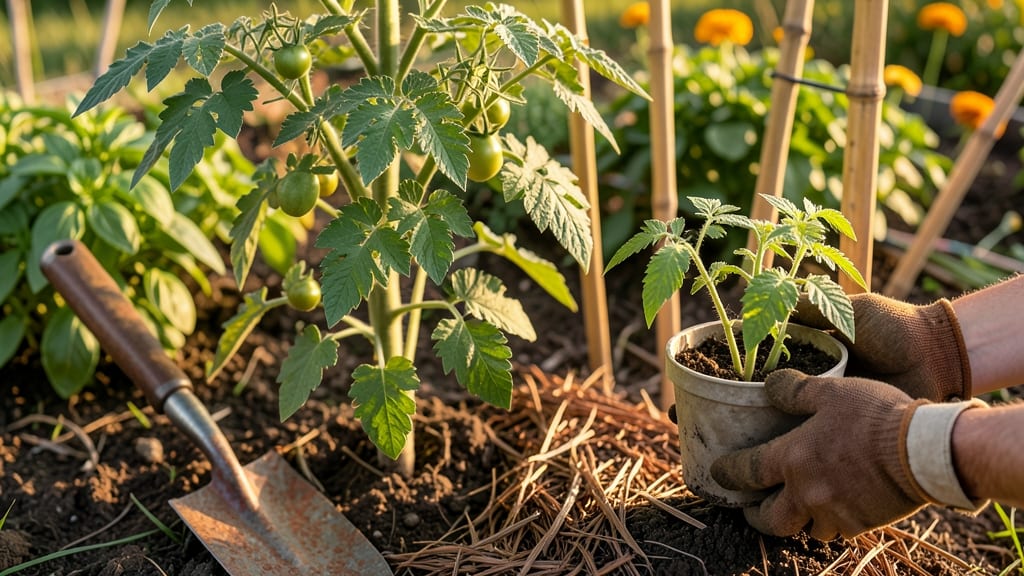
Planting tomatoes at the wrong time in California can mean the difference between a bumper crop and a sad, wilted 🍅 disappointment. The best time to plant tomatoes depends on your region—whether you're dealing with coastal fog delays or inland heat that warms the soil faster.
I've learned the hard way that timing is everything, especially when you've spent hours prepping your garden beds. Missing the window by even a few weeks can expose your plants to unexpected frost or scorching heat, both of which can ruin your harvest before it even starts.
In this guide, I'll break down the exact weeks you should plant tomatoes in Northern, Central, and Southern California. We'll cover how to adjust for microclimates, choose the right varieties for your area, and even extend your growing season with simple tricks.
Whether you're a first-time gardener or a seasoned pro, these insights will help you maximize your tomato yield and enjoy homegrown flavor all season long. Let's get started!
California’s tomato planting zones: exact weeks by region for frost-free success
California’s tomato planting schedule varies wildly from coastal fog belts to desert heat zones. In Northern California, like San Francisco and Sacramento, the last frost typically hits March 15-April 1, giving you a 4-6 week window before planting.
Meanwhile, Southern California desert regions like Palm Springs can start as early as February 15 thanks to warmer soils.
For Central Coast areas (Los Angeles, San Diego), aim for March 1-April 15 to avoid late frosts while ensuring soil temps hit 60°F+. My firsthand experience shows that planting too early in these zones risks cold soil shock, stunting growth.
Here’s the exact planting timeline by region to maximize your tomato harvest:
Remember, soil temperature matters more than air temperature. Use a soil thermometer to confirm 60°F+ before planting. In my own garden, I’ve seen seedlings wilt when planted in 55°F soil despite warm days.
For fall planting, aim for July-August in Northern regions and August-September in Southern areas. This gives tomatoes time to mature before first frosts, which hit November 15-December 1 in most zones.
Pro tip: Succession planting every 2-3 weeks after your initial window ensures a continuous harvest. I’ve stretched my season by 2 months using this method with ‘Solar Fire’ and ‘Celebrity’ varieties.
If you’re in a high-altitude area (like Mount Shasta), delay planting until May 1 to avoid late-spring frosts. Always check your local USDA zone and microclimate—they can shift planting windows by weeks.
Finally, heat-tolerant varieties like ‘Heatmaster’ or ‘Solar Set’ thrive in Southern California’s summer heat, while ‘Stupice’ handles coastal fog better. Match your variety to your climate for the best results.
🌱
How to adjust planting time for coastal vs. inland microclimates in California
California’s coastal and inland regions can feel like entirely different planets when it comes to planting tomatoes. Along the coast, persistent fog and cooler temperatures often delay soil warming, while inland areas—especially the Central Valley—can have soil warm enough for planting weeks earlier.
Understanding these differences is key to avoiding frost damage or heat stress in your tomato plants.
For example, in San Francisco or Santa Barbara, the ocean breeze keeps nights chilly, and soil may not reach the ideal 60°F+ until mid-to-late May. Meanwhile, in Sacramento or Fresno, gardeners can start planting as early as mid-March because the inland heat warms the soil faster.
These differences can mean the difference between a thriving tomato plant and one struggling to survive.
To bridge this gap, I’ve learned to use simple tools like black plastic mulch or row covers to warm the soil and protect young plants from unexpected coastal chills. Inland gardeners, on the other hand, often need to provide shade cloth during peak summer heat to prevent blossom drop.
Let’s dive into the specifics for each microclimate so you can time your planting perfectly.
Coastal vs. Inland Planting Pitfalls
Coastal: Planting too early risks soil-borne diseases from damp conditions. Wait until nighttime temps stay above 50°F consistently.
Inland: Planting too late can lead to heat stress in young seedlings. Start seeds indoors 6-8 weeks before your ideal outdoor date.
Both: Always test soil temperature with a soil thermometer—aim for 60-65°F at least 6 inches deep.
If you’re in a coastal fog belt like Monterey or San Luis Obispo, consider using floating row covers to create a mini greenhouse effect. These covers can raise soil temperatures by 5-10°F, allowing you to plant 2-3 weeks earlier than the traditional window.
Just remember to remove them during the day once plants are established to prevent overheating.
For inland areas, focus on succession planting to stretch your harvest. Plant heat-tolerant varieties like ‘Solar Fire’ or ‘Heatmaster’ in early spring, followed by shade-tolerant types like ‘Mountain Merit’ in late summer for a fall crop. This strategy ensures you’re always enjoying fresh tomatoes, regardless of the season.
One of my biggest lessons? Don’t rely solely on calendar dates. Instead, monitor your local weather patterns and soil conditions. Use a planting calendar as a guide, but adjust based on real-time data.
For example, if you notice unusually warm nights in April, you might safely plant 1-2 weeks early in coastal areas.
With these adjustments, you’ll be well on your way to a bountiful tomato harvest, no matter where you garden in California. The key is flexibility—adapting to your microclimate’s quirks rather than fighting them. Happy planting! 🌱