
Trees
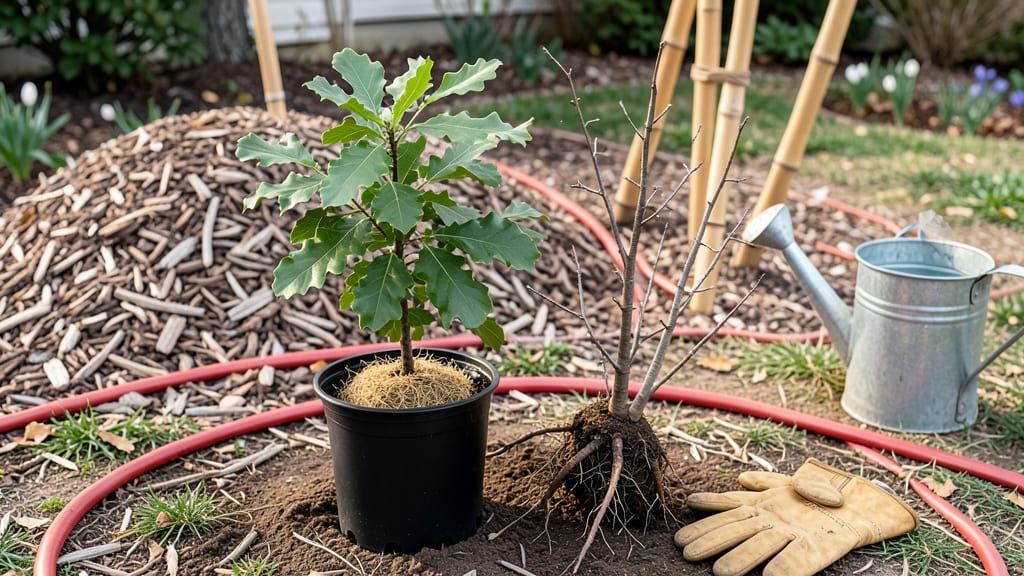
Planting a tree in Utah isn’t just about grabbing a shovel—it’s about mastering the best time to set your 🌳 up for success, especially when desert lowlands and mountain peaks play by different rules.
Skip the wrong season, and you risk stunted growth or even worse, a tree that never makes it past winter. But get the timing right, and you’ll watch your new addition thrive for decades, no matter if you’re in Salt Lake City or Park City.
Most gardeners assume spring is the only window, but Utah’s 5b-7b zones actually give you two prime chances: late winter to early spring (February–April) when the ground thaws, and fall (September–October) when trees can establish roots before winter hits.
The key? Knowing your elevation—what works for a Colorado Blue Spruce in the high country might fail for a fruit tree in the valley.
I’ve dug into Utah State University’s research and talked to local arborists to break it down for you. Whether you’re planting a drought-resistant Utah Juniper or a cold-hardy aspen, we’ll cover soil temps, frost dates, and species-specific tips so you don’t waste time—or money—on a doomed project.
Ready to plant with confidence? Let’s get started.
Here’s the game-changer: the most important factor isn’t just the calendar—it’s your microclimate. A sheltered backyard in Provo might be ready weeks before the exposed slopes of Moab.
I’ll show you how to check your last frost date, prep soil months in advance, and pick the perfect spot so your tree grows strong, no matter where you live in the Beehive State.
Utah tree planting seasons by elevation zone: lowlands vs mountains
Utah’s three distinct elevation zones—low desert (2,500–5,000 ft), mid-elevation (5,000–8,000 ft), and high alpine (8,000+ ft)—dictate the best planting windows for trees. Each zone has unique frost dates, soil temperatures, and microclimates that impact survival.
Planting at the wrong time can lead to root stress or winter dieback, especially for cold-hardy species like Colorado Blue Spruce or Utah Juniper.
For lowland areas (e.g., St. George), the ideal window is late winter to early spring (February–April), when soil thaws but spring rains haven’t yet arrived. In contrast, mountain regions (e.g., Park City) benefit from fall planting (September–October) to allow roots to establish before snow cover insulates the ground.
Let’s break down the best strategies for each zone.
The summary-table below compares planting windows, soil prep, and species suitability by elevation. Use this as your guide to align your project with Utah’s climate quirks, like sudden late-spring frosts or dry summer winds.
| Elevation Zone | Best Planting Window | Soil Prep | Cold-Hardy Species | Key Consideration |
|---|---|---|---|---|
| Low Desert (2,500–5,000 ft) | Late winter–early spring (Feb–Apr) | Amend with compost; improve drainage | Desert Willow, Utah Juniper, Pinyon Pine | Avoid summer planting; high heat stress |
| Mid-Elevation (5,000–8,000 ft) | Fall (Sep–Oct) or early spring (Mar–Apr) | Test pH; add organic matter | Colorado Blue Spruce, Gambel Oak, Quaking Aspen | Watch for late frosts; mulch heavily |
| High Alpine (8,000+ ft) | Late summer–fall (Aug–Sep) | Use peat moss; protect from wind | Engelmann Spruce, Subalpine Fir, Bristlecone Pine | Short growing season; prioritize root growth |
In low desert zones, where temperatures can soar to 100°F+ by summer, planting in February or March gives roots time to establish before the heat arrives. Desert Willow and Utah Juniper thrive here but need well-draining soil to avoid root rot.
I’ve seen many gardeners in St. George struggle when they plant too late, only to watch their trees wilting by June.
For mid-elevation areas, like Salt Lake City or Park City, fall planting is ideal because cooler temperatures reduce transplant shock. The Colorado Blue Spruce, a Utah staple, benefits from 6–8 weeks of root growth before winter dormancy.
I recommend testing soil pH (aim for 6.0–7.5) and adding compost to improve nutrient retention.
At high alpine elevations, the window narrows to August–September due to the short growing season. Species like Engelmann Spruce rely on snowpack for moisture, so planting too late risks frost damage before roots establish. Use windbreaks and mulch to protect young trees from high-elevation winds.
Regardless of elevation, bare-root trees should be planted in dormant season (late winter or fall), while container-grown trees offer more flexibility. Always check USDA Zone 5b–7b guidelines, but remember: microclimates (like urban heat islands) can shift your zone by 1–2 degrees.
For precise local data, consult the Utah State University Extension frost maps.
Pro tip: If you’re planting in fall, finish by mid-October in lowlands or early October in mountains to avoid early frosts. In spring, wait until soil temperatures reach 50°F+—use a soil thermometer to check!
For container-grown trees, you can plant almost year-round, but avoid extreme heat (above 90°F) or freezing temps.
Lastly, water deeply after planting—10–20 gallons per tree—to encourage root spread. In Utah’s dry climate, drip irrigation is your best friend for the first 1–2 years. Pair this with 3–4 inches of mulch to retain moisture and regulate soil temperature.
🌳
Best cold-hardy tree species for Utah’s harsh winters and how to plant them
Utah’s cold-hardy trees aren’t just survivors—they’re thrivers, from the Rocky Mountain Juniper clinging to rocky slopes to the Gambel Oak anchoring itself in canyon walls. But not all species play well in Utah’s 5b-7b zones.
I’ve narrowed down the top 5 native and adapted trees that handle our freeze-thaw cycles and low humidity like pros, plus exactly how to plant them for maximum survival.
Your first move? Pick a species that matches your elevation zone. A Colorado Blue Spruce planted in St. George will struggle, but it’ll thrive in Park City. For low desert areas, opt for Desert Willow or Utah Juniper—both drought-tolerant and heat-resistant.
In mid-elevation zones, Quaking Aspen and Gambel Oak are your best bets, while high-alpine areas favor Engelmann Spruce.
🌱 Top 5 Utah Cold-Hardy Trees
Now, let’s talk planting timing. For fall planting (September–October), focus on bare-root trees—they establish roots before winter dormancy kicks in. In spring (March–April), container-grown trees have a head start.
Pro tip: Soil temperature should be above 40°F for roots to activate. Use a soil thermometer if you’re unsure—trust me, your tree will thank you.
Here’s my step-by-step planting guide for Utah’s climate:
- Dig a hole twice as wide as the root ball (but no deeper).
- Loosen roots if planting bare-root—never force them.
- Amend soil with compost for nutrient boost (skip fertilizer—it burns new roots).
- Water deeply immediately after planting to eliminate air pockets.
- Mulch 3 inches deep (but keep mulch away from the trunk to prevent rot).
Watering is where most Utah gardeners trip up. Newly planted trees need deep, infrequent watering—think 10-20 gallons weekly for the first year, then taper to bi-weekly. Morning watering is critical to prevent fungal diseases from evening moisture.
And here’s a secret: Group plantings create microclimates that retain moisture longer, which is a game-changer in Utah’s dry air.
Remember, your tree’s long-term health starts with the first shovel of soil.
Whether you’re planting a Utah Juniper for shade or a Gambel Oak for wildlife, these cold-hardy species and smart planting techniques will give you decades of low-maintenance beauty—no matter if you’re battling 100°F summers or -20°F winters. 🌳