
Trees
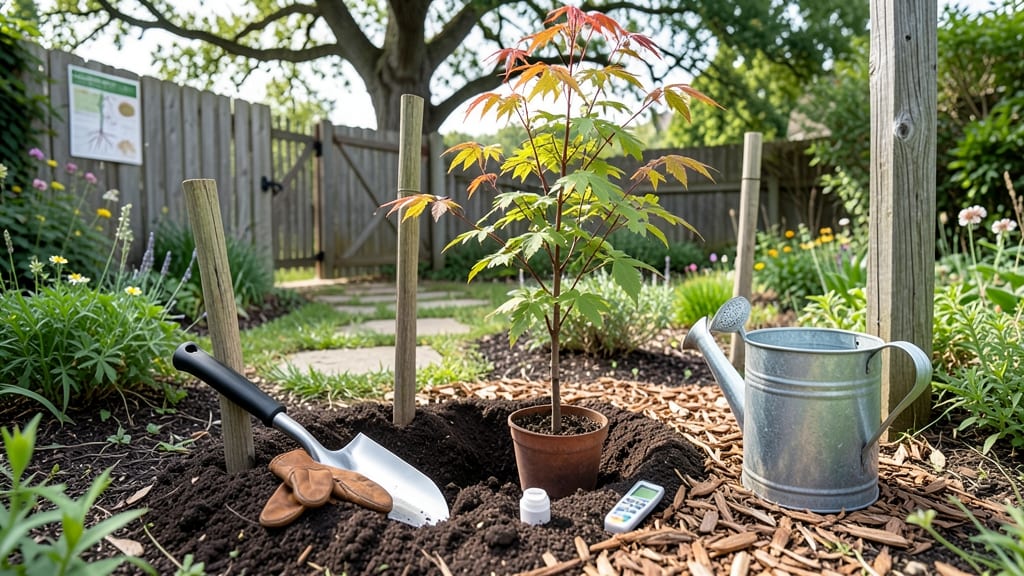
Planting a tree in Wisconsin at the wrong time can mean the difference between a thriving 🌳 shade provider and a struggling sapling—so timing is everything.
With Wisconsin's 4a-6b climate zones, you've got two prime windows to plant: early spring and fall. But which one gives your tree the best shot at strong root growth? The answer depends on soil temperature, frost dates, and even whether you're planting deciduous or evergreen species.
I've seen firsthand how a well-timed planting can lead to trees that grow twice as fast. Let me show you exactly when to plant for maximum success, plus the critical factors that determine whether your tree will thrive or struggle in Wisconsin's changing seasons.
From understanding frost-free days to preparing your soil, we'll cover everything you need to know to give your new tree the best possible start—because the right timing makes all the difference in the long run.
Wisconsin tree planting calendar: spring vs fall timing for optimal root development
Wisconsin’s variable climate makes timing critical for tree success. The ideal windows are early spring (April-May) and fall (September-October), when soil stays warm enough for root growth but air temperatures are mild. Planting outside these windows risks transplant shock or winter damage.
Northern Wisconsin (USDA Zones 4a-5a) has shorter frost-free seasons (120-150 days), so aim for late April to early June in spring or mid-September to early October in fall. Southern Wisconsin (Zones 5b-6b) can extend planting into late May or early November.
Soil temperature is the key factor. Roots need 45°F (7°C) minimum for 10+ days to establish. Use a soil thermometer to check—spring planting works best when daytime temps consistently stay above 50°F (10°C). Fall planting should occur 4-6 weeks before frost to allow roots to harden.
Bare-root trees thrive in early spring when soil thaws, while container-grown trees can handle fall planting better due to their established root systems. Evergreens like white pine or eastern red cedar need extra care—plant them in fall to avoid winter desiccation.
🌱
Wisconsin Tree Planting Comparison
| Season | Best Months | Soil Temp Requirement | Key Benefits | Risks |
|---|---|---|---|---|
| Spring | April–May | 45–65°F (7–18°C) | Long growing season for root growth | Late frost damage to new shoots |
| Fall | September–October | 50–60°F (10–15°C) | Reduced stress, better water uptake | Early frost before root establishment |
| Summer | June–August | N/A (avoid) | None | Heat stress, poor root growth |
| Winter | November–March | N/A (avoid) | None | Frost heave, root damage |
For container-grown trees, you can plant year-round except winter, but spring and fall still offer the best survival rates. If planting in late fall, choose hardy species like bur oak or sugar maple, which tolerate cold better than tender varieties like crabapple.
Always amend soil with compost or peat moss to improve drainage, especially in clay-heavy soils common in Wisconsin. Mulch with 3–4 inches of wood chips to retain moisture and regulate soil temperature.
🌳
Pro tip: Water deeply after planting—10–20 gallons for small trees—to encourage root spread. Avoid overwatering, which can suffocate roots. In drought-prone areas (like southwestern Wisconsin), prioritize deep, infrequent watering to build drought resistance.
Local extension offices (e.g., UW-Madison) provide frost date maps—use these to fine-tune your planting schedule. For example, Milwaukee averages last frost by May 10, while Minneapolis waits until May 20.
Remember: Root growth, not top growth, determines long-term success. Planting at the right time gives your tree a 60–80% higher survival rate over poor timing.
5 Critical factors that determine the best planting time for Wisconsin trees
Timing your tree planting in Wisconsin isn’t just about picking a month—it’s about understanding 5 critical factors that create the perfect conditions for root growth. From soil temperatures to frost dates, each element plays a role in whether your sapling thrives or struggles.
Let’s break down what truly matters for optimal survival rates.
First, soil temperature is non-negotiable. Trees need soil that’s at least 40°F (4°C) for roots to establish. In Wisconsin, this typically happens by mid-April in southern regions but waits until late April or early May in the north.
Planting too early means roots stay dormant, while waiting too long risks summer drought stress.
Next, frost dates dictate your window. Wisconsin’s last frost usually arrives by mid-April, but first frosts can hit as early as mid-October. Fall planting (September-October) works because trees get 6-8 weeks of root growth before winter dormancy sets in.
Spring planting (April-May) gives roots time to establish before summer heat arrives.
Don’t overlook rainfall patterns, either. Wisconsin’s growing season often sees 1-2 inches of rain weekly, but droughts can hit hard. After planting, monitor soil moisture—mulch is your best friend here. It locks in moisture, regulates temperature, and suppresses weeds, giving young roots a fighting chance.
Another game-changer? Tree species maturity. Bare-root trees (like oaks or maples) should be planted during dormancy—either fall or early spring—when they’re not actively growing. Container-grown trees, however, are more flexible and can handle planting almost year-round (except winter).
This flexibility makes them ideal for urban landscapes where timing is tricky.
Finally, microclimates can shift your planting window by weeks. A southern Wisconsin garden might see warmer soil by mid-April, while northern counties could be waiting until late May.
Use local weather data or ask your county extension office for precise frost and soil temperature trends in your area.
By aligning these 5 factors with Wisconsin’s climate, you’ll give your trees the best shot at strong root systems and long-term health. The payoff? A shade tree that stands for decades—not a sad sapling that fades away.