
Companion Plants
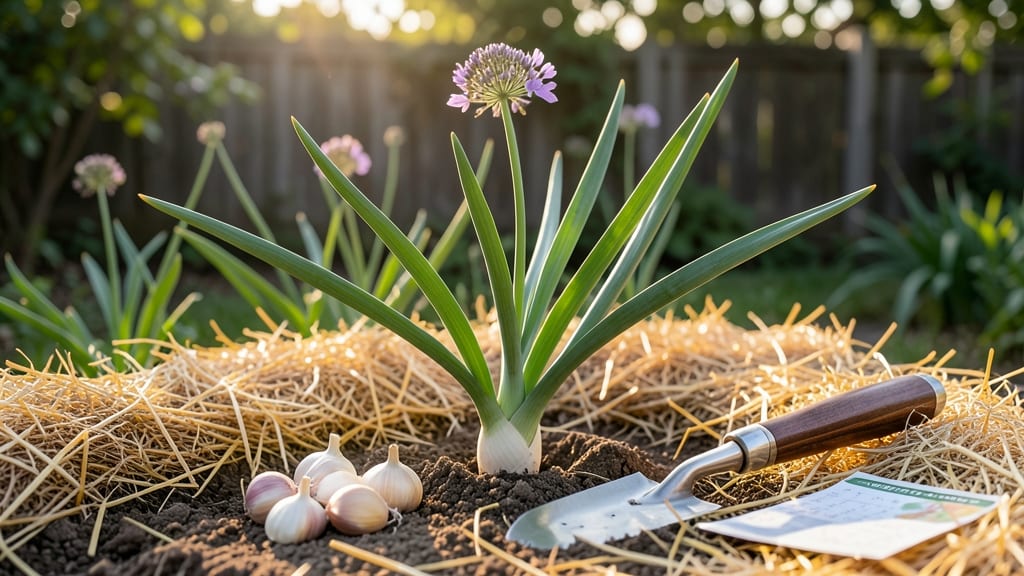
If you're wondering when to plant garlic in Michigan, timing is the key to a bountiful harvest—especially in zones 5b-6b where frost can make or break your crop. Planting too early risks bolting, while waiting too late means stunted roots before winter sets in.
The secret lies in those 4-6 weeks before the ground freezes, a window that transforms weak cloves into robust bulbs ready for summer.
Michigan's unpredictable fall weather adds another layer, but the right approach ensures your 🧄 thrives despite the challenges. Whether you're growing hardneck varieties for braiding or softnecks for storage, understanding soil temperatures and frost dates is what separates a good harvest from a great one.
Let me walk you through the exact steps to get it right every time.
You don't need a green thumb to succeed—just the right timing and preparation. We'll cover how to adjust for late falls, what soil conditions work best in cold climates, and how to break dormancy without risking early growth.
By the end, you'll know exactly when to plant for maximum yield, no matter what Michigan throws your way.
The payoff? Plump, flavorful bulbs by late June or July that make every effort worthwhile. Let's dive into the details so you can confidently plant your garlic and enjoy the rewards of a well-timed harvest.
Best planting windows in Michigan: weeks before frost for hardneck vs softneck garlic
Michigan’s USDA Zones 5b-6b demand precision when planting garlic. The key is timing—aim for 4-6 weeks before the ground freezes, typically between mid-October and November. This window ensures garlic roots establish before winter dormancy.
Hardneck varieties, like ‘Music’ or ‘German White’, thrive in Michigan’s cold, while softneck types (‘Silverskin’) need slightly warmer soil.
For most of Michigan, the last frost date falls around mid-November. Planting garlic 6-8 weeks before this date (around late September to early October) gives roots time to develop before freezing. In northern Michigan (Zone 5b), shift planting 1-2 weeks earlier to account for colder soils.
Hardneck garlic requires cold exposure to form bulbs, making Michigan’s winters ideal. Softneck varieties, while less cold-hardy, can still grow in Michigan if planted 2-3 weeks later than hardnecks. The trade-off? Softnecks may produce smaller bulbs in colder climates.
Soil temperature is critical. Garlic cloves need soil at 40-50°F (4-10°C) to sprout. In Michigan, this usually occurs by late September, but wait until soil cools after summer heat. Use a soil thermometer to confirm—planting too early in warm soil risks bolting.
🌱 Garlic Planting Comparison: Hardneck vs Softneck in Michigan
| Factor | Hardneck Garlic | Softneck Garlic |
|---|---|---|
| Best Planting Time | Late Sept–Oct (6-8 wks before frost) | Early Oct–Nov (4-6 wks before frost) |
| Cold Hardiness | Zone 3-8 (ideal for Michigan) | Zone 5-10 (struggles in Zone 5b) |
| Bulb Size | Large, robust (best for Michigan) | Smaller, stores longer |
| Frost Requirement | Needs 40+ days below 40°F | Minimal cold needed |
| Harvest Window | Late June–July | July–August |
💡 Pro Tip: In Zone 5b, prioritize hardneck varieties like ‘Chesnok Red’ for larger yields. Softnecks may need row covers for winter protection.
Michigan’s variable weather complicates timing. If your area experiences early frosts, plant garlic as soon as soil temps drop below 60°F (15°C), even if it’s early September.
Conversely, in southern Michigan (Zone 6b), you can extend planting until early November—just ensure cloves have 4-6 weeks to root before freezing.
For container gardening, use well-draining pots and plant garlic 2 weeks earlier than in-ground. Containers warm faster in spring, so adjust timing to match your microclimate. Place pots near south-facing walls to extend the growing season.
Test soil pH (6.0-7.0) before planting. Michigan’s clay soils often need compost or aged manure to improve drainage. Amend beds with 2-3 inches of compost and work in 1 cup of 5-10-10 fertilizer per 10 sq ft at planting. Over-fertilizing with nitrogen risks leafy growth over bulb development.
After planting, mulch heavily with straw or leaves (4-6 inches) to insulate cloves through winter. In snowy Michigan winters, this mulch layer prevents heaving (cloves pushing out of the soil). Remove mulch in early spring once snow melts to allow light penetration for regrowth.
Monitor garlic in late winter for signs of early sprouting. If shoots emerge before March 1st, add 2-3 inches of straw mulch to protect tender growth from late frosts. Once consistent daytime temps reach 50°F (10°C), remove mulch completely to encourage active growth.
How to adjust planting for Michigan’s unpredictable weather: late fall vs early spring options
Michigan’s unpredictable fall weather can throw off even the best-laid garlic planting plans. If early frosts arrive sooner than expected, don’t panic—adjusting your timeline can still yield a great harvest.
The key is flexibility: plant garlic as soon as soil temps drop below 60°F (15°C), even if it means starting in early September. This gives cloves time to root before the ground freezes, even if it’s outside the ideal window.
For gardeners in northern Michigan (Zone 5b), where winters arrive early, prioritize hardneck varieties like ‘Kelsol’ or ‘German Red’. These types handle colder soils better and can tolerate shorter growing seasons.
If you miss the fall window entirely, don’t despair—spring planting is an option, though yields may be smaller. Plant cloves in early April once soil reaches 40°F (4°C), treating them like a spring onion harvest rather than a full bulb.
Use this 3-step checklist to adapt to Michigan’s weather:
- Monitor soil temperatures daily after September 1st—plant when they consistently stay below 60°F (15°C).
- If frost threatens before roots establish, cover beds with row fabric or straw mulch to delay freezing.
- For late fall plantings, choose smaller cloves (they root faster than large ones).
🌱 Michigan Garlic Planting Adjustments
- Early Frost Risk: Plant 2-3 weeks early (early Sept) and use row covers.
- Late Fall Planting: Extend to early Nov in Zone 6b, but ensure 4+ weeks before frost.
- Spring Planting: Plant early April for green garlic; expect smaller bulbs.
- Container Gardening: Plant 2 weeks earlier than in-ground to account for faster warming.
- Soil Too Warm: Delay planting until soil drops below 60°F (15°C) to prevent bolting.
⏰ Pro Tip: Use a soil thermometer—Michigan’s clay soils retain heat longer than sandy soils.
If you’re new to garlic growing, consider a split planting strategy: sow half your cloves in late September and the other half in early October. This hedges against early or late frosts while ensuring at least one batch establishes properly.
For example, in Traverse City (Zone 5b), plant the first batch by September 15th and the second by October 1st.
Michigan’s snow cover can actually work in your favor—deep snow insulates garlic through winter, protecting roots from extreme cold. However, if winters are mild with little snow, add an extra 2-3 inches of straw mulch in December to prevent soil heaving.
Remove mulch in early March once daytime temps rise above 40°F (4°C) to encourage spring regrowth.
For urban gardeners with limited space, container garlic is a game-changer. Use 5-gallon pots with well-draining mix and plant cloves 2 weeks earlier than in-ground. Place containers near south-facing walls to capture extra warmth.
In Detroit (Zone 6b), this can extend your planting window until mid-November—just ensure pots are protected from wind.
Finally, keep an eye on local weather forecasts in October. If a hard freeze is predicted, rush to plant garlic immediately, even if soil isn’t ideal. Cloves can survive brief exposure to 20°F (-7°C), but roots need time to establish before prolonged freezing.
With these adjustments, you’ll turn Michigan’s unpredictable weather into an advantage for a reliable garlic harvest.