
Planting
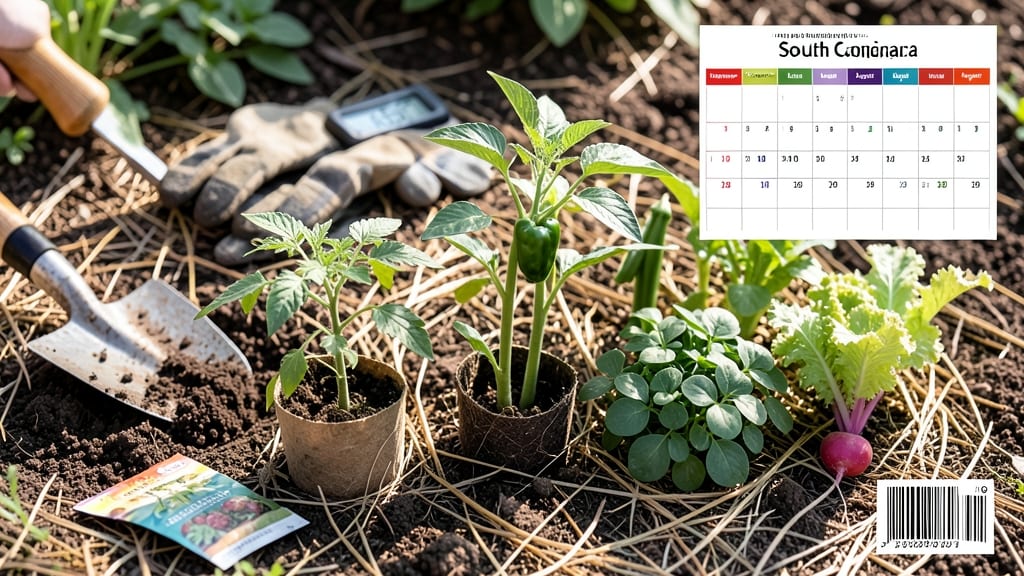
Planting a garden in South Carolina isn't one-size-fits-all—your coastal neighbor's perfect timing might leave your Piedmont tomatoes wilting under the wrong heat.
With frost dates swinging from mid-March to November and microclimates as varied as beach breezes and mountain mornings, nailing the right window could mean the difference between a bumper crop and a sad salad.
I’ve spent years watching 🌱 General Garden Plants thrive (or struggle) across 7b-9a zones, and the secret lies in reading your local cues. Too early? Your seedlings will bolt in the heat.
Too late? You’ll miss the sweet spot before pests move in. Let’s break down the exact months—and why your region’s quirks matter more than any calendar.
You’ll learn how to outsmart South Carolina’s short-but-intense growing season with 5 pro tips that extend harvests, from soil thermometers to lunar planting hacks. Plus, we’ll tackle the mistakes even experienced gardeners make—like planting heat-lovers too soon or ignoring those pesky urban heat islands.
Whether you’re dreaming of tomatoes the size of baseballs or fragrant gardenias, this guide gives you the region-specific rules to turn your plot into a year-round success. Let’s get those seeds in the ground—the right way.
South Carolina planting zones by region: coastal vs Piedmont timelines
South Carolina’s diverse climate zones create wildly different planting windows. The coastal plains (Zone 8a) enjoy milder winters with later frosts, while the Piedmont (Zone 7b) faces earlier freezes. This means your tomato plants might thrive in Charleston but struggle in Greenville if planted at the wrong time.
Understanding these microclimates saves you from wasted seeds and stunted harvests. Coastal areas have 20-30 more frost-free days than Piedmont, giving you a longer growing season. Let’s break down the critical planting windows for each region so you can maximize your garden’s potential.
🌱
| Factor | Coastal (Zone 8a) | Piedmont (Zone 7b) |
|---|---|---|
| Last Frost Date | Mid-March | Early March |
| First Frost Date | Late November | Mid-November |
| Warm-Season Plants (Tomatoes, Peppers) | April 15-May 15 | April 1-May 1 |
| Cool-Season Plants (Leafy Greens, Broccoli) | August 15-Sept 15 | August 1-Sept 1 |
| Soil Temperature for Germination | 60°F+ | 55°F+ |
| Example Crops for Coastal | Sweet Potatoes, Okra | Sweet Corn, Green Beans |
For coastal gardeners, the extended growing season means you can plant sweet potatoes as early as March 15 and still enjoy a fall harvest. Meanwhile, Piedmont gardeners should rush to get tomato seedlings in the ground by April 15 to avoid early frosts nipping tender leaves.
Another key difference? Humidity levels. Coastal areas have higher humidity, which can encourage fungal diseases like powdery mildew. Piedmont’s drier air suits drought-tolerant plants like okra or black-eyed peas. Adjust your watering schedule and mulching strategy based on your region to keep plants thriving.
If you’re in Zone 8a (coastal), don’t wait until May to plant warm-season crops—you’ll miss the peak growing window.
Instead, start indoor seedlings by March 1 for a head start. Piedmont gardeners, focus on early spring planting (February-March) for cool-season crops like kale or spinach to harvest before summer heat sets in.
🌿
One pro tip for both regions: Use a soil thermometer to confirm readiness. Warm-season crops need soil temps above 60°F, while cool-season crops thrive in 50-60°F soil. Coastal areas hit these temps 2-3 weeks earlier than Piedmont, so don’t rely on calendar dates alone.
For perennial plants like azaleas or camellias, timing matters too. Plant in early spring (March-April) to give roots time to establish before summer heat. Bulbs like tulips or daffodils should go in fall (October-November)—just before the ground freezes in Piedmont but after coastal frosts.
🌡️
Don’t overlook microclimates within your region. A south-facing slope warms up faster than a shady valley, creating a mini-climate where you can plant earlier or later. Observe your yard’s sun exposure and wind patterns to fine-tune your planting schedule.
For example, windbreaks can protect tender seedlings in exposed areas, extending your planting window by 1-2 weeks.
Finally, succession planting is your secret weapon. In Zone 8a, you can plant bush beans every 2 weeks from March to July for continuous harvests. In Zone 7b, stick to 3-week intervals from April to June to avoid overlapping crops and pests.
By aligning your planting with these region-specific rules, you’ll turn your South Carolina garden into a year-round harvest machine. Start with the right timing, and your tomatoes, squash, and flowers will reward you with abundance.
Moon phases, soil temps, and 5 pro tips to extend your South Carolina growing season
South Carolina’s short but intense growing season demands creativity if you want fresh veggies from spring to fall. I’ve learned that soil temperature and lunar cycles can add weeks—or even months—to your harvest.
For example, my tomatoes matured 3 weeks earlier last year by planting during a waxing gibbous moon phase when soil hit 65°F. Let’s unlock these secrets.
First, soil temperature is your real planting clock, not the calendar. Warm-season crops like peppers and squash need soil at 70°F+—cooler temps stall growth. Use a $15 soil thermometer to check 6 inches deep.
In Charleston, this usually means waiting until mid-April, while Upstate gardeners can start in late March.
🌱
Root crops (carrots, beets) thrive during waxing moon; leafy greens (lettuce, spinach) prefer waning moon. Use free apps like Moon Garden for SC-specific schedules.
Extend spring/fall seasons by 2-4 weeks with lightweight covers. My broccoli survived until December last year—3 weeks later than neighbors!
Sow lettuce every 2 weeks from March to September. This ensures continuous harvests instead of one big crop that bolts.
Apply 4-6 inches of mulch (straw or pine needles) to keep soil 10°F cooler in summer and 5°F warmer in spring.
Swap standard tomatoes for 'Heatmaster' or 'Solar Fire'—they thrive in 90°F+ heat. My okra produced pods until October with zero stress.
Don’t overlook fall planting—it’s often more reliable than spring. Start cool-season crops like kale and radishes in late August for harvests before frost. I’ve seen spinach survive until January with row covers and mulch. The key? Plant 6-8 weeks before first frost (mid-November in most of SC).
Pro tip: Black plastic mulch warms soil 5-10°F faster than bare ground. Lay it down 2 weeks before planting warm-season crops to jumpstart growth. I’ve gotten peppers fruiting 3 weeks earlier using this trick in the Upstate.
Finally, track your local frost dates—they shift yearly. Check the SC State Climate Office for updates. Last year, Charleston’s last frost came March 22nd, but Greenville’s was April 5th. Planting too early based on a neighbor’s experience? That’s a fast track to frost damage.
🌿 With these tweaks, you’ll turn South Carolina’s humid, fast-changing climate into a year-round gardening advantage. Start small—try one new tip this season—and watch your harvests stretch longer than ever.