
Plants
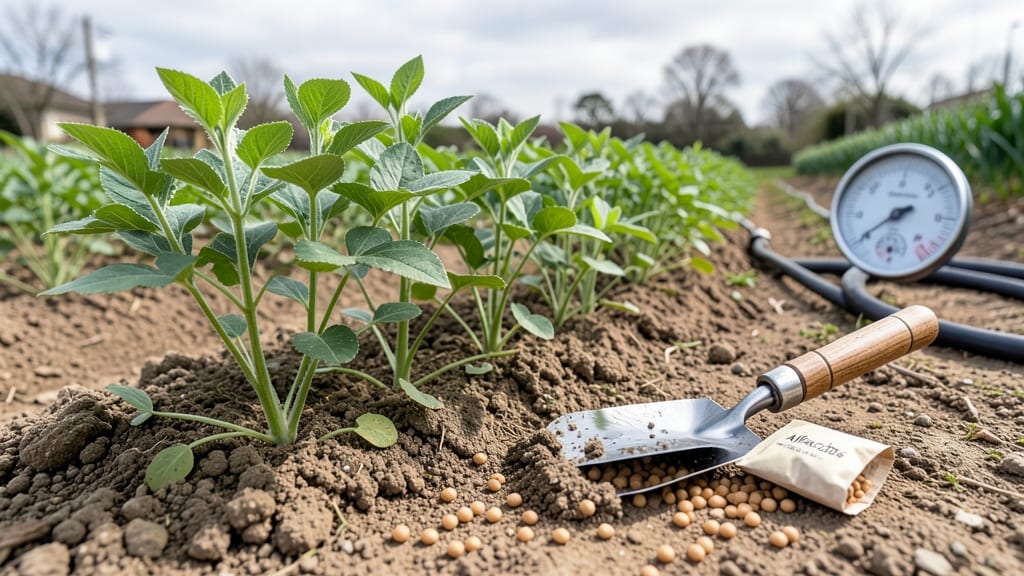
Planting alfalfa in Oklahoma at the wrong time can mean the difference between a thriving, drought-resistant crop and one that struggles to take root. With USDA zones 6a-8a and hot summers, timing your 🌱 alfalfa planting is the key to strong root growth and long-term success.
Most gardeners in Oklahoma focus on spring planting, but late summer offers another prime window—especially in 6a-8a regions where early frosts can sneak up. The best months? March-April for spring or August-September for fall, when soil temperatures stay above 50°F and moisture levels are ideal.
Why does timing matter so much? Alfalfa needs consistent moisture and warmth to establish deep roots before Oklahoma’s summer heat sets in. I’ll break down the exact conditions your soil needs—plus how to avoid common mistakes that waste time and resources.
Let’s get your alfalfa off to the best possible start with these Oklahoma-specific tips that actually work. Ready to plant with confidence?
Best planting months for alfalfa in Oklahoma by region
Oklahoma’s diverse climate means planting alfalfa in March-April or August-September varies dramatically by region. Northern Oklahoma’s cooler springs and earlier frosts demand earlier planting, while Southern Oklahoma’s longer growing season allows flexibility. Getting this timing right ensures your alfalfa establishes deep roots before summer heat or winter frost strikes.
Alfalfa thrives in Oklahoma’s USDA Zones 6a-8a, but regional differences in frost dates and soil temperatures create distinct planting windows. Northern Oklahoma’s shorter frost-free season (around 180 days) requires earlier planting, while Southern Oklahoma’s 220-day window offers more flexibility.
Let’s break down the best months for each region to maximize your yield.
For Northern Oklahoma, aim to plant by April 15 to give seedlings time to develop 2-3 inches of roots before summer’s intense heat. The August 1-15 window is ideal for a fall crop, as it allows regrowth before winter dormancy.
Use a light mulch to retain moisture during Oklahoma’s dry spells.
Central Oklahoma gardeners have the most flexibility with a 6-week window in spring (March 30-April 30) and another in late summer (August 15-September 15). This region’s moderate rainfall reduces irrigation needs, but still monitor soil moisture—alfalfa wilts quickly in dry conditions.
Test your soil’s pH (6.5-7.5) before planting to ensure optimal nutrient uptake.
Southern Oklahoma’s warmer climate extends the planting season, but don’t delay past May 15—alfalfa struggles with temperatures above 90°F. The September 1-30 window is perfect for a fall harvest before first frost (November 15).
In this region, focus on drought-resistant varieties like ‘Ladak’ or ‘CUF 101’, which handle Oklahoma’s heat better.
Regardless of region, always plant alfalfa seeds 1/4 inch deep in well-drained soil. Use a seed drill for even spacing (1/2 inch between seeds) to prevent overcrowding. After planting, keep the soil consistently moist but never waterlogged—alfalfa roots rot in soggy conditions.
Pro tip: Mix alfalfa seeds with sand before planting to improve seed-to-soil contact. This is especially helpful in Oklahoma’s clay-heavy soils, which can compact easily. After germination (7-14 days), thin seedlings to 6 inches apart to reduce competition for nutrients.
Monitor your alfalfa’s growth closely—first harvest should occur when plants reach 8-12 inches tall. Cutting too early reduces yield, while waiting too long makes the stems woody and less palatable. In Oklahoma’s climate, aim for 3-4 harvests per year to maximize forage production.
🌱 Remember, Oklahoma’s unpredictable weather means flexibility is key. If spring rains delay planting, don’t rush—wait for soil temperatures above 50°F and consistent moisture. Your alfalfa’s long-term success depends on these early decisions.
Key soil and weather conditions for alfalfa success in Oklahoma
Alfalfa thrives in Oklahoma’s climate when planted under the right soil and weather conditions. The key is balancing moisture, temperature, and soil pH—three factors that directly impact root depth and survival. Let’s break down what your alfalfa needs to grow strong and resilient.
First, soil temperature must stay above 50°F for seeds to germinate. In Oklahoma’s USDA zones 6a-8a, this means waiting until March-April for spring or August-September for fall planting. Cold soil delays germination, wasting seeds and resources.
Next, soil pH between 6.5-7.5 is critical. Alfalfa struggles in acidic or alkaline soils, which can stunt growth or invite pests. Test your soil before planting—Oklahoma’s clay-heavy soils often need lime or sulfur to adjust pH levels properly.
Moisture is another game-changer. Alfalfa needs consistent soil moisture during germination but becomes drought-tolerant once established. In Oklahoma’s unpredictable climate, aim for 1-2 inches of water per week until roots are deep (about 6-8 weeks). Mulching helps retain moisture and cool soil temperatures.
Finally, full sun exposure (8+ hours daily) is non-negotiable. Alfalfa won’t thrive in shaded areas, especially in Oklahoma’s intense summers. Choose a south-facing location with minimal obstructions to maximize sunlight and growth potential.
| Condition | Oklahoma Requirement | Why It Matters |
|---|---|---|
| Soil Temperature | 50°F+ | Seeds won’t germinate below this threshold. |
| Soil pH | 6.5-7.5 | Optimal for nutrient absorption and root growth. |
| Moisture | 1-2 inches/week (young) | Prevents drought stress during critical growth stages. |
| Sunlight | 8+ hours/day | Full sun ensures vigorous growth and high yields. |
One common mistake I see in Oklahoma is planting alfalfa when the soil is too wet or too dry. Heavy spring rains can waterlog clay soils, suffocating roots, while summer droughts can stress young plants.
Always check soil moisture by hand—if it feels damp but not soggy, it’s ready for planting.
Pro tip: Use a soil thermometer to monitor temperatures, especially in cooler months. Alfalfa seeds need warmth to sprout, and Oklahoma’s erratic weather can make timing tricky. Planting in well-drained, loamy soil also helps prevent waterlogging, a major issue in Oklahoma’s flatlands.
By mastering these conditions, your alfalfa will establish deep roots and outperform crops planted at the wrong time. Oklahoma’s climate is challenging, but with the right prep, you’ll have a resilient, high-yielding crop in no time. Ready to dig in?