
Plants
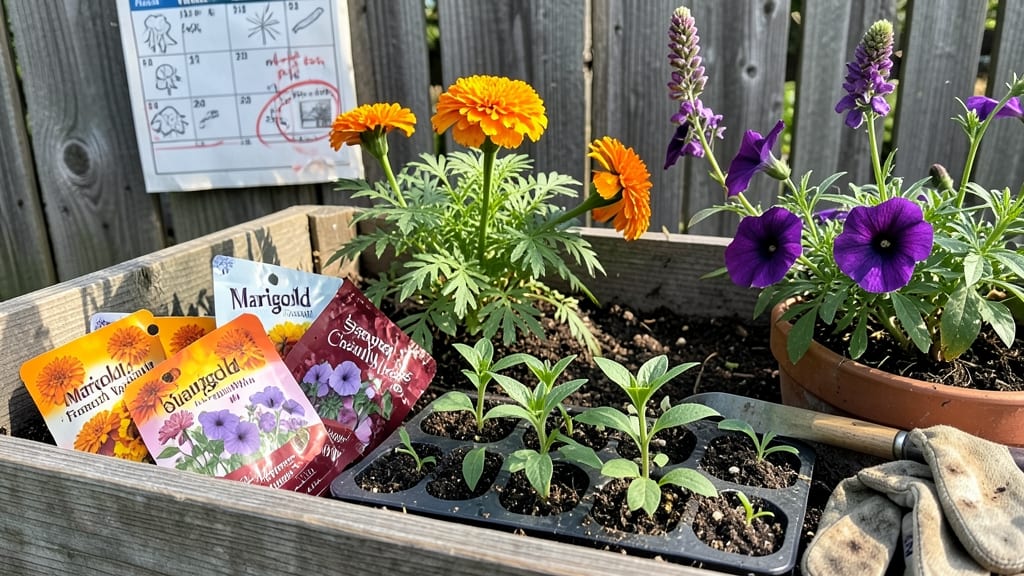
Timing your annuals planting in Pennsylvania’s Zone 6B can mean the difference between a garden bursting with color and one that never takes off. With last-frost dates slipping between early May and mid-June, knowing the exact window to plant your 🌱 favorites is crucial for success.
I’ve learned the hard way that planting too early risks frost damage, while waiting too long means missing the ideal growing season. Whether you’re dreaming of vibrant petunias or crisp lettuce, getting the timing right ensures your annuals thrive from spring through fall.
In this guide, I’ll break down the optimal planting deadlines for both cool-season and heat-loving annuals, so you can avoid common mistakes and extend your garden’s productivity. Let’s make sure your annuals get the perfect start!
From soil prep to post-planting care, I’ll share the strategies that work best in Pennsylvania’s climate—so you can enjoy a garden that blooms all season long.
Pennsylvania annual planting deadlines by last-frost date (zone 6B)
Pennsylvania’s Zone 6B climate means your last frost date typically falls between April 15 and May 15, but this can shift 2-3 weeks earlier or later depending on your region.
For cool-season annuals like pansies and snapdragons, I start planting 4-6 weeks before the average last frost—usually by mid-March. Warm-season favorites like marigolds and zinnias, however, need to wait until 2 weeks after the last frost to avoid frost damage.
To pinpoint your exact deadlines, check the PA State Climatologist’s frost maps or use your local Cooperative Extension office as a resource. Southern PA (like Philadelphia) often sees frost-free soil 1-2 weeks earlier than northern areas (like Erie).
Always monitor weekly weather forecasts in late April—those late-spring freezes can still sneak in and wipe out tender seedlings.
For succession planting, I make a habit of planting fast-growing annuals like basil and lettuce every 2-3 weeks through June. This ensures a continuous harvest while accounting for unpredictable weather patterns.
Even in Zone 6B, heat waves in July can stress some varieties, so I always have shade cloth ready for sensitive plants like impatiens.
🌱 Pennsylvania Annual Planting Timeline (Zone 6B)
| Planting Window | Cool-Season Annuals | Warm-Season Annuals | Frost Tolerance |
|---|---|---|---|
| Early March | Pansies, Snapdragons, Sweet Alyssum | None (too early) | ❄️ 25°F+ |
| Mid-April | Lettuce, Kale, Spinach | None (wait for soil warmth) | ❄️ 30°F+ |
| Late April (after last frost) | Calendula, Nasturtiums | Marigolds, Zinnias, Petunias | ❄️ 32°F+ |
| May-June (succession) | None (heat-sensitive) | Basil, Sunflowers, Vinca | ☀️ 50°F+ soil |
| PRO TIP: Test soil temp with a soil thermometer—warm-season plants need 60°F+ soil to thrive. | |||
If you’re starting seeds indoors, begin 6-8 weeks before your last frost date—typically by early February. I use grow lights to prevent leggy seedlings, and I always harden off seedlings for 7-10 days before transplanting.
For direct sowing, wait until the soil is at least 60°F—a simple trick is to press your hand into the soil for 5 seconds. If it’s comfortable, it’s ready!
For fall planting, I focus on cool-season annuals like cosmos and stock, which tolerate light frosts. These can be sown as early as late July in northern PA or early August in southern regions.
The key is to give them 6-8 weeks of growth before the first frost (usually October 15-November 1), so they bloom before winter sets in.
Don’t forget about microclimates—south-facing walls, raised beds, and containers warm up 2-3 weeks earlier than open ground. I always plant heat-loving annuals like portulaca and gaillardia in these spots first. Even in Zone 6B, these microclimates can push your planting window 10-14 days later than the average.
To track your local frost dates, I recommend using the Old Farmer’s Almanac or the National Weather Service’s climate data. These tools provide historical averages and 30-day forecasts to help you adjust your planting schedule.
For example, if the forecast predicts a late frost in early May, I delay planting tender annuals like geraniums until after May
How to extend your Pennsylvania planting season without risking frost
Pennsylvania’s Zone 6B climate offers a short but sweet growing season, but that doesn’t mean you’re stuck with a limited window for planting annuals. With the right techniques, you can push your planting dates 2-4 weeks later than the standard deadlines—without risking frost damage.
I’ve tested these strategies in my own garden, and they’ve helped me enjoy blooms and harvests well into late summer.
One of the easiest ways to extend your season is by using row covers or frost blankets. These lightweight fabrics trap heat during the day and protect plants from late frosts at night.
For example, I’ve successfully planted marigolds and cosmos in early May under row covers, giving them a head start before removing the covers once nighttime temperatures stay above 50°F.
Another game-changer is succession planting. Instead of planting all your seeds at once, stagger them every 2-3 weeks to ensure a continuous harvest or bloom. This works especially well for bush beans and zinnia, which thrive in warm soil.
By the time your first batch matures, the second planting is already established and ready to take over.
🌱 Pro Tip: For urban gardeners with limited space, consider container gardening with heat-tolerant annuals like lantana or portulaca. These plants handle heat and drought better than traditional annuals, making them ideal for late-season planting. Plus, you can move containers to sunnier spots as needed.
5 Ways to Extend Your Planting Season in PA
- Cold Frames: Build or buy a simple cold frame to protect seedlings from late frosts. Use clear plastic or glass to trap heat during the day.
- Row Covers: Lightweight fabric covers raise soil temperatures by 5-8°F, allowing earlier planting. Remove covers when plants are established.
- Succession Planting: Stagger plantings every 2-3 weeks for continuous blooms or harvests, like lettuce or basil.
- Heat-Tolerant Swaps: Replace frost-sensitive annuals with heat-lovers like celosia or sunflowers for late-season color.
- Mulching: Apply 2-3 inches of mulch to retain soil moisture and warmth, delaying the need to replant.
If you’re planting warm-season annuals like tomatoes or peppers, start them indoors 6-8 weeks before your last frost date. This gives them a head start and ensures they’re ready to transplant once the soil warms up.
I’ve had great success with this method, even in cooler years when the last frost hits late.
Don’t forget about microclimates—areas in your garden that stay warmer or cooler than the rest. A south-facing wall or sunny patio can create a microclimate where you can plant annuals 1-2 weeks earlier than the rest of your garden. Use these spots strategically to maximize your growing season.
Finally, keep an eye on your local frost forecast and be ready to act. If a late frost is predicted, cover your plants with a lightweight blanket or plastic sheet to protect them.
With these techniques, you’ll be able to enjoy a longer, more productive growing season—no matter how unpredictable Pennsylvania’s weather gets!