
Trees
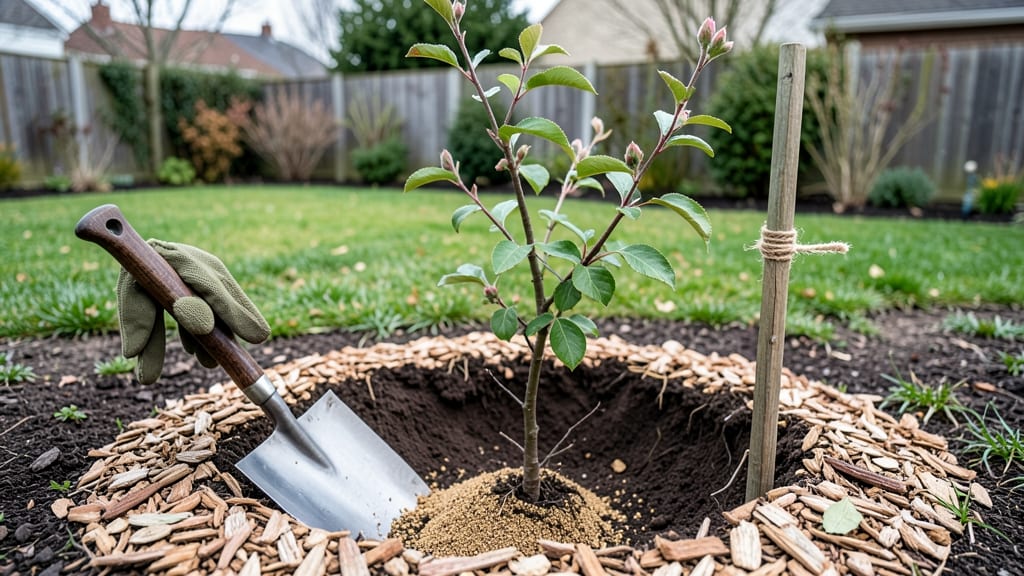
Planting an apple tree 🍎 in Iowa isn’t just about timing—it’s about giving your tree the best shot at thriving through 5a-5b winters and producing fruit for decades.
The wrong window could mean stunted growth or even winter dieback, but get it right, and you’ll set the stage for a harvest that’ll make your neighbors green with envy.
Most gardeners know spring is ideal, but fall planting offers cooler soil and fewer pests—both critical in Iowa’s variable climate. Whether you’re dropping a bare-root sapling in March or waiting for September’s crisp air, understanding your local frost dates and chill-hour needs is the key to success.
I’ve spent years watching apple trees 🍎 struggle (and succeed) in Iowa’s soil, and what I’ve learned will help you avoid common mistakes like planting too late in spring or ignoring soil pH. Let’s break down the exact windows, varieties, and prep work that’ll give your tree the strongest start possible.
Ready to plant with confidence? By the end, you’ll know exactly when to dig, which cultivars thrive in your zone, and how to protect your investment from Iowa’s infamous frost surprises. Your future harvest depends on getting this right—let’s make it easy.
Optimal planting windows in Iowa based on chill-hours and frost dates
Planting apple trees in Iowa requires timing that accounts for both chill-hour requirements and frost dates. Iowa’s USDA Zones 4-5 demand varieties needing 300–1,000+ chill hours, while frost-free windows vary by region—Des Moines averages 165 frost-free days, while Sioux City stretches to 180 days.
These factors dictate whether you’ll plant in early spring or fall.
Spring planting (March–April) is ideal for bare-root trees because soil thaws and roots establish before summer heat. Fall planting (September–October) works too, but you must plant 6–8 weeks before the first frost to allow roots to harden off. Both windows avoid Iowa’s late-spring frosts, which can damage new growth.
Iowa’s microclimates complicate timing. Northern Iowa (e.g., Dubuque) has shorter frost-free seasons, while southern Iowa (e.g., Ottumwa) offers longer growing periods. Always check your local last frost date—Iowa State University Extension provides county-specific frost charts to guide you.
For container-grown trees, plant anytime soil isn’t frozen, but spring still offers the best success. Containers warm faster, so avoid planting in late May when Iowa’s heat waves can shock roots.
If you miss spring, fall is your next best option—just ensure the tree’s roots have 4–6 weeks to establish before winter.
Here’s how Iowa’s chill-hour zones influence planting:
- Northern Iowa (Zone 4a): Prioritize high-chill varieties (600+ hours) like ‘McIntosh’ or ‘Cortland’.
- Central Iowa (Zone 4b): Moderate-chill varieties (400–600 hours) like ‘Honeycrisp’ thrive.
- Southern Iowa (Zone 5a):** Low-chill varieties (300–400 hours) like ‘Gala’ or ‘Fuji’ work best.
| Planting Window | Chill-Hour Range | Best Varieties | Iowa Region Fit | Key Consideration |
|---|---|---|---|---|
| Early Spring (March–April) | 300–1,000+ hours | Honeycrisp, Fuji, Jonathan | All regions | Avoid late frosts; water deeply |
| Fall (September–October) | 400–800 hours | McIntosh, Cortland, Gala | Zones 4b–5a | Plant before first frost; mulch heavily |
| Late Spring (May) | 500–1,000+ hours | Northern Spy, Rome | Zone 4a only | Risky; use containers for flexibility |
If you plant in fall, focus on root establishment—avoid fertilizing after August 1st to prevent late-season growth that’s vulnerable to frost. For spring plantings, apply a balanced fertilizer (10-10-10) in early April to kickstart growth.
Both methods require well-draining soil, so amend clay-heavy Iowa soils with compost or sand.
Pro tip: Use mulch (3–4 inches) to regulate soil temperature and retain moisture. In Iowa’s hot summers, mulch prevents roots from overheating, while in winter, it insulates against freeze-thaw cycles. Remove mulch in late winter to allow soil to warm for spring planting.
For urban gardeners, container planting extends flexibility—just ensure pots are at least 18 inches deep and use fast-draining mixes. Place containers in south-facing spots to maximize sunlight, critical for Iowa’s 6–8 hours of daily sun requirement. Monitor soil moisture closely, as containers dry out faster than ground soil.
Iowa’s variable weather means flexibility is key. If spring arrives late, don’t rush—wait until soil temperatures reach 45°F for 24 hours to plant. Similarly, if fall’s first frost sneaks up early, delay planting until next spring. Patience ensures your apple tree’s roots establish before Iowa’s harsh winters set in.
🌱
Optimal planting windows in Iowa based on chill-hours and frost dates
Iowa’s USDA Zones 4-5 demand precise timing for apple tree planting—too early and roots suffer from winter heaving, too late and the tree struggles to establish before frost.
The sweet spot? Early spring (March-April) or fall (September-October), when soil temps hover between 40-50°F and the tree can focus on root growth before dormancy.
Most Iowans default to spring planting, but fall offers cooler soil and fewer pests 🪱. The key is matching your chill-hour needs (300–1,000+ hours) to your region—northern Iowa (Zone 4) needs varieties with 800+ chill hours, while southern Iowa (Zone 5) can handle 500+ hours.
| Planting Window | Key Considerations | Iowa-Specific Tips |
|---|---|---|
| Early Spring (March-April) | Soil workable, minimal frost risk, rapid root establishment | Plant after last frost (April 15); use mulch 🌾 to protect roots |
| Fall (September-October) | Cooler soil, fewer pests, established roots before winter | Plant 6-8 weeks before first frost (Oct 15); water deeply before dormancy |
| Avoid Late Spring (May-June) | Limited root growth before summer heat; higher transplant shock | Risk of summer drought stress; only plant if using drip irrigation |
Regional frost dates vary wildly—Des Moines averages April 15 for last frost, while Sioux City can see frost into May. Check Iowa State University’s frost maps or use the 50°F soil thermometer rule to confirm planting readiness.
Pro tip: Bare-root trees planted in fall need 6-8 weeks to harden off before winter.
For container-grown trees, spring planting is safest—they establish roots faster but need consistent moisture during Iowa’s dry summers. If you’re in Zone 4, prioritize varieties like ‘Haralson’ (1,000+ chill hours) over ‘Gala’ (500+ hours), which may struggle in northern Iowa.
Timing isn’t just about months—it’s about soil conditions 🌱. Test your soil’s pH (aim for 6.0–6.5) and amend with lime or sulfur before planting. In clay-heavy Iowa soil, add compost to improve drainage. These steps make all the difference between a thriving tree and one fighting for survival.
Remember: The best planting window is when your soil is workable, not frozen, and your tree can establish roots before summer heat or winter freeze. For Iowa, that’s a narrow but critical window—don’t miss it!