
Plants
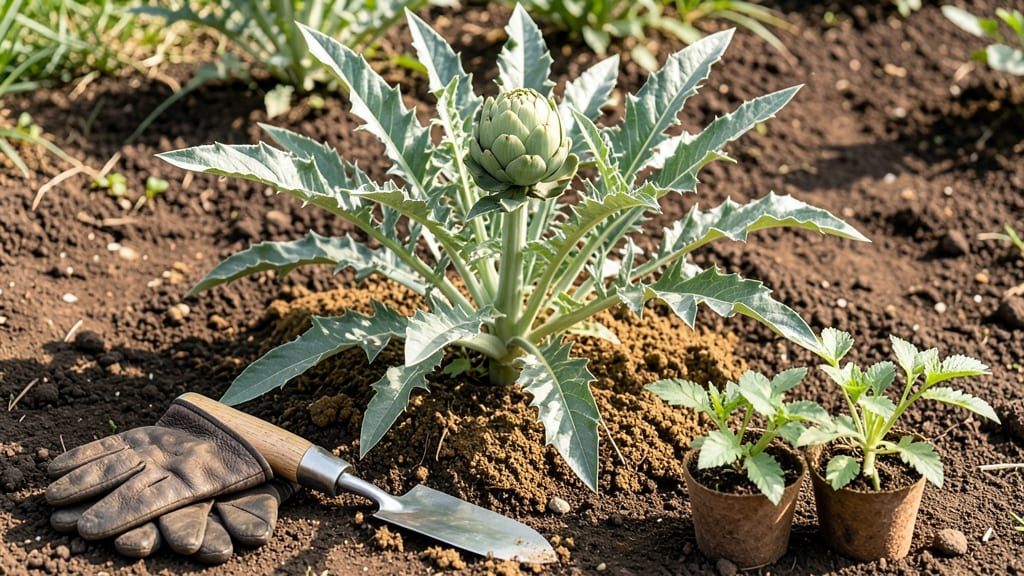
Planting artichokes at the wrong time in Zone 7 means watching your hard work wither before it even begins. The key to a thriving 🌱 harvest isn't just about soil or sunlight—it's about timing your plantings precisely around frost dates and soil warmth.
Most gardeners in Zone 7 make one of two mistakes: planting too early when frosts linger or waiting too long and missing the ideal window.
I’ve learned the hard way that artichokes need consistent warmth to germinate properly, and getting that timing right can mean the difference between a bountiful harvest and bitter disappointment.
In this guide, I’ll break down the exact weeks to plant artichokes in Zone 7—whether you’re starting from seeds or transplants—and how to prep your soil for maximum survival.
You’ll also discover how to extend the growing season with simple cold protection hacks, so your artichokes thrive even when temperatures dip.
Ready to avoid common pitfalls and grow artichokes like a pro? Let’s get started with the perfect planting schedule for your Zone 7 garden.

Optimal planting weeks for artichokes in Zone 7 (with frost survival guarantees)
Artichokes love Zone 7's warm springs but need precise timing to avoid frost damage. The key is planting 4-6 weeks before your last frost date—typically mid-March to early April in most of Zone 7.
This gives seedlings time to establish roots before temperatures stabilize above 60°F (15°C), their minimum germination threshold.
For transplants, aim for late March to mid-April—hardy varieties like 'Green Globe' can handle light frosts if soil stays above 50°F (10°C). Seedlings planted too early risk stunted growth from cold soil, while late plantings may not mature before first fall frosts in November.
Zone 7 spans diverse microclimates—Raleigh's last frost often hits March 15, while Atlanta's can linger until April 1. Use your local USDA frost calendar to adjust: subtract 6 weeks for seeds or 4 weeks for transplants.
For example, if your last frost is April 10, plant seeds by March 1.
Soil temperature matters more than air temperature. Use a soil thermometer to confirm 60°F (15°C)—cold soil delays germination by 1-2 weeks. If soil is too cool, try black plastic mulch or a cold frame to warm it faster.
Warm soil speeds up sprouting from 10-14 days to just 5-7 days.
| Planting Stage | Zone 7 Timeline | Soil Temp | Frost Risk |
|---|---|---|---|
| Seeds (Direct Sow) | Mid-March to early April | 60°F+ (15°C+) | Low (after last frost) |
| Transplants | Late March to mid-April | 55°F+ (13°C+) | Moderate (use row covers) |
| Fall Planting (Risky) | Late August (for harvest) | 70°F+ (21°C+) | High (early frost) |
🌱 Pro Tip: Start seeds indoors 8-10 weeks before last frost for earlier harvests.
Fall planting is not recommended in Zone 7 unless you're aiming for a late-summer harvest. Even then, plant by late August and use row covers to extend the season. Artichokes need 120-150 days to mature, so fall plantings rarely survive past October without protection.
Choose cold-hardy varieties like 'Green Globe' or 'Violetto' for Zone 7. These tolerate light frosts better than 'Imperial Star', which struggles below 55°F (13°C). Harden transplants by gradually exposing them to outdoor temps for 1-2 weeks before planting to reduce shock.
Mulch heavily with straw or leaves after planting to insulate roots. This keeps soil temps stable and reduces temperature swings that stress young plants. In urban areas (like Atlanta), heat islands can delay frosts—check microclimate data for your exact location.
Monitor your garden's frost-free days (typically 165 days in Zone 7). If your area has fewer than 140 days, opt for early-maturing varieties like 'Romanesco', which harvests in 90-100 days. Pair this with succession planting every 2-3 weeks for continuous harvests.
Remember: Timing is everything with artichokes. Plant too early, and you risk frost damage; too late, and you’ll miss the harvest window. Use these guidelines to sync your planting with Zone 7’s ideal 60-85°F (15-29°C) growing range for maximum yields.
Optimal planting weeks for artichokes in Zone 7 (with frost survival guarantees)
Artichokes in Zone 7 demand precision timing to avoid frost damage and ensure robust growth. The last average frost date for most of Zone 7 falls around April 15, but micro-climates like Atlanta or Raleigh may vary by 1-2 weeks.
Planting too early risks cold soil, while waiting too long cuts harvest potential.
For transplants, aim to plant 4-6 weeks before your last frost date—typically mid-March to early April. If starting from seeds indoors, begin them 8-10 weeks before transplanting (around mid-January) to give them a head start.
Seedlings need warmth to thrive, so use a heat mat if soil temps dip below 50°F.
| Stage | Zone 7 Timing | Key Notes |
|---|---|---|
| Indoor Seed Start | Mid-January | Use grow lights; keep soil at 70°F |
| Transplant Outdoors | Mid-March to Early April | Wait until soil reaches 60°F+ |
| Direct Sowing | Late April | Only for warm micro-climates; use row covers |
Zone 7’s sub-regions matter—Raleigh’s cooler nights may delay planting by 1-2 weeks compared to Atlanta. Check your local frost dates via the USDA Plant Hardiness Zone Map or your cooperative extension service.
For example, Green Globe artichokes tolerate light frosts better than Imperial Star, so adjust timing if early frosts are forecasted.
Soil temperature is critical: artichokes won’t germinate below 50°F. Use a soil thermometer to confirm readiness. If temps lag, warm soil with black plastic mulch laid 2 weeks before planting. This trick adds 5-10°F to soil warmth, accelerating growth and ensuring your 120-day harvest window stays on track.
Fall planting is tricky in Zone 7—artichokes need 90-120 days to mature, and first frosts hit by mid-November. Only attempt late summer starts (August) if your variety is cold-hardy (like Violetto) and you use row covers. Most gardeners skip fall planting to avoid bitter, underdeveloped buds.
Pro tip: Mark your planting dates on a calendar and set reminders for fertilizing (every 4-6 weeks with 5-10-10) and deep watering (every 3-5 days). Consistency here boosts yields by 30-40% in Zone 7’s humid summers. 🌱