
Plants
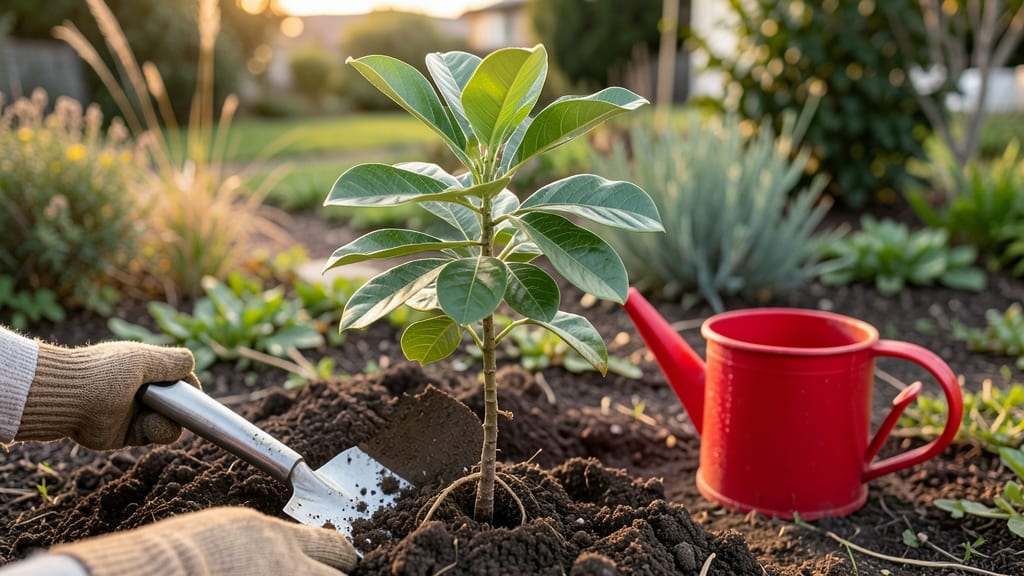
Planting an avocado 🥑 in the wrong soil at the wrong time can turn your dream of homegrown fruit into a sad, frost-bitten memory.
The key to success isn't just waiting for spring—it's understanding when your soil is warm enough, when the last frost has truly passed, and how your local climate zone affects timing.
In most of the U.S., including USDA Zone 6a, the ideal window opens in late spring after May, but container-grown avocados or nursery-bought trees might need a slightly different approach.
Whether you're starting from seed or transplanting a young tree, getting the timing right means the difference between a thriving plant and one that struggles to take root.
I’ll break down exactly when to plant based on your zone, how to prep your soil for maximum growth, and what to watch for to know if you’ve picked the perfect moment. Let’s make sure your avocado gets off to the best possible start.
From checking soil temperatures to adjusting for late frosts, these insights will help you avoid common mistakes and give your tree the care it needs to flourish. Ready to plant with confidence?
Best months to plant avocado trees by USDA climate Zones
Avocado trees (Persea americana) are tropical divas that demand precise timing to thrive in USDA Zones 8-11. Unlike hardy citrus, they cannot tolerate frost—even young trees—and their roots need warm soil to establish properly.
In Zone 8, where light frosts occur, timing is critical, while Zones 9-11 offer more flexibility but still require attention to microclimates like coastal vs. inland areas.
Your ideal planting window hinges on two factors: soil temperature (minimum 60°F/15°C) and the last frost date in your area. Container-grown avocados can be planted 1-2 months earlier than in-ground trees because their roots warm up faster.
Meanwhile, regional variations like California’s Mediterranean climate (cooler summers) vs. Florida’s humid subtropics (longer growing seasons) shift the calendar by 30-60 days.
Here’s your zone-by-zone breakdown, including container vs. in-ground adjustments and how to spot microclimate exceptions like urban heat islands or windy coastal areas.
| USDA Zone | Best Planting Months | Soil Temp Threshold | Container Adjustment | Regional Notes |
|---|---|---|---|---|
| Zone 8 | April–May (after last frost) | 60°F (15°C) | Plant containers 4–6 weeks earlier | California: Wait until May; Florida: March–April |
| Zone 9 | February–March or September–October | 60°F (15°C) | Containers: Year-round in mild winters | Arizona: Avoid summer planting (heat stress); Texas: September preferred |
| Zone 10 | January–February or August–September | 55°F (13°C) | Containers: Plant anytime with protection | Southern California: January; Florida: August–September (avoid hurricane season) |
| Zone 11 | Year-round (avoid rainy season) | 50°F (10°C) | Containers: Ideal for tropical areas | Hawaii: Plant after rains subside; Puerto Rico: December–February |
In Zone 8, where frosts linger until April or May, your last frost date is your best guide. Use a frost calendar from your local Cooperative Extension Service—these accounts for microclimates like urban areas that warm up faster.
For example, Los Angeles (Zone 10) can plant in January, while Phoenix (Zone 9b) waits until February to avoid 100°F+ soil, which burns roots.
Container-grown avocados are more forgiving because their potted soil warms up faster than in-ground beds. If you’re planting in containers, start 4–6 weeks earlier than the in-ground schedule above.
Move pots to sheltered spots at night if temperatures dip below 50°F (10°C). Pro tip: Use black pots—they absorb 10–15°F more heat than white or red containers.
Florida gardeners face a unique challenge: hurricane season (June–November) can delay planting. If you’re in Zone 10–11 and planting in summer, choose August–September to avoid storm damage and excessive humidity, which promotes root rot.
In contrast, California’s coastal zones (e.g., San Diego) can plant as early as January because ocean breezes moderate temperatures.
Microclimates can shift your planting window by weeks. For instance, a south-facing slope in Zone 9 may warm up enough for planting in January, while a north-facing yard might need to wait until March.
Test your soil with a soil thermometer—if it’s below 60°F (15°C), delay planting. Another trick: Mulch heavily (3–4 inches of wood chips) to retain heat in the root zone.
Nursery-bought avocados are hardier than seed-grown trees, so they can handle slightly cooler soil. If you’re transplanting a young tree, harden it off for 2–3 weeks before planting by gradually exposing it to outdoor conditions.
For seed-grown avocados, which take 5–13 years to bear fruit, plant them 1 month later than nursery trees to avoid transplant shock.
Remember: Avocados hate wet feet. If your area gets heavy rains during planting season (like Florida in June
How to prepare your soil and seedlings for planting success
Preparing your soil and seedlings is just as critical as choosing the right planting time. Avocados thrive in well-draining soil with a pH between 6.0 and 7.0. If your soil is heavy clay, amend it with compost or sand to improve drainage.
A soil test kit (available at garden centers) can help you adjust pH levels before planting.
For container-grown avocados, use a fast-draining potting mix with perlite or coco coir. Avoid garden soil, which compacts easily and suffocates roots. If planting in-ground, dig a hole twice as wide as the root ball but no deeper to prevent root rot from water pooling.
✅ Critical Pre-Planting Checklist
- Soil Test: pH 6.0–7.0, well-draining
- Amendments: Compost for nutrients, sand for clay
- Root Ball: Loosen roots if pot-bound
- Hardening Off: 7–10 days for nursery seedlings
- Avoid: Overwatering before transplanting
Pro Tip: Water seedlings deeply 24 hours before transplanting to reduce shock.
If you’re starting with a nursery-bought avocado, harden it off over 7–10 days by gradually exposing it to outdoor conditions. Place it in a shaded area for the first few days, then move it to direct sunlight for increasing durations. This mimics natural conditions and reduces transplant shock.
For seed-grown avocados, wait until the seedling develops 3–4 true leaves before transplanting. Seedlings are delicate, so handle them by the leaves, not the stem, to avoid damage. Plant them in small pots first, then move to larger containers or the ground after a few months.
One common mistake is planting too deep, which can suffocate the root collar (the area where the roots meet the stem). Ensure the top of the root ball sits 1–2 inches above soil level to prevent stem rot.
After planting, water deeply to settle the soil and remove air pockets around the roots.
Mulch around the base of your avocado with organic mulch like wood chips or straw to retain moisture and regulate soil temperature. Keep mulch 2–3 inches away from the trunk to avoid stem rot. This step is especially important in hot climates where soil can dry out quickly.