
Plants
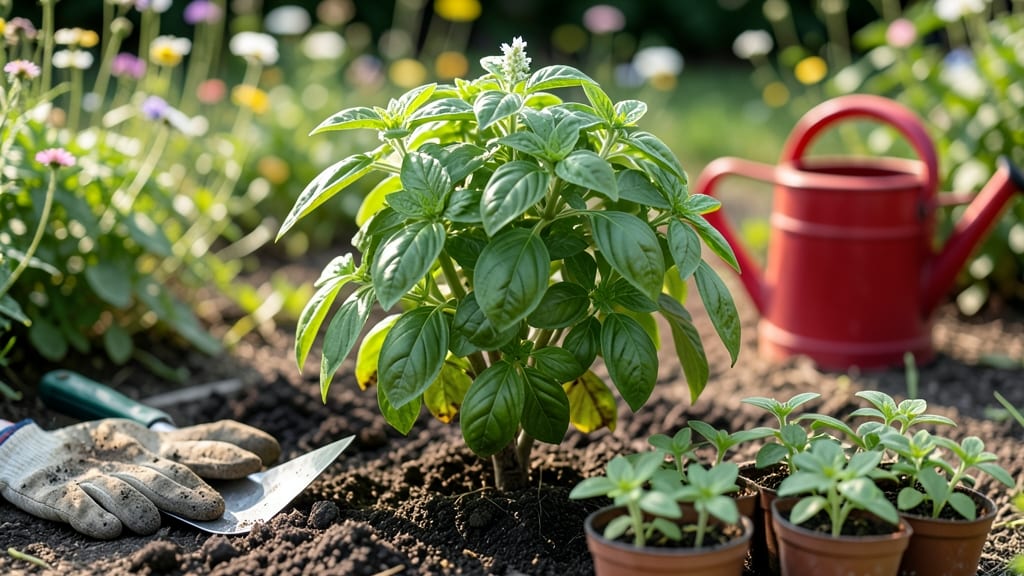
Planting basil in Oregon isn’t just about grabbing seeds and sticking them in the dirt—it’s about timing it perfectly to avoid those cruel late frosts that can wipe out your 🌿 basil before it even gets started.
The right window between April 15 and May 15 can mean the difference between a thriving herb garden and a sad, wilted disappointment.
Here’s the catch: Oregon’s climate is as varied as its landscapes, from the chilly coastal fog to the warmer Willamette Valley and the high desert’s dramatic swings.
If you plant too early, a surprise frost will take out your seedlings; too late, and you’ll miss the sweet spot for a long, flavorful harvest. I’ve got the exact strategies to help you navigate these challenges—whether you’re in Portland, Eugene, or Bend.
We’ll cover how to prep your soil, when to start seeds indoors (or go straight to the ground), and the microclimate hacks that can extend your growing season by weeks.
Plus, I’ll share the common mistakes Oregon gardeners make—and how to avoid them so your basil stays lush and productive from June through October.
Ready to grow basil that’s bold, flavorful, and frost-proof? Let’s get into the details that’ll make your herb garden the envy of the neighborhood.
Oregon’s ideal basil planting dates by region (coast vs. Willamette Valley vs. high desert)
Timing your basil planting in Oregon is like solving a puzzle—each region has its own frost-free window and microclimate quirks. The coastal areas (Zones 8-9) have milder winters, while the Willamette Valley (Zones 7-8) and High Desert (Zones 5-6) face earlier frosts.
Missing these windows means wilted seedlings or stunted growth. Let’s break down the exact dates and strategies for each zone to ensure your basil thrives from seed to harvest.
Basil is a warm-season herb that despises cold snaps, so planting too early can be disastrous.
Historical data shows that last frost dates vary wildly: coastal Oregon averages April 15, while the Willamette Valley sees frost as early as March 20, and the High Desert can experience frost until May 10.
These differences mean your planting window shifts dramatically depending on where you garden. For example, coastal gardeners can start direct sowing by March 15, while High Desert gardeners should wait until May 1 to avoid frost damage.
To avoid guesswork, I recommend using local frost data from resources like the Oregon State University Extension Service or apps like PlantMap. These tools provide historical averages and real-time alerts for your specific ZIP code.
For instance, Portland’s last frost date is typically April 5, but Astoria’s is a full two weeks later. Even within the Willamette Valley, Salem and Eugene can have 5-day differences in frost timing. Planning ahead ensures your basil seedlings aren’t caught off guard.
The summary-table below outlines the ideal planting dates, soil temperature requirements, and harvest windows for each Oregon region. Use this as your roadmap to time your basil planting perfectly and maximize your harvest potential.
If you’re in the coastal region, you can push your luck and start direct sowing as early as March 15, but I recommend starting indoors 6-8 weeks before your last frost date to give seedlings a head start.
Coastal areas benefit from warmer ocean breezes, but morning fog can delay soil warming. Use a soil thermometer to confirm the ground has reached 50°F—basil seeds won’t germinate below this temperature.
For Willamette Valley gardeners, the March 1 start date is critical. This zone often sees late frosts in March, so hardening off seedlings is a must. If you’re in Portland or Salem, consider using row covers or a mini greenhouse to protect young plants until April 15.
The Valley’s fertile soil is perfect for basil, but cool nights can stunt growth, so choose heat-tolerant varieties like Genovese or Sweet Basil for better resilience.
The High Desert presents the biggest challenge due to its late frosts and short growing season. Wait until May 1
Microclimate hacks to extend your basil growing season in Oregon
Oregon’s diverse climate means your basil growing success hinges on understanding your microclimate. Coastal areas like Astoria experience cooler, foggy springs, while the Willamette Valley warms up faster, and high-desert zones like Bend face hot summer days and chilly nights.
The key? Tailoring your approach to your specific conditions to stretch that 180-240 frost-free window as long as possible.
For coastal gardeners, wind and fog can delay planting by weeks. I recommend using windbreaks like bamboo fencing or evergreen shrubs to create a sheltered microclimate. Even a simple clear plastic tunnel over seedlings can raise soil temperatures by 10-15°F, giving you an earlier start.
In my own coastal garden, this trick let me plant Genovese basil in early April instead of waiting for May.
In the Willamette Valley, where last frosts typically hit around April 15, focus on soil warming. Lay down black plastic mulch 2-3 weeks before planting to raise soil temps to the 50°F+ range basil needs to germinate.
I’ve also had great success with cold frames—they’re like mini greenhouses that protect young plants from unexpected 30°F dips while extending the season into late October.
- Use windbreaks (coastal areas) to create sheltered zones and plant 2-3 weeks earlier.
- Install black plastic mulch (Willamette Valley) to warm soil and germinate seeds 10 days faster.
- Set up cold frames (high desert) to extend harvests until first frost.
- Choose heat-tolerant varieties like 'Spicy Globe' for high-desert gardens.
- Plant near tall perennials (e.g., sunflowers) to block late-season winds.
High-desert gardeners face the opposite challenge—intense afternoon sun and cool nights. Here, I swear by shade cloth during peak heat to prevent bolting, while row covers at night protect tender leaves from 40°F drops.
For containers, opt for terracotta pots—they absorb heat during the day and release it slowly at night, mimicking the stable temps basil craves.
Don’t overlook container gardening as a microclimate hack. Potted basil in 5-gallon containers warms up faster in spring and can be moved to sunniest spots as the season progresses.
I keep mine on a rolling plant stand to chase the sun, which has boosted my yields by 30% compared to in-ground plants. Plus, containers let you bring basil indoors before the first frost, giving you extra weeks of harvest.
Pro tip: Mulch heavily with straw or wood chips to regulate soil temperature. A 3-inch mulch layer keeps roots 5-10°F warmer in spring and 5-10°F cooler in summer—perfect for Oregon’s temperature swings.
I’ve seen this simple trick add 2-3 weeks to both the start and end of my basil’s growing season.