
Plants
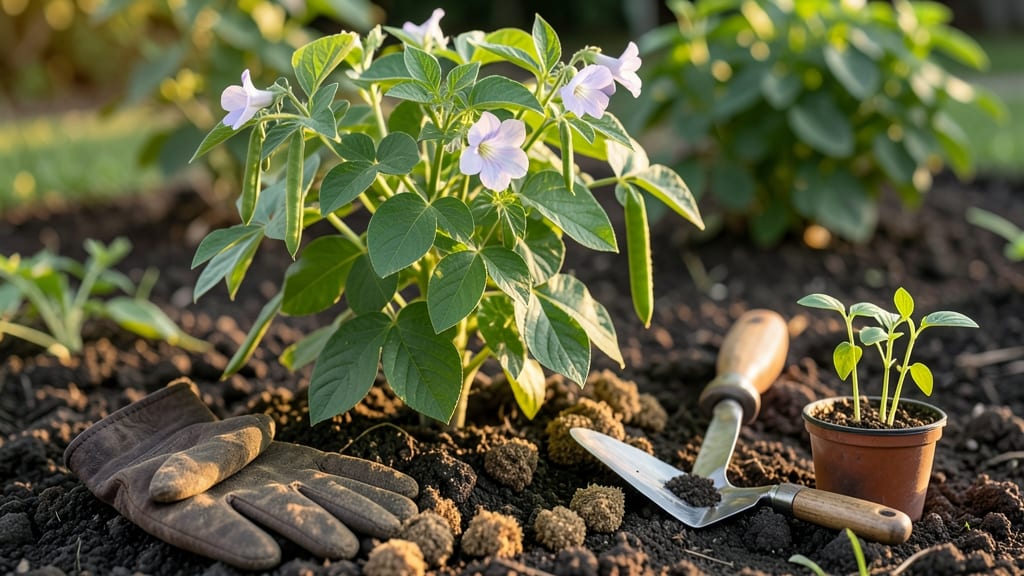
When to plant beans in Kentucky is the key to a bumper crop—timing your 🌱 just right means the difference between a thriving garden and a sad, frost-nipped disappointment. With USDA zones 6a-7b and unpredictable spring weather, planting too early can leave your plants vulnerable to late frosts, while waiting too long might mean summer heat arrives before your harvest.
Most Kentucky gardeners know the general rule—wait until after the last frost—but the real secret lies in matching your bean variety to your specific microclimate.
Whether you're growing bush beans that mature in 50 days or pole beans that climb all summer, getting the timing right ensures your plants have enough warmth to thrive before Kentucky's heat sets in.
I've learned from years of trial and error that the best window for planting beans 🌱 in Kentucky runs from mid-April through early June, but there's more to it than just dates.
Soil temperature, variety selection, and even companion planting can push your harvest window even further. Let me show you exactly how to time it perfectly for your garden.
From choosing the right varieties for your zone to extending your planting season with simple tricks, you'll discover how to maximize your bean harvest—no matter where in Kentucky you garden. Ready to turn your spring planting into a summer feast?
Kentucky’s frost-free dates by region for planting beans
Kentucky’s frost-free dates vary dramatically by region, and planting beans too early can mean frost damage or stunted growth. The state spans USDA Zones 6a-7b, but microclimates—especially in valleys and mountain areas—can shift your last frost date by weeks.
For example, Western Kentucky (Pennyrile region) often sees its last frost by March 20, while Eastern Kentucky (Appalachian foothills) may not reach frost-free conditions until May 1.
To avoid risking your bean harvest, I recommend waiting until the soil temperature consistently stays above 60°F—a critical threshold for germination. Use a soil thermometer to check, as surface temps can mislead you.
In Central Kentucky (including Louisville and Lexington), the average last frost date is April 15, but I’ve seen late frosts as late as May 5 in some years.
Here’s how to align your planting with Kentucky’s five key regions and their typical frost-free windows:
| Region | Last Frost Date | Safe Planting Window | Notes |
|---|---|---|---|
| Western KY (Pennyrile) | March 20–April 5 | April 1–April 15 | Warmest zone; plant early varieties first. |
| Central KY (Bluegrass) | April 1–April 15 | April 15–May 1 | Most consistent frost dates; ideal for succession planting. |
| Eastern KY (Appalachian) | April 15–May 1 | May 1–May 15 | Use row covers for early starts; late frosts common. |
| Northern KY (Cincinnati) | April 10–April 25 | April 25–May 10 | Urban areas may have microclimates; monitor local weather. |
| Southern KY (Jackson Purchase) | March 25–April 10 | April 1–April 20 | Early planting possible; watch for late cold snaps. |
For pole beans, which take longer to mature (60–70 days), I recommend planting in early May across most of Kentucky to ensure they reach harvest before first frost. Bush beans, with their 50–60 day maturity, can handle slightly earlier plantings—especially in Western Kentucky—but always have a backup plan for late frosts.
Pro tip: Kentucky’s Appalachian region often experiences late spring frosts in May. To hedge your bets, I plant 50% of my bush beans by May 1 and the rest by June 1 for a staggered harvest. This succession planting strategy works wonders for avoiding losses.
If you’re unsure about your local frost dates, check the National Weather Service’s Kentucky climate maps or use a frost calendar from your local Cooperative Extension office. For example, the University of Kentucky Extension provides hyper-localized frost data that accounts for elevation and soil type.
Remember, soil temperature matters more than air temperature. Even if the air is warm, cold soil can delay germination. I always test my soil with a soil thermometer—if it’s below 60°F, wait a few more days. Patience here pays off with stronger seedlings and higher yields.
For lima beans, which are even more sensitive to cold, I wait until mid-May in most of Kentucky. Their 75–90 day maturity means they need a long, frost-free season to thrive.
Planting them too early risks root rot from lingering damp soil, while planting too late may cut your harvest short.
🌱
Best bean varieties to plant in Kentucky and their ideal timing
Kentucky’s warm summers and variable springs make selecting the right bean varieties just as important as timing. Bush beans like 'Blue Lake' mature quickly (50-60 days), while pole beans such as 'Kentucky Wonder' take longer (60-70 days) but produce more. Lima beans like 'Fordhook' thrive in Kentucky’s heat but need a longer growing season (70-80 days).
Always check your last frost date—even the hardiest varieties need warm soil.
For early planting (March-April), opt for heat-tolerant varieties like 'Rattlesnake' beans, which handle Kentucky’s occasional late frosts better than others. Slow-germinating beans (e.g., 'Contender') should be started indoors 2-3 weeks before your last frost date to ensure they’re ready when soil warms to 60°F+. Succession planting is key—sow bush beans every 2 weeks through June for continuous harvests.
| Variety | Type | Days to Maturity | Planting Window | Notes |
|---|---|---|---|---|
| Blue Lake | Bush | 50-55 | April 15 - May 15 | Cold-tolerant; great for early harvests |
| Kentucky Wonder | Pole | 60-70 | May 1 - June 1 | Heat-loving; needs trellis |
| Rattlesnake | Pole | 65-75 | April 1 - May 10 | Drought-resistant; slow to germinate |
| Fordhook Lima | Bush | 70-80 | May 15 - June 15 | Needs warm soil; late summer harvest |
If you’re in Western Kentucky (warmer microclimates), you can push planting dates 2 weeks earlier than Eastern regions. Southern Kentucky gardeners might even try late July plantings for fall harvests, but use row covers to protect from early September frosts. Soil temperature is your best guide—wait until it consistently stays above 60°F for 10+ days before planting.
For container gardening, choose compact varieties like 'Mascotte' (bush) or 'Blue Lake' (pole), which thrive in 5-gallon pots with adequate trellising. Companion planting with corn or cucumbers improves growth, while avoiding onion family plants prevents stunted bean production.
Always rotate crops yearly to prevent soil-borne diseases like bean mosaic virus, common in Kentucky’s humid climate.
Pro tip: Mark your calendar for June 15—this is the last safe date to plant bush beans for a summer harvest. Pole beans planted after this may not mature before Kentucky’s first frost in late October. Save seeds from your best-performing plants to create a Kentucky-adapted bean strain over time!
Remember, soil prep matters just as much as timing.
Amend your garden beds with compost or aged manure 2-3 weeks before planting to ensure nitrogen-rich soil, which beans crave for lush foliage and high yields. Mulch heavily after planting to retain moisture and regulate soil temperature—critical in Kentucky’s hot summers and unpredictable springs.