
Plants
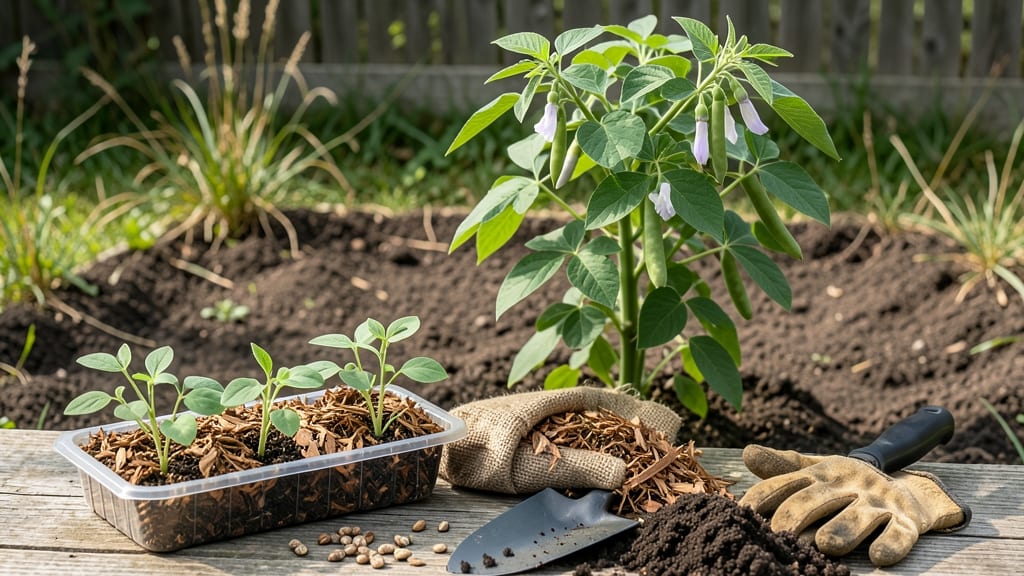
Planting beans at the wrong time in Zone 6 can mean the difference between a bountiful harvest and wasted effort. Cold soil stalls germination, while waiting too long risks stunted growth or even bolting before you get a chance to enjoy those fresh pods.
If you're eager to grow 🌱 beans this season, timing is everything—and I've got the exact windows you need for Zone 6 (6a-6b). Whether you're planting bush beans for quick harvests or pole beans for a vertical garden, knowing when to start ensures healthy, productive plants from July through September.
The key is waiting until after your last frost (around April 15 in most of Zone 6) and when soil temperatures consistently hit 60°F. But there's more to it than just dates—soil prep, variety choices, and even succession planting can extend your harvest well into summer.
Let me walk you through the perfect planting schedule, plus pro tips to maximize your yield. Ready to grow beans like a pro? Let's get started.

Optimal planting windows for beans in Zone 6 by variety type
Beans thrive in Zone 6 when planted at the right time, but the exact window depends on your variety type—whether you're growing bush beans, pole beans, or snap peas.
Each type has unique needs, from soil warmth to frost sensitivity. Let’s break it down so you can align your planting schedule with peak success.
For bush beans (like Blue Lake or Kentucky Wonder), aim to plant 2-3 weeks after your last frost date. In most of Zone 6, this lands between mid-April and early May.
These compact plants grow quickly—50-60 days to harvest—so timing is critical to avoid bolting (flowering too soon).
Pole beans (e.g., Rattlesnake or Kentucky Blue) need a slightly longer season. Plant them 1-2 weeks after bush beans, typically late May to early June. Their 60-70-day maturity gives them time to climb trellises and produce pods later in the season.
If you miss this window, try succession planting in early July for a fall harvest.
Snap peas (like Sugar Snap or Oregon Sugar Pod) are the most frost-tolerant option. You can plant them 2-3 weeks before your last frost (early April) or again in late July for a fall crop.
Their 55-65-day harvest window makes them versatile for both early spring and late summer plantings.
| Variety Type | Zone 6 Planting Window | Soil Temp Requirement | Days to Harvest | Key Notes |
|---|---|---|---|---|
| Bush Beans | Mid-April to early May | 50-60°F (10-15°C) | 50-60 days | Plant after last frost; avoid cold soil. |
| Pole Beans | Late May to early June | 60-65°F (15-18°C) | 60-70 days | Needs trellis; plant later for longer season. |
| Snap Peas | Early April or late July | 45-50°F (7-10°C) | 55-65 days | Frost-tolerant; great for early/late crops. |
Soil temperature is your biggest indicator for planting beans. Use a soil thermometer to confirm the ground has warmed to at least 50°F (10°C) for bush beans or 60°F (15°C) for pole beans. Cold soil delays germination and can lead to damping off, a fungal disease that kills seedlings.
If you’re unsure about your last frost date, check your local USDA Plant Hardiness Zone Map or use a frost calendar from your state’s extension service.
For example, in Chicago (Zone 6a), the average last frost is April 20, while in Raleigh (Zone 6b), it’s April 15. Adjust accordingly!
Pro tip: Warm the soil faster by covering it with black plastic mulch 1-2 weeks before planting. This raises temperatures by 5-10°F, giving you an earlier start. Just remove the plastic right before sowing to avoid overheating the seeds.
For a continuous harvest, stagger your plantings every 2 weeks from late April through early June. This ensures you’re always picking fresh pods instead of facing a one-time glut that spoils before you can enjoy it.
Remember, beans are warm-season crops, so avoid planting them in fall unless you’re growing cold-hardy varieties like Wax Beans or Black Valentine. Even then, aim for late July plantings to give them time to mature before frost.
Now that you’ve got your planting windows locked in, let’s dive into the 5 key factors that fine-tune your exact dates—because every garden has its own quirks! 🌱
Optimal planting windows for beans in Zone 6 by variety type
Beans thrive in Zone 6 when planted after the last frost, but the exact timing depends on whether you're growing bush beans, pole beans, or snap peas.
Each variety has unique needs, from soil temperature preferences to ideal spacing. Let's break down the best windows for each type to ensure reliable germination and maximum yields.
For bush beans, aim to plant between April 15 and May 15—this gives them enough time to mature before summer heat sets in. These compact plants (1-3 feet tall) grow quickly, so early planting is key.
If you wait until June, you risk bolting before harvest. Pole beans, on the other hand, need more time to climb and produce pods, so plant them between May 1 and June 1 for a late-summer harvest.
🌱
| Variety | Planting Window | Soil Temp | Days to Harvest | Notes |
|---|---|---|---|---|
| Bush Beans | April 15–May 15 | 60–65°F | 50–60 days | Compact, no trellis needed |
| Pole Beans | May 1–June 1 | 65–70°F | 60–75 days | Requires trellis; longer harvest |
| Snap Peas | April 1–May 10 | 50–55°F | 60–70 days | Cold-hardy; plant early |
If you're growing snap peas, you can plant them as early as April 1, even before the last frost, since they tolerate cooler soil. These cool-season lovers thrive in 50–55°F soil and often produce pods faster than beans.
For all varieties, avoid planting after June 15—the heat will cause beans to bolt (flower prematurely) before you can harvest.
Pro tip: Use a soil thermometer to confirm temperatures before planting. Beans won’t germinate well in soil below 60°F, even if frost risk has passed. If your soil is still cold, wait a few more days or use black plastic mulch to warm it up faster.
For pole beans, don’t forget to install your trellis before planting—these vining plants need support to climb. A sturdy 6-foot trellis or fence works well, and it’ll save space in your garden.
Plant seeds 1 inch deep and 4–6 inches apart, with rows spaced 18–24 inches apart for airflow.
Finally, if you’re in Zone 6a (colder end of the zone), push planting dates back by 1–2 weeks to account for later frosts. Always check your local last frost date—it can vary by 10–14 days even within the same zone. 🌿