
Plants
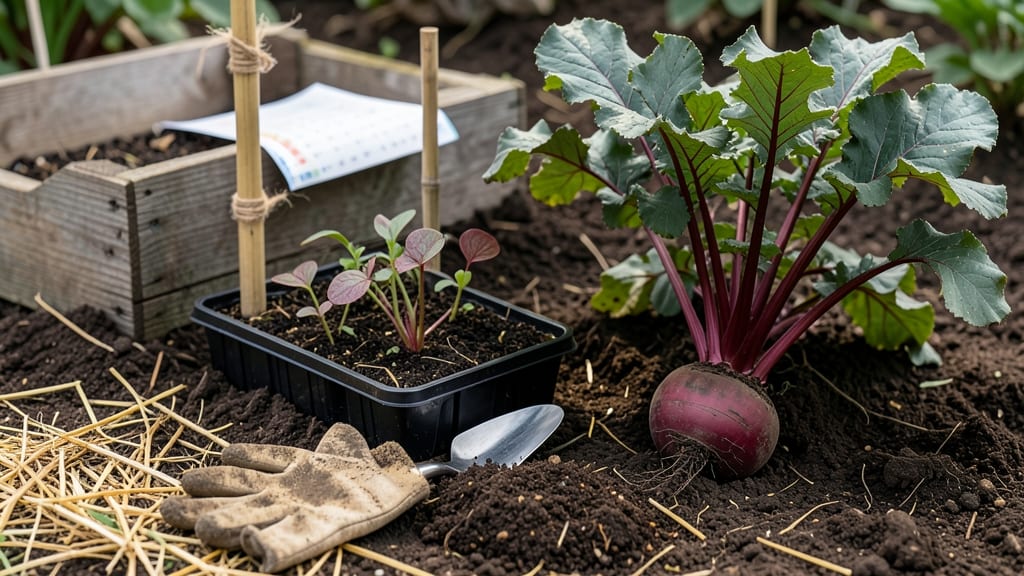
Planting beets at the wrong time in Zone 7a can turn your crisp, sweet harvest into tough, woody roots—no one wants that! The secret to perfect 🍠 lies in knowing exactly when to plant for your region’s unique climate.
In Zone 7a, you’ve got two prime windows: early spring (March–April) or late summer (August–September). These timing tricks prevent bolting and ensure tender roots by harvest season. Let’s break down the best weeks before your last frost for foolproof results.
Why does timing matter so much? Beets thrive in cooler weather, but heat stress makes them bolt or develop bitter flavors. I’ll show you how to adjust for Zone 7a’s heat spikes and frost risks—so you can enjoy harvests from May to November.
Whether you’re a beginner or a seasoned gardener, these exact planting strategies will help you avoid common mistakes. Ready to grow beets that taste as good as they look? Let’s get started.

Best planting windows for beets in Zone 7a: exact weeks before last frost
In Zone 7a, where last frosts average around March 15, timing your beet planting is critical. Beets grow best in cooler temperatures (50-75°F), making early spring and late summer the ideal windows.
Planting too early risks frost damage, while waiting too long can trigger bolting (flowering) or woody roots.
For spring plantings, aim to sow seeds 4-6 weeks before your last frost. In Zone 7a, that means mid-to-late February if you're using row covers or early March for direct sowing.
Beets mature in 50-70 days, so spring plantings should finish by late May to avoid summer heat stress.
🌱 Zone 7a Beet Planting Summary
| Planting Window | Best Time | Harvest Window | Key Notes |
|---|---|---|---|
| Early Spring | Mid-February to early March | Late May to early June | Use row covers for early starts; avoid frost |
| Late Summer | Mid-August to early September | October to November | Choose heat-tolerant varieties; harvest before frost |
| Succession Planting | Every 2-3 weeks (March-May, Aug-Sept) | Staggered harvests | Ensures continuous supply; thin seedlings promptly |
For fall plantings, start seeds 8-10 weeks before your first frost (around mid-August in Zone 7a). This gives beets time to mature before temperatures drop below 30°F. Use heat-tolerant varieties like 'Detroit Dark Red' or 'Golden' to handle late-summer heat.
Succession planting is key for continuous harvests. Sow new seeds every 2-3 weeks from March through May and August through September. This prevents gluts and ensures fresh, tender beets all season. Space seeds 1-2 inches apart and thin to 3-4 inches when seedlings are 2 inches tall.
Zone 7a’s microclimates can shift planting windows by weeks. If your garden sits in a warmer microclimate (e.g., near pavement), plant 2 weeks later than average. Conversely, cooler spots (e.g., near water features) can handle earlier plantings. Monitor local soil temperatures—beets germinate best in 50-70°F soil.
Always check your local frost dates using resources like the USDA Plant Hardiness Zone Map or your local cooperative extension service. These dates can vary by 1-2 weeks even within Zone 7a. Adjust your planting schedule accordingly to avoid frost damage or heat stress.
Pro tip: Use biodegradable pots for early starts. Plant them directly into the soil after the last frost to avoid transplant shock. This method also helps warm the soil faster in cooler springs, giving seeds a head start.
Finally, mulch heavily after planting to retain moisture and regulate soil temperature. Straw or shredded leaves work well, keeping roots cool in summer and insulated in fall. This simple step can extend your harvest by 2-3 weeks in both seasons.
Best planting windows for beets in Zone 7a: exact weeks before last frost
Zone 7a’s last average frost date is around March 15, but your exact timing depends on microclimates. For spring plantings, aim to sow seeds 4-6 weeks before your last frost—typically late February to early March. This gives seedlings enough time to mature before summer heat arrives.
In fall, plant 8-10 weeks before your first frost (around October 15), so roots mature before cold sets in. Miss these windows, and you risk bolting (premature flowering) or woody roots from heat stress.
Here’s how to calculate your exact planting dates: Subtract 50-60 days (beets’ average maturity) from your last frost date. For Zone 7a, that’s January 15–February 15 for spring and August 15–September 15 for fall.
| Planting Window | Ideal Months | Days to Maturity | Notes |
|---|---|---|---|
| Early Spring | Late February–Early March | 50–60 days | Use row covers for frost protection. |
| Late Summer | Mid-August–Early September | 50–60 days | Prioritize heat-tolerant varieties. |
| Succession Planting | Every 2–3 weeks | 50–60 days | Extend harvests with staggered sowings. |
For succession planting, sow new seeds every 2–3 weeks after your initial planting. This ensures a continuous harvest from spring through fall. In Zone 7a, you can even squeeze in a third planting in early July for a late-summer harvest.
Pro tip: Use black plastic mulch in summer to keep soil cool and retain moisture, which helps prevent bolting. This is especially helpful in Zone 7a’s hot summers when temperatures can spike above 90°F.
If you’re unsure about your last frost date, check your local USDA Plant Hardiness Zone Map or ask your local Cooperative Extension Service. They can provide hyper-localized advice tailored to your specific area in Zone 7a.