
Plants
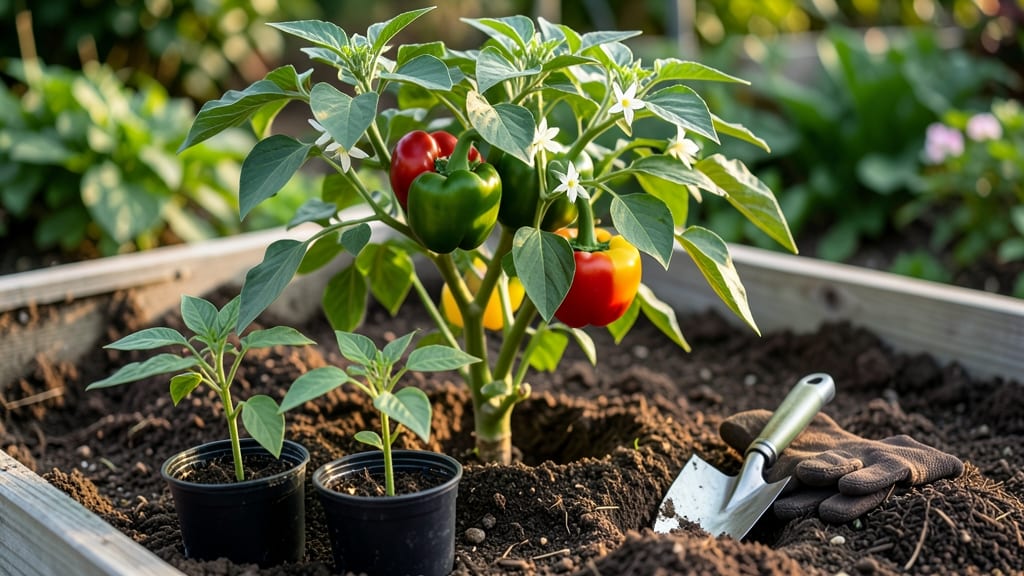
Planting your 🌶️ bell peppers at the wrong time in Oklahoma can mean the difference between a bumper crop and a sad, wilted garden. The key to success isn’t just waiting for spring—it’s knowing exactly when your soil reaches that critical 60°F warmth that triggers fast germination and strong starts.
With Oklahoma’s USDA zones 6b-8a and unpredictable weather, timing matters more than you might think. Whether you’re in central Oklahoma’s 7a-7b zone or further north, planting too early can leave your peppers struggling in cool soil, while waiting too long might cut your harvest short before the first frost.
I’ve tested the best strategies for Oklahoma gardens, from using black plastic mulch to extend the season to choosing heat-tolerant varieties that thrive in our summer heat. Let me show you exactly when to plant for fast, reliable germination—and how to give your peppers the best possible start.
Ready to grow more peppers than ever? The secret starts with the right planting window—and I’ll break it all down for you, step by step.
Optimal planting dates for bell peppers in Oklahoma based on microclimates
Oklahoma’s diverse microclimates mean your neighbors might be harvesting peppers while yours are still struggling to sprout. The key? Planting when soil temperatures hit 55°F+ for germination and 65°F+ for growth.
In most of Oklahoma, this falls between mid-April and mid-June, but timing shifts dramatically between North, Central, and South regions.
For Northern Oklahoma (USDA Zone 6b), like Oklahoma City, aim for April 20–May 10 after the last frost (typically April 15). In Central Oklahoma (Zone 7a-7b), you can start 1–2 weeks earlier, around April 10–May 1.
Meanwhile, Southern Oklahoma (Zone 8a), including Tulsa and Lawton, enjoys a longer season—plant from March 20–April 30.
Here’s the critical catch: High-altitude areas (like Oklahoma City’s 1,400-foot elevation) experience cooler soils longer than lower elevations. Use a soil thermometer to confirm readiness—55°F+ at 2-inch depth is your green light.
In Tulsa’s flatter terrain, soils warm faster, so you can plant 10–14 days earlier than in the Panhandle.
Black plastic mulch can shave 1–2 weeks off your planting window by warming soil 10–15°F faster than bare earth. Lay it down 1–2 weeks before planting to jumpstart germination. Pair this with row covers for an extra 2–3°F boost in cooler pockets of Northwest Oklahoma.
Pro tip: Transplant seedlings (started indoors 8–10 weeks early) to avoid rushing the season. Harden them off for 7–10 days before setting them out after May 1 in Northern OK or April 15 in the South. This strategy lets you stretch your harvest into October before the first frost.
Miss the spring window? Oklahoma’s long, hot summers allow for a second planting in late June for a fall harvest. Just ensure soil stays above 65°F and mulch heavily to retain moisture.
In Southern Oklahoma, you might even squeeze in a third planting by July 15 for a winter greenhouse harvest.
🌱
| Region | USDA Zone | Last Frost Date | Optimal Planting Window | Soil Temp Trigger | Notes |
|---|---|---|---|---|---|
| Northern OK (Oklahoma City, Woodward) | 6b | April 15 | April 20–May 10 | 55°F+ (2-inch depth) | Use row covers; high altitude delays warming. |
| Central OK (Oklahoma City, Tulsa, Stillwater) | 7a-7b | April 1–April 15 | April 10–May 1 | 55°F+ (2-inch depth) | Black plastic mulch speeds up soil warming. |
| Southern OK (Tulsa, Lawton, Altus) | 8a | March 15–March 30 | March 20–April 30 | 50°F+ (earlier germination) | Longer season; consider fall planting. |
| Panhandle (Amarillo, Guymon) | 6a-6b | April 20 | May 1–May 15 | 60°F+ (dry climate) | Drought-tolerant varieties recommended. |
Don’t let false springs fool you—Oklahoma’s weather can swing from freezing nights to 90°F heat in a week. Monitor 10-day forecasts and keep frost cloth handy for late-April plantings in Northern OK. If temperatures dip below 50°F after planting, cover seedlings immediately to prevent stunted growth.
For container gardening, start 2 weeks later than in-ground plantings since pots cool faster. Use 5-gallon containers with well-draining soil and place them in south-facing spots to maximize warmth. In Tulsa’s urban heat islands, containers can germinate 3–5 days faster than in-ground beds.
Track your local frost-free days—Oklahoma averages 180–220 days—to plan for a fall harvest
How to test soil warmth and extend the bell pepper growing season
Testing your soil’s warmth before planting bell peppers is the single most important step to avoid slow germination or leggy seedlings. In Oklahoma, cool spring nights can keep soil below the ideal 60°F threshold for weeks after the last frost—even when air temperatures feel warm.
I’ve learned the hard way that planting too early in 55°F soil can delay germination by 2+ weeks, cutting your harvest short.
Start by checking soil temperatures at least 3 days in a row before planting. Use a soil thermometer (not an air thermometer!) and measure 2-3 inches deep—this is where your pepper seeds will be.
For best results, test in the late afternoon when soil is warmest. If temperatures dip below 60°F consistently, delay planting or use season-extending tricks to warm the soil faster.
🌱 Step-by-Step: How to Test Soil Warmth for Bell Peppers
- Step 1: Purchase a soil thermometer (digital or dial) for $10–$15.
- Step 2: Insert probe 2–3 inches deep in your garden bed.
- Step 3: Check temps 3x/day for 3 days (morning, noon, evening).
- Step 4: Aim for 60°F+ for germination; 65°F+ for strong growth.
- Step 5: If too cool, use black plastic mulch or wait 1–2 weeks.
If your soil is too cool to plant directly, don’t panic—there are three proven ways to extend your bell pepper season in Oklahoma. My top method? Black plastic mulch, which can raise soil temps by 5–10°F within days.
Simply lay the mulch down 2–3 weeks before planting and cut X-shaped holes for your seedlings. This trick lets me plant 2–3 weeks earlier in northern Oklahoma without risking cold damage.
Another game-changer is transplanting seedlings from an indoor start. Begin seeds indoors 8–10 weeks before your last frost date (early February for most of Oklahoma) using grow lights or a sunny windowsill.
Harden off seedlings for 7–10 days before transplanting into the garden. This method guarantees strong, soil-warmth-ready plants that hit the ground running—even in cooler microclimates.
For gardeners in higher-altitude areas like Oklahoma City (USDA Zone 7a), consider using row covers or cold frames to create a microclimate. These can add 5–8°F of warmth and protect young plants from late frosts.
I’ve successfully grown bell peppers in April using a simple hoop tunnel covered with frost cloth, shaving 3–4 weeks off the traditional planting window.
Remember: Slow germination is the #1 sign your soil is too cool. If seeds take longer than 14–21 days to sprout, your soil likely needs more warmth. Adjust your planting timeline or use heat mats (available at garden centers) under seed trays for an extra boost.
With these tricks, you can extend your Oklahoma bell pepper season by up to 6 weeks—giving you more time for a bountiful harvest before the first frost.