
Plants
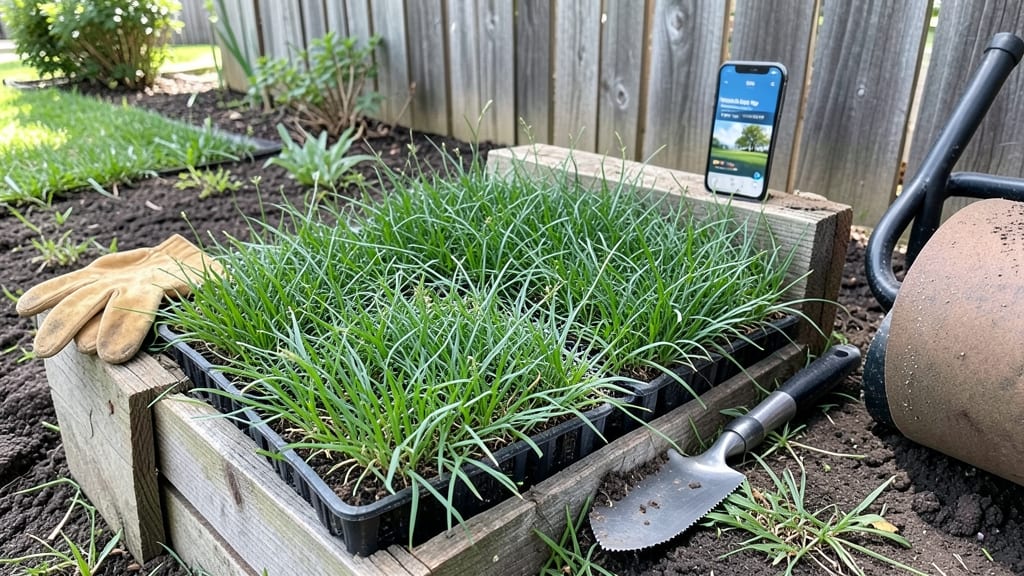
Planting Bermuda grass in Oklahoma isn't just about timing—it's about catching that perfect window when soil warmth and weather align for fast establishment. Miss the mark, and you'll face slow growth or weeds taking over before your lawn even gets a chance to thrive.
With Oklahoma's 6a-7b climate, late April through early June is your best bet for spring planting, while fall offers another shot in late August to early September.
But here's the secret: success hinges on waiting until soil temperatures hit 70°F or warmer at 4 inches deep—a critical trigger for germination.
Why does this matter? Bermuda grass is tough but needs the right conditions to spread aggressively. Plant too early, and cool-season weeds steal the show. Too late, and summer heat can stress young seedlings before they establish roots.
I'll walk you through how to test soil warmth, prepare Oklahoma's unique soil, and leverage Bermuda's growth habits for a lawn that stays lush even through droughts. Let's get your grass growing faster than ever.
Bermuda grass planting timeline in Oklahoma: soil temperature rules to follow
Bermuda grass thrives in Oklahoma’s heat, but timing your planting is everything. The optimal window runs from late April through early June, when soil temperatures consistently hit 70°F at 4-inch depth.
Planting too early risks frost damage, while waiting too long may invite weeds or stress seedlings before summer’s peak growth.
For fall planting, aim for late August to early September—this gives seedlings time to establish before cooler weather sets in.
Oklahoma’s USDA zones 6a–7b mean microclimates vary: northern areas like Oklahoma City may need to wait until mid-May, while southern regions like Tulsa can start as early as late April.
Use a soil thermometer to check depth—Bermuda grass seeds need warmth to germinate. If your soil is below 65°F, wait 1–2 weeks for faster sprouting. Pro tip: Morning sunlight warms soil faster than afternoon heat, so plant on clear days for an extra boost.
Here’s how Oklahoma’s climate affects your timing:
| Planting Window | Soil Temp Requirement | Oklahoma Region | Risk if Too Early |
|---|---|---|---|
| Late April–Early June | 70°F+ at 4" | North OK (e.g., OKC) | Frost damage |
| Late August–Early Sept | 65°F+ at 4" | South OK (e.g., Tulsa) | Weed competition |
| Mid-May–June 15 | 75°F+ at 4" | Western OK (e.g., Lawton) | Slow germination |
Bermuda grass spreads aggressively once established, but seedlings need consistent warmth to outcompete weeds. In Oklahoma’s drought-prone summers, planting in spring ensures the grass has 3–4 months to root deeply before heat stress sets in. Fall plantings, meanwhile, benefit from cooler temps and higher humidity, reducing watering needs.
If you’re using sod instead of seed, the rules shift slightly: sod can handle slightly cooler soil (60°F+) but still needs full sun for recovery.
For hybrid Bermuda varieties (like Tifway 419), aim for May 1–June 15—these types establish faster in Oklahoma’s heat but require more frequent watering during establishment.
Watch for last frost dates in your area—most of Oklahoma sees its final frost by March 15, but northern counties may experience late frosts into April.
Planting 4–6 weeks after the last frost gives seedlings a head start, but don’t rush: cool soil slows germination, leaving your lawn vulnerable to crabgrass and other weeds.
For fastest results, pair planting with pre-emergent herbicide (applied 2 weeks before seeding) to block weeds. In Oklahoma’s clay-heavy soils, tilling to 6 inches deep before planting improves drainage and root penetration. Mulch lightly with straw to retain moisture without smothering seedlings.
Remember: Bermuda grass goes dormant in winter, so fall plantings give it a 6–8 week head start before dormancy. Use this time to fertilize lightly (with high-nitrogen like 16-4-8) to encourage root growth before the first frost.
With the right timing, your lawn will outperform weeds and handle Oklahoma’s 100°F+ summers like a pro.
How to prepare Oklahoma soil for Bermuda grass: 5 critical pre-planting steps
Before planting Bermuda grass in Oklahoma, your soil needs a perfect foundation—think of it as setting the stage for a high-energy lawn.
The state’s mix of clay-heavy soils in the north and sandy loams in the south demands specific prep to ensure your grass takes root quickly and spreads aggressively.
Start by testing your soil’s pH level—Bermuda thrives in a 6.0 to 7.0 range. If your soil is too acidic (common in Oklahoma’s clay soils), add lime 2-3 months before planting. For sandy soils, incorporate compost or peat moss to improve water retention without suffocating roots.
Next, focus on drainage. Bermuda grass hates soggy conditions, so break up compacted soil with a garden fork or till to a depth of 6 inches. If your yard has poor drainage, consider amending with gypsum (especially in clay-heavy areas) to loosen the soil structure over time.
🌱 5 Critical Pre-Planting Steps for Oklahoma Bermuda Grass
- Test Soil pH (6.0–7.0) using a home test kit or lab analysis. Adjust with lime or sulfur as needed.
- Loosen compacted soil to 6 inches deep with a garden fork or tiller to improve root penetration.
- Add organic matter: Mix in 1–2 inches of compost or peat moss for sandy soils; use gypsum for clay.
- Apply pre-emergent herbicide 2 weeks before planting to block weeds without harming Bermuda seedlings.
- Level the ground with a rake to create a smooth surface for even seed distribution or sod laying.
Don’t overlook weed control—apply a pre-emergent herbicide 2 weeks before planting to stop weeds from competing with your new grass. Just be sure to choose a product labeled safe for warm-season grasses like Bermuda.
Finally, level the ground with a rake to create a smooth surface. Bermuda grass spreads quickly, so a flat area ensures even growth and easier mowing. For best results, plant seeds or sod when the soil is warm and moist—ideally after a light rain or thorough watering.
With these steps, your Oklahoma soil will be ready to support fast-growing Bermuda grass that outcompetes weeds and thrives in the heat. Your lawn’s success starts here! 🌿