
Plants
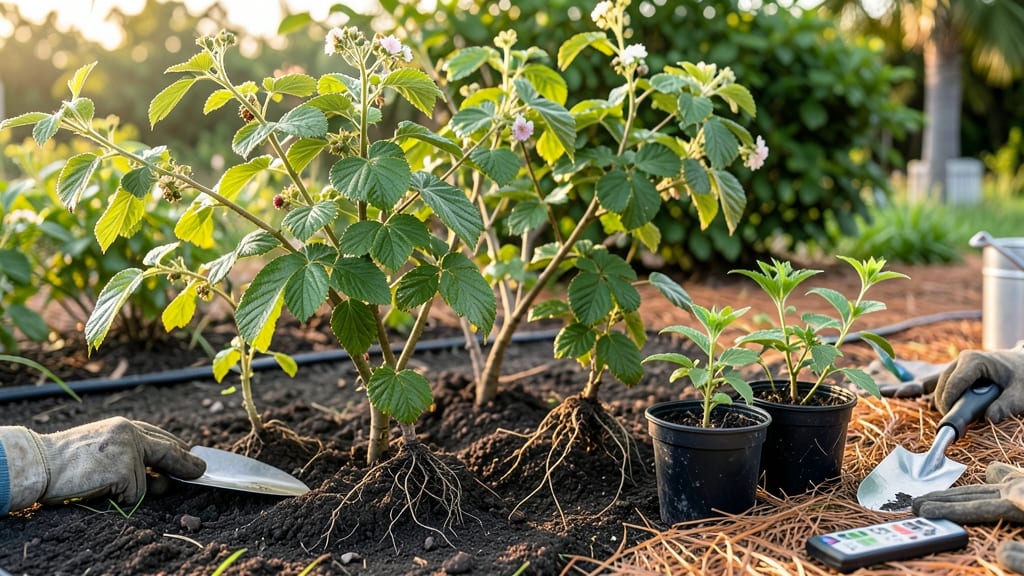
Planting blackberries at the wrong time in Florida’s humid climate can mean stunted growth, pest invasions, or even failed harvests—so timing is everything for these sun-loving brambles. 🫐 With year-round growing potential but critical seasonal shifts, knowing when to plant ensures your canes establish strong roots before Florida’s intense summer heat or unpredictable storms hit.
If you’ve ever wondered why some gardeners get lush blackberry patches while others struggle, the answer often lies in the calendar. Florida’s frost-free zones—from 8a in the Panhandle to 11 in the Keys—create unique planting windows that can confuse even experienced growers.
The best months to plant blackberries in Florida aren’t just about avoiding frost (which rarely happens in most areas) but about aligning with soil warmth, rainfall patterns, and the plant’s natural growth cycles.
I’ve tested planting blackberries in every season, and what I’ve learned will save you from costly mistakes. Whether you’re working with bare-root canes in January’s mild temperatures or potted plants in June’s scorching heat, the right approach depends on your region.
Let’s break down the optimal planting times and how to prepare your soil for success—so you can enjoy sweet, homegrown berries from late spring through fall.
From North Florida’s cooler winters to South Florida’s year-round warmth, each microclimate demands a tailored strategy. You’ll discover how to leverage Florida’s long growing season, avoid common pitfalls like fungal diseases, and choose the perfect varieties for your zone.
Ready to transform your backyard into a blackberry paradise? Let’s get started.
Best months to plant blackberries in Florida’s climate zones
Florida’s diverse climate zones—from Zone 7 in the Panhandle to Zone 10 in the Keys—mean blackberry planting times vary dramatically. In North Florida, cooler winters and occasional frost demand precise timing, while South Florida’s frost-free growing season allows year-round planting with seasonal adjustments.
The key is aligning planting with soil temperatures, rainy seasons, and hurricane risks.
For most Florida gardeners, the best planting windows are late winter to early spring (January–March) and early summer (June–July). These periods balance soil warmth, moisture availability, and pest pressure. However, South Florida growers can plant almost year-round, avoiding only the peak hurricane season (June–November).
🌱
| Florida Zone | Best Planting Months | Soil Temp Threshold | Seasonal Risks |
|---|---|---|---|
| North (7-8) | January–March, June–July | 50°F+ (10°C+) | Late frosts, drought |
| Central (9) | Year-round (avoid Sept–Nov) | 60°F+ (15°C+) | Hurricanes, fungal diseases |
| South (10) | Year-round (avoid June–Oct) | 65°F+ (18°C+) | Extreme heat, flooding |
In North Florida, planting in January–February gives canes time to establish roots before the spring flush of growth. Avoid planting in April or May, as the hot, dry winds can stress young plants.
For summer planting (June–July), focus on bare-root canes and prioritize shade cloth to protect them from intense afternoon sun.
Central Florida’s Zone 9 offers flexibility, but I recommend planting in late winter (February–March) or early summer (June).
The wet summer months (June–August) can increase root rot risks, so amend soil with compost and sand to improve drainage. South Florida gardeners can plant almost anytime, but avoid hurricane season (June–November)—strong winds can uproot young canes.
For all regions, soil temperature is critical. Use a soil thermometer to confirm 50°F+ (10°C+) for root establishment. In North Florida, wait until after the last frost date (typically mid-January in the Panhandle to early March in Orlando).
In South Florida, soil temperatures rarely drop below 65°F (18°C), making year-round planting possible with proper watering and mulching.
Pro tip: Bare-root canes planted in early spring often outperform potted plants, which can overheat in summer. If planting in summer (June–July), soak potted canes 24 hours before transplanting to reduce transplant shock.
Always prune damaged roots and trim canes to 12 inches tall before planting to encourage root establishment.
🌿
One common mistake is planting too late in summer, which can lead to heat stress or pest invasions. In North Florida, September planting is risky due to fall humidity and fungal diseases.
Instead, opt for bare-root canes in January or potted plants in June. In South Florida, December–January is ideal for fall-bearing varieties, as cooler temps improve berry quality.
Finally, consider microclimates within your region. Coastal areas may experience higher humidity and salt spray, while inland zones face hotter, drier conditions. Adjust watering and mulching strategies accordingly.
For example, Palm Beach gardeners should use drip irrigation to avoid foliar diseases, while Tallahassee growers may need windbreaks to protect canes from spring storms.
☀️
Best months to plant blackberries in Florida’s climate zones
Florida’s diverse climate zones—from North Florida’s cooler winters to South Florida’s tropical heat—create distinct planting windows for blackberries. Unlike northern states, Florida’s frost-free growing season means you can plant almost year-round, but timing still matters to avoid stress from extreme heat or storms.
I’ve found that late winter to early spring (January–March) and early summer (June–July) offer the best balance of soil warmth and rainfall for root establishment.
The key is aligning planting with soil temperature thresholds and regional risks. In Zone 7-8 (North Florida), cooler winters mean you can plant as early as January, while Zone 10 (South Florida) gardeners can plant year-round—though summer planting requires extra shade and water.
Hurricane season (June–November) also demands caution, especially in coastal areas where flooding can drown young canes.
| Region | USDA Zone | Best Planting Months | Soil Temp Threshold | Key Risks |
|---|---|---|---|---|
| North Florida | 7-8 | January–March, June–July | 55–65°F (13–18°C) | Late frosts, drought |
| Central Florida | 9 | February–April, July–August | 60–70°F (16–21°C) | Hurricanes, fungal diseases |
| South Florida | 10-11 | Year-round (avoid Dec–Feb) | 65–75°F (18–24°C) | Heat stress, flooding |
For North Florida gardeners, planting in January–March gives canes time to establish roots before summer’s heat. Avoid planting in April–May when soil temperatures can exceed 80°F (27°C), shocking young roots.
In Central Florida (Zone 9), the sweet spot is February–April or July–August, when humidity is high but extreme heat has passed. South Florida’s gardeners enjoy the most flexibility but should steer clear of December–February when cooler nights can slow growth.
Bare-root canes thrive best in cooler months when soil is moist but not waterlogged, while potted plants can handle summer planting if given afternoon shade. I recommend soaking bare-root canes for 2–3 hours before planting to kickstart root growth, especially in Florida’s sandy soils.
Mulching with 3–4 inches of pine straw helps retain moisture and regulate soil temperature, which is critical during Florida’s sweltering summers or unpredictable rainfalls.
Regardless of your zone, avoid planting during hurricane season (June–November) if you’re in coastal areas. Flooding can suffocate roots, and high winds may damage young canes.
Instead, opt for June–July planting in South Florida or late summer (August–September) in Central Florida to give plants time to root before winter’s mild chill. With the right timing, your blackberries will reward you with sweet, abundant harvests from late spring through fall. 🫐
Pro tip: If you’re planting in summer’s peak heat, choose morning hours (before 10 AM) to minimize transplant shock. Water deeply every 2–3 days and use a trellis system to support canes as they grow—Florida’s humidity can make vines top-heavy and prone to breaking.
Your patience in timing will pay off with a thriving blackberry patch! ✂️