
Plants
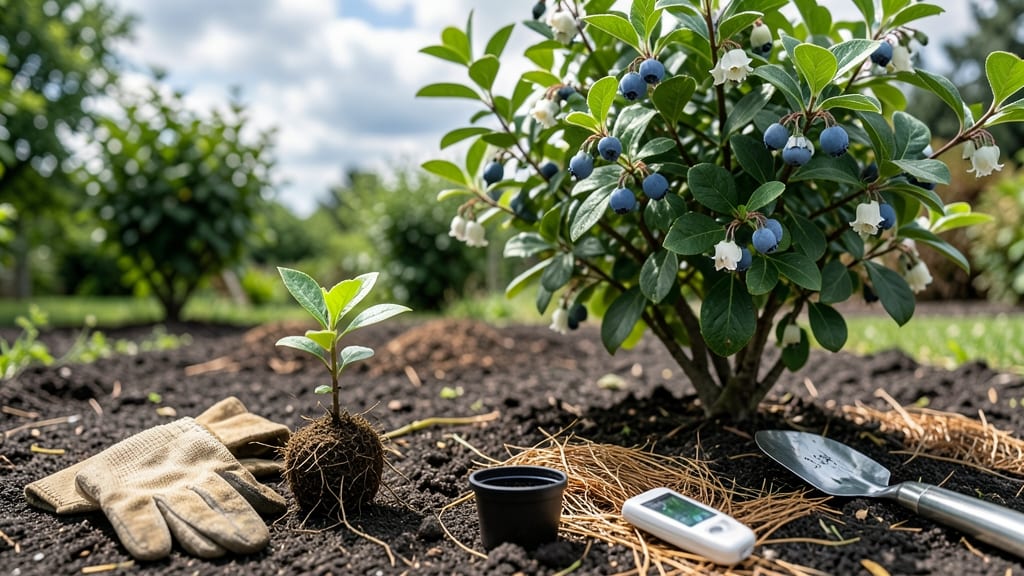
Planting blueberry bushes in Mississippi at the wrong time can mean the difference between a thriving 🫐 harvest and wasted effort—because those delicate roots need just the right conditions to take hold.
The key window is late winter to early spring, when soil temperatures hit 45-55°F, giving your bushes a head start before summer heat arrives.
Most Mississippi gardeners assume spring planting is the only option, but fall can actually be even better—just avoid late spring, when heat stress weakens young plants. Whether you're in USDA Zone 7b or 9a, timing matters more than you think, especially with Mississippi's unpredictable frost dates.
I’ll break down the exact months to plant, how to prep your soil for acidic-loving blueberries, and which varieties thrive best in our heat. No more guesswork—just a foolproof plan for your first successful harvest.
Ready to get started? Let’s dive into the steps that’ll have your blueberry bushes growing strong from day one, no matter where you are in the state.
Best planting windows in Mississippi: soil temperature Zones explained
Mississippi’s USDA Zones 7b-9a create unique challenges for blueberry planting. Unlike cooler climates, our long growing season and humid summers demand precise timing to avoid frost damage or heat stress. The key? Planting when soil temperatures hit 45-55°F—this triggers root growth without exposing tender roots to late frosts.
Northern Mississippi (Zones 7b-8a) has earlier frost risks (mid-November to mid-March), while southern regions (Zones 8b-9a) enjoy 100+ frost-free days. This means your planting window shifts from October-November in the north to February-March in the south.
Here’s the science behind it: Blueberry roots need consistent warmth to establish, but young shoots can’t handle below-freezing temps. Planting in fall (October-November) gives roots time to grow before winter dormancy, while spring (February-March) planting avoids late frosts that can scorch new growth.
🌱 Pro Tip: Use a soil thermometer to confirm temperatures before planting—this is non-negotiable in Mississippi’s unpredictable spring weather.
Mississippi’s microclimates mean your neighbor’s perfect planting time might not work for you. For example, Jackson’s Zone 8a can handle late February plantings, while Tupelo’s Zone 7b risks frost damage if planted after November 15. Always check your last frost date (typically mid-March) and adjust accordingly.
Another critical factor is rainfall timing. Mississippi’s wetter springs can delay planting if the ground stays soggy. Aim for dry, workable soil—this usually means waiting until after our heaviest rain periods (late winter/early spring).
🌡️ Warning: Planting in late spring (April-May) is a common mistake. By then, soil temperatures may already be too warm (above 60°F), causing root stress and poor establishment. Your blueberries will struggle to adapt to summer heat if planted too late.
For container-grown blueberries (bought from nurseries), you have slightly more flexibility. These can handle spring planting up to April in southern MS, but bare-root plants (cheaper but more fragile) must go in during dormancy (fall or very early spring).
📅 Mississippi’s Ideal Planting Calendar:
- Northern MS: October 15-November 15 (fall) or February 15-March 1 (spring)
- Central MS: November 1-March 15 (flexible window)
- Southern MS: February 1-March 31 (spring only)
Remember: Soil temperature > air temperature. A 60°F day in March might feel pleasant, but if your soil is still below 45°F, your blueberries won’t thrive. Invest in a $15 soil thermometer—it’s the best $15 you’ll spend on your blueberry bushes.
How to prepare your Mississippi garden for blueberry bushes
Before you even dig that first hole, your Mississippi garden needs a blueberry-friendly foundation. These shrubs demand acidic soil (pH 4.5-5.5)—something most native soil lacks. I’ve learned the hard way that skipping this step means stunted growth and poor fruit production, no matter how perfect your planting timing.
Start by testing your soil’s pH using a home test kit or sending a sample to your local Mississippi State Extension Service. If your soil reads above 6.0, you’ll need to amend it aggressively.
The key is adding organic matter like pine bark fines or peat moss, which lower pH naturally over time.
Use a digital pH meter or mail a sample to MSU Extension for accurate results.
Mix in 2-3 inches of pine bark or sulfur granules (follow package rates) into the top 12 inches of soil.
Select a sunny, sheltered location with well-draining soil—avoid low areas where frost lingers.
Next, focus on drainage. Blueberries hate soggy roots, so if your yard has heavy clay soil, consider planting in a raised bed or mounding native soil over a gravel base.
I’ve seen gardeners in USDA Zone 8 (like in Jackson) struggle with waterlogged roots after heavy rains—don’t let that be you!
While you’re prepping, add a 2-inch layer of mulch around the planting area (but keep it 3 inches away from the stem). Use pine straw or wood chips—these break down slowly and maintain soil acidity. Pro tip: Avoid fresh sawdust, as it can rob nitrogen from the soil.
Finally, plan for pollination. Most blueberry varieties are self-pollinating, but planting two different varieties (like ‘Climax’ and ‘Premier’) ensures better fruit set. Space bushes 4-6 feet apart to allow airflow and reduce disease risk—crowded plants lead to fungal issues in Mississippi’s humid summers.
With your soil prepped and site selected, your blueberry bushes will have the perfect foundation to thrive. The next step? Planting at the right time—because even the best soil won’t help if you miss the window! 🌱