
Plants
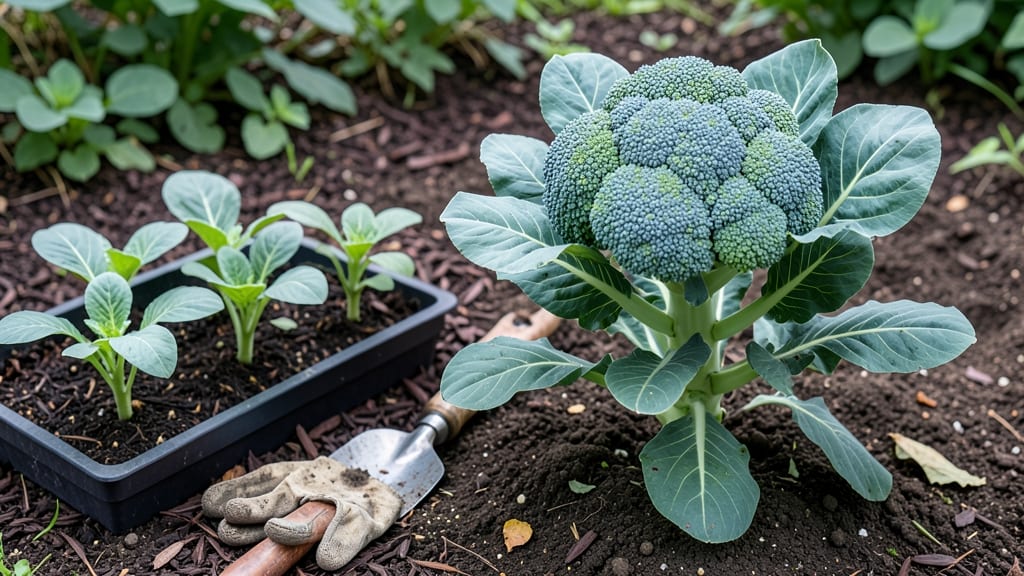
Planting broccoli in Central Texas feels like a high-stakes game of timing—get it wrong, and you’ll either watch your plants bolt in the heat or freeze before they mature.
The key to success isn’t just guessing when to plant; it’s knowing exactly how many weeks before frost your 🥦 needs to establish strong roots and heads.
For Central Texas gardeners in USDA Zone 8a, the difference between a bumper crop and a failed harvest often comes down to planting in the right window.
Fall is your best bet, with ideal dates landing between September and October, but even then, heat and humidity can throw off your plans if you’re not careful.
I’ve learned the hard way that planting too early means battling Texas summers, while waiting too long risks frost damage before your broccoli reaches harvest size. The solution? A precise schedule that accounts for your local frost dates, soil prep, and even shade strategies to keep your plants cool.
In this guide, I’ll break down the exact weeks before frost you should plant for a foolproof fall harvest, plus pro tips to extend your growing season and avoid common mistakes. Let’s get your broccoli thriving—without the guesswork.
Central Texas broccoli planting calendar: exact weeks before frost to avoid bolting
Central Texas gardeners face a unique challenge with broccoli: scorching summers and unpredictable frosts. The key to success lies in planting at the perfect window—4 to 6 weeks before your first frost date (typically mid-November for most of the region).
This timing ensures your broccoli matures before cold snaps hit, while avoiding the heat-induced bolting that ruins summer plantings.
For Central Texas (USDA Zone 8a), your optimal planting windows are late August through September for a fall harvest and February through early March for a spring crop.
Missing these windows? Don’t worry—I’ll show you how to adjust for your specific location (Austin, Waco, or San Antonio) and extend your growing season.
Your first frost date in Central Texas usually lands around November 15, but this varies slightly by city. Austin tends to be a few days earlier than San Antonio, while Waco can see frost slightly later.
To pinpoint your exact date, check the National Weather Service or local agricultural extension office for your specific 10-year average frost date.
For fall plantings, aim to have your broccoli transplanted by early September. If you’re starting from seeds, begin indoors 6-8 weeks before your target transplant date. Seedlings need time to establish roots before the heat of September kicks in.
I recommend using heat-tolerant varieties like ‘De Cicco’ or ‘Waltham 29’ to give your plants the best chance.
Spring plantings require a different approach. Since Central Texas can still see late frosts in March, wait until mid-February to start seeds indoors. Transplant outdoors only after your last frost date (around March 15 for most areas).
Use row covers or cold frames to protect young plants if nights dip below 40°F.
One common mistake I see is planting broccoli too early in summer. Temperatures above 85°F trigger bolting—the plant will send up a flower stalk instead of forming heads.
To avoid this, never plant broccoli in June or July unless you’re using shade cloth and extra soil moisture. Even then, your yields will likely be poor.
Soil temperature is another critical factor. Broccoli grows best when soil temps are between 60°F and 70°F. In Central Texas, this means waiting until late August or early September for fall plantings. Use a soil thermometer to check—if it’s above 75°F, delay planting or provide afternoon shade.
Finally, don’t overlook soil preparation. Broccoli thrives in well-draining, slightly acidic soil (pH 6.0-7.0). Before planting, amend your soil with compost and a balanced fertilizer (5-10-10). Add a 2-inch layer of mulch to retain moisture and regulate soil temperature—a must in Central Texas’ swinging temperatures.
Central Texas broccoli planting calendar: exact weeks before frost to avoid bolting
Central Texas gardeners face a unique challenge with broccoli—our hot summers and cool winters demand precise timing. The secret to success lies in planting 4-6 weeks before the first frost, which typically lands around November 15 in most of the region.
This window gives your plants enough time to mature before temperatures dip below 25°F, when broccoli heads turn mushy.
For most of Central Texas (including Austin, Waco, and San Antonio), the ideal planting window spans mid-September to early October. This schedule aligns with soil temperatures dropping below 85°F, which helps prevent bolting—the plant’s way of flowering prematurely due to heat stress.
Missing this window means either battling summer heat or risking frost damage before harvest.
🌱
| Stage | Action | Key Details |
|---|---|---|
| Soil Prep | Test pH (6.0-7.0) | Add compost; avoid fresh manure |
| Planting Window | Mid-September to Early October | 4-6 weeks before first frost |
| Transplanting | Seedlings (4-6 weeks old) | Space 18-24 inches apart |
| Harvest Window | November to December | Before heads yellow or bolt |
| Frost Protection | Row covers or cloches | Use if temps drop below 28°F |
If you're planting in spring, aim for late February to early March, but be prepared to provide extra shade during April’s heat spikes.
I’ve found that using 30% shade cloth during peak afternoon sun can delay bolting by up to 2 weeks, giving your plants more time to develop heads.
For gardeners in higher elevations (like Hill Country), adjust your planting by 1-2 weeks later since frost arrives slightly later. Always check your local Cooperative Extension Service for updated frost dates—Central Texas can vary by 5-7 days between regions.
Pro tip: Plant a second crop in late October for a winter harvest if your first planting bolts early.
One mistake I’ve seen Central Texas gardeners make is planting too close to frost. Broccoli needs 60-90 days to mature, and cutting it short means small, underdeveloped heads.
To avoid this, mark your calendar for October 15 as your last planting date—this ensures harvests by mid-December before hard frosts set in.
🌿 For extra insurance, consider container gardening with heat-tolerant varieties. Pots allow you to move plants to shaded areas during heatwaves, extending your growing season by 3-4 weeks. Just ensure containers have drainage holes—broccoli hates soggy roots, which can lead to rot in Central Texas’s humid summers.