
Plants
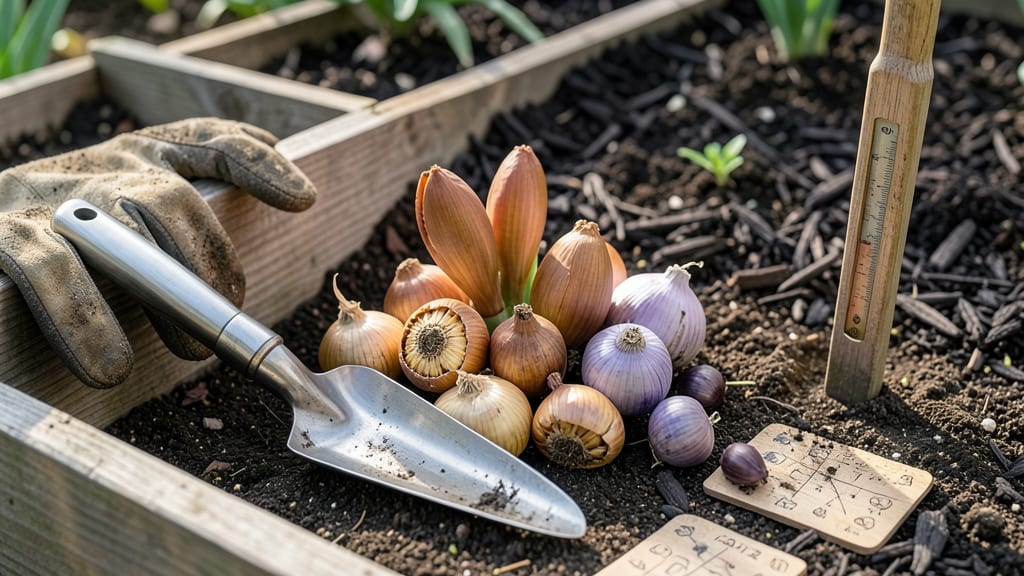
Planting bulbs in Kansas at the wrong time means watching your 🌷 Spring-Blooming Bulbs rot in the ground or never bloom at all. The key to a vibrant spring garden lies in understanding exactly when to plant—because Kansas’ USDA Zones 5b-6b demand precision, not guesswork.
Most gardeners know fall is the time for bulbs, but did you realize September through November is your sweet spot? Planting too early risks soggy soil, while waiting too long means bulbs won’t root before winter’s chill. And yes, some varieties—like tulips—need extra care to survive Kansas’ unpredictable freezes.
I’ve tested the best methods for zero-frost success, from soil temperature tricks to variety-specific deadlines. Whether you’re prepping for daffodils in March or hyacinths in October, this guide cuts through the confusion with a month-by-month Kansas planting calendar.
Ready to transform your garden into a springtime showstopper? Let’s dive into the exact timing, tools, and tips that’ll make your bulbs thrive—no matter where in Kansas you’re planting.
Kansas bulb planting calendar: exact months by variety for frost-free success
Kansas’ USDA Zones 5b-7a mean your bulb planting window is tight—just 4-6 weeks before the first hard frost. For most Kansas gardeners, that’s mid-September to mid-November for fall-planted bulbs like tulips and daffodils.
But timing varies by variety, soil temperature, and even your county’s microclimate. Get it wrong, and you’ll either have rotten bulbs or missed spring blooms.
Spring-planted bulbs (like caladiums) get a second chance in March-April, but they’re riskier in Kansas’ unpredictable spring weather. Let’s break down the exact planting months for your favorite bulbs, plus the depth and spacing that’ll make them thrive.
🌱
| Bulb Type | Planting Window (Kansas) | Depth (inches) | Spacing (inches) | Soil Temp Goal |
|---|---|---|---|---|
| Tulips | Mid-Sept - Mid-Nov | 6-8 | 4-6 | 40-50°F |
| Daffodils | Oct - Early Nov | 8-10 | 6-8 | 45-55°F |
| Hyacinths | Sept - Oct | 6 | 4-5 | 50-60°F |
| Crocuses | Sept - Oct | 3-4 | 3-4 | 50°F |
| Alliums | Oct - Nov | 6-8 | 6-8 | 40-50°F |
| Spring-Planted (Caladiums, Canna) | March-April (after last frost) | 2-3 | 6-12 | 60°F+ |
Notice how daffodils and alliums prefer slightly cooler soil? That’s because they’re more cold-hardy than tulips. Plant them too early in August, and they’ll sprout before winter—then freeze back. Wait until soil temps drop below 60°F (usually mid-September in Kansas City, late September in Wichita).
Pro tip: Use a soil thermometer ($10 at garden centers) to check depth. Aim for 40-50°F at planting depth—this is your sweet spot for most bulbs. If temps are still above
5 Critical factors that determine your Kansas bulb planting window
Kansas’ USDA Zones 5b-7a create a unique challenge for bulb planting—too early, and your 🌱 daffodils rot; too late, and they never bloom. The 5 critical factors below will help you pinpoint the perfect window for your location, whether you’re in Wichita’s Zone 7a or Topeka’s Zone 6a.
First, soil temperature is your best friend. Bulbs need 40-50°F soil to root before winter.
In Kansas, this typically means September through early November—but use a soil thermometer to confirm. Frost dates are your second clue: plant 6-8 weeks before your first hard frost (usually mid-October in most of Kansas).
Next, bulb hardiness matters. Tulips (Zone 3-8) are more forgiving than hyacinths (Zone 4-8), but all need well-draining soil.
Kansas’ clay-heavy soils in eastern regions can trap moisture—amend with compost to avoid rot. Microclimates also shift deadlines: Kansas City’s urban heat may delay frost by a week compared to rural areas.
Don’t overlook moon phases—a gardening myth? Not entirely. Planting bulbs during a waxing moon (when roots grow upward) is said to boost success. Finally, bulb size affects timing: larger 12-inch daffodils need deeper planting (6-8 inches) and may root faster than smaller 8-inch tulips (4-6 inches deep).
Pro Tip: Check your local frost dates using the Kansas State University AgWeather tool (link in resources). For example, Hays (Zone 6a) has a first frost on October 20, while Pittsburg (Zone 7a) waits until November 5. Adjust your schedule accordingly!
- Soil Temperature: Aim for 40-50°F (use a thermometer!)
- Frost Dates: Plant 6-8 weeks before first frost (varies by region)
- Bulb Hardiness: Match varieties to your USDA Zone (e.g., tulips for Zone 5b)
- Drainage: Amend clay soil with compost to prevent rot
- Moon Phases: Plant during waxing moon for root growth
For spring planting (rare but possible), wait until March-April after the last frost. However, bulbs planted in spring often bloom later and may need extra care—like mulching to protect from late frosts. Fall planting remains the gold standard for Kansas gardeners.
Remember: Patience pays off. Bulbs need time to establish roots before winter. If you plant in late November, they may not survive Kansas’ sub-zero temperatures. Stick to the September-October window, and you’ll see vibrant blooms by April—no guesswork needed!