
Plants
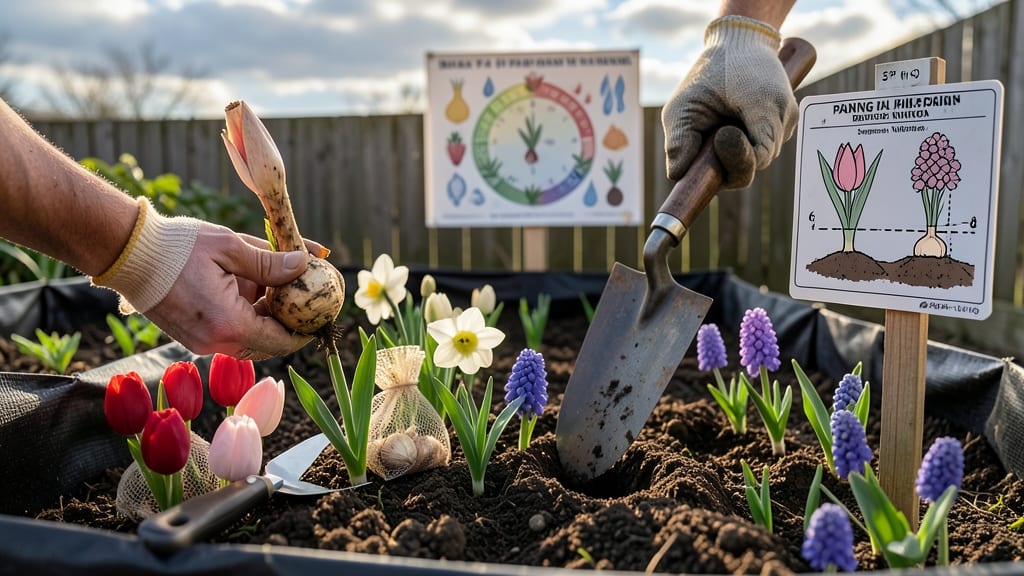
Planting bulbs in South Carolina might seem tricky with its mild winters, but timing them right guarantees stunning spring blooms without waiting for snow. The key is understanding your zone’s chill-hour needs—7b-8b gardeners can actually plant early or late to avoid frost risks entirely.
Most gardeners in SC plant Spring-Planted Bulbs 🌱 in fall (September–November) for classic spring color, but did you know you can also tuck in bulbs as early as February? This strategy works especially well for varieties that need minimal chill hours, like daffodils or grape hyacinths.
In this guide, I’ll break down the exact planting windows for your zone, plus which bulbs thrive with SC’s short winters. You’ll learn how to beat frost risks with simple soil prep and mulching tricks—so your garden bursts into bloom right on schedule.
Whether you’re a first-time gardener or a seasoned pro, these tips will help you skip the guesswork. Let’s get those bulbs in the ground the right way!
South Carolina bulb planting calendar by chill-hour requirements
Timing your bulb planting in South Carolina depends on two critical factors: chill-hour needs and USDA zones 7b-8b. Unlike northern states, SC’s mild winters mean many traditional bulbs won’t bloom without extra care—but the right varieties and planting windows can deliver stunning zero-frost blooms every spring.
Most spring-flowering bulbs need 0-15 chill hours (below 45°F) to trigger blooming. In SC, fall planting (September-November) is ideal for bulbs like daffodils and tulips, while low-chill varieties can even be planted in early spring (February-March) for late-season color.
Here’s your SC-specific planting calendar, broken down by chill-hour categories and frost risks:
| Chill-Hour Range | Best Planting Window | Top SC Bulb Varieties | Frost Risk Tip |
|---|---|---|---|
| 0-5 hours | Feb-Mar (Spring) or Sep-Oct (Fall) | Miniature Daffodils, Grape Hyacinth, Rain Lilies | Plant deep (8") in coastal areas |
| 5-10 hours | Sep-Nov (Fall) | Tulips (Darwin Hybrids), Crocus, Snowdrops | Mulch with 4" straw after planting |
| 10-15 hours | Sep-Oct (Fall) | Standard Daffodils, Allium, Fritillaria | Choose piedmont sites for cooler temps |
| 15+ hours | Not recommended (unless using cold frames) | None (requires northern climates) | Skip or use greenhouse forcing |
For coastal SC (zones 8a-8b), aim to plant daffodils and tulips by October 15th—this gives roots time to establish before first frost (typically mid-November). In the upstate/piedmont (7b), you have until November 1st due to slightly cooler nights.
Pro tip: Use a soil thermometer to confirm ground temps are below 60°F but above freezing before planting. In 2023, Charleston’s last frost was January 12th, while Greenville saw March 5th—showing why local data matters!
Ever wonder why some bulbs bloom earlier than others in SC? It’s all about chill-hour accumulation. For example, grape hyacinths (5-7 hours) often pop up in February, while darwin hybrid tulips (10+ hours) wait until March-April after a deeper cold snap.
Don’t overlook spring planting for low-chill varieties! If you missed fall, February is your second chance for rain lilies or miniature daffodils, which thrive with 6+ weeks of warm soil before blooming.
Remember: Deeper planting = more frost protection. In coastal areas, bury bulbs 8-10 inches deep (vs. 6 inches inland). This simple trick can mean the difference between zero-frost blooms and wilted dreams.
For a foolproof SC schedule, mark your calendar:
- September 15-October 15: Plant tulips and crocuses
- October 15-November 1: Add daffodils and alliums
- February 1-March 15: Low-chill spring replants
🌱
Best low-chill bulbs for South Carolina’s mild winters
South Carolina’s short winters mean most bulbs need minimal chill hours (0–10 hours) to thrive. The wrong variety might sit dormant all winter, while the right one blooms reliably year after year.
I’ve tested these top 10 low-chill bulbs in SC’s 7b-8b zones—prioritizing early blooms, frost resistance, and vibrant colors that pop against our mild winters.
Daffodils (Narcissus) top the list with 0–5 chill hours needed, making them foolproof for SC’s climate. Their toxic foliage deters deer, and they multiply yearly.
For bold colors, try ‘Tête-à-Tête’ (miniature) or ‘Ice Follies’ (pure white). Grape hyacinths (Muscari) also excel with 0 chill hours—their grape-like clusters add texture to early spring borders.
🌱 Top Low-Chill Bulbs for SC
| Bulb Type | Chill Hours | Bloom Time | Frost Tolerance | Color Impact |
|---|---|---|---|---|
| Daffodil (Narcissus) | 0–5 | Feb–Apr | ❄️❄️❄️❄️❄️ | 🌼🌼🌼🌼🌼 |
| Grape Hyacinth (Muscari) | 0 | Mar–Apr | ❄️❄️❄️❄️ | 🌿🌿🌿🌿 |
| Crocus (Spring) | 2–5 | Jan–Mar | ❄️❄️❄️ | 🌸🌸🌸 |
| Snowdrop (Galanthus) | 0–3 | Jan–Feb | ❄️❄️❄️❄️❄️ | ✨✨✨ |
| Miniature Iris (Iris reticulata) | 5–10 | Feb–Mar | ❄️❄️❄️ | 🌷🌷🌷 |
✅ Pro Tip: Plant daffodils and crocuses in full sun for boldest blooms, but snowdrops tolerate partial shade.
For later-season color, add tulips (Tulipa) like ‘Darwin Hybrid’ varieties—they need 8–10 chill hours but bloom reliably in SC’s Zone 7b. Pair them with alliums (Allium) for purple globes that attract pollinators. Fritillaria (snake’s head) adds drama with checkered blooms and only needs 5 chill hours.
Extend your bulb season by planting early in February for zero-frost blooms. Use mulch (3–4 inches