
Planting
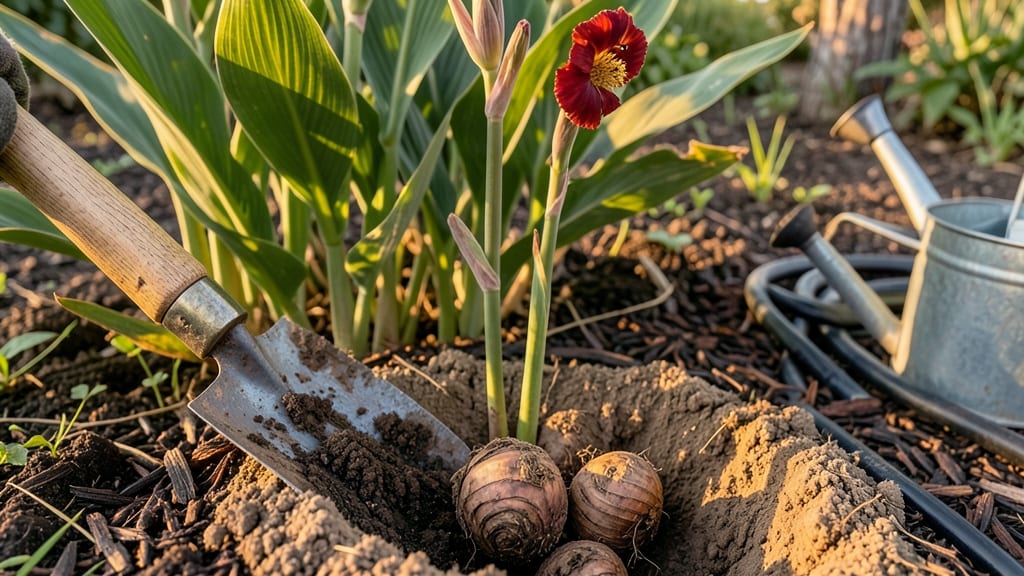
Planting your Canna Lily bulbs at the right time in spring means the difference between a show-stopping summer garden and a sad, stunted plant. The key? Waiting until after your last frost date when soil temperatures hit 60°F or warmer—because these tropical beauties won’t tolerate cold soil.
If you’re in USDA Zone 6a like me, that typically means mid-April to early May, but timing varies by region. Get it wrong, and you risk frost damage or slow growth that leaves you with fewer vibrant 🌸 blooms all season.
The good news? With the right preparation, you can extend your planting window and give your cannas the head start they need.
I’ll walk you through exactly when to plant based on your zone, plus how to check soil readiness and avoid common mistakes. Whether you’re a beginner or a seasoned gardener, these tips will help you maximize your cannas’ dramatic foliage and ensure a season full of bold, tropical color.
Ready to transform your garden? Let’s dive into the frost-free deadlines and soil secrets that make all the difference for your Canna Lily bulbs.
Frost-free planting deadlines for canna bulbs by USDA zone
Canna bulbs thrive in warmth, so planting them too early in spring risks frost damage or slow growth. The key is waiting until your soil stays above 60°F (15°C) consistently—this usually aligns with your last frost date.
In USDA Zones 3-5, wait until mid-May, while gardeners in Zones 6-9 can plant as early as late April. Let’s break down the exact deadlines by zone to ensure your cannas burst into vibrant blooms.
For Zones 3-4, the danger zone for planting is before May 15—frost can still linger, and cannas won’t tolerate cold soil. In Zones 5-6, you’ve got a slightly wider window (April 30 to May 15), but always double-check your local frost dates.
Meanwhile, gardeners in Zones 7-9 can start as early as April 1, but soil temperature is the real deciding factor. Use a soil thermometer to confirm readiness.
Here’s a quick reference to avoid common mistakes. Planting too early? Your cannas may rot. Planting too late? You’ll miss out on the full summer bloom season. Balance is everything!
If you’re in Zones 7-9, you can push the envelope and plant cannas as early as February—just use containers to bring them indoors if nighttime temps dip below 50°F (10°C). This trick gives you a head start on summer color.
For Zones 3-6, resist the urge to plant early. Cold soil and frost will kill your cannas before they even sprout. Patience pays off with lush, healthy growth.
Pro tip: Mark your calendar for Mother’s Day weekend in most zones—this is often the last safe window to plant cannas without risking frost. By then, your soil should be warm enough, and your cannas will have plenty of time to establish roots before summer heat arrives.
Think of it as your personal deadline for a foolproof garden.
One more thing: soil temperature matters more than the calendar. Even if it’s May, if your soil is still chilly, your cannas will languish. Stick a soil thermometer 2 inches deep—once it hits 60°F (15°C) for three days straight, it’s time to plant.
This simple tool saves you from guessing and ensures your cannas thrive from day one.
For gardeners in Zones 3-5, consider starting cannas indoors under grow lights in late winter. Transplant them outdoors after the last frost, and they’ll bloom just as vibrantly as those planted directly in the ground. This method gives you two months of extra growth before summer even begins.
Remember, cannas are tropical plants at heart. They’re not built for cold, so don’t rush the process. The perfect planting window is the one where your soil is warm, your frost risk is zero, and your cannas can focus all their energy on growing—not surviving.
With these deadlines in hand, you’re set for a show-stopping summer display of bold foliage and fiery blooms.
Now that you’ve got your zone-specific timeline, let’s talk about how to prep your soil and spot those sneaky mistakes that can sabotage your cannas before they even sprout. Stay tuned!
5 Signs your soil is ready to plant canna bulbs (and 3 mistakes to avoid)
Before you pop those canna bulbs into the ground, your soil needs to meet a few key conditions. Canna lilies thrive in warm, well-draining soil—cold, soggy ground will send them into shock.
I’ve learned this the hard way after planting too early in my Zone 6a garden and watching my tubers refuse to sprout for weeks.
Here’s how to tell your soil is perfectly primed for cannas: it should be at least 60°F, crumbly when squeezed (not sticky), and free of frost risk.
Use a soil thermometer—it’s your best friend for this step. If the temperature’s still dipping below 55°F, wait a few more days.
⚠️ Danger Zone: Planting Too Early
Mistake #1: Planting when soil temps are below 60°F causes root rot or delayed sprouting. Canna tubers need warmth to wake up!
Mistake #2: Skipping soil prep—compacted or clay-heavy soil suffocates roots. Amend with compost or sand for better drainage.
Mistake #3: Ignoring frost forecasts. Even a light frost after planting can kill emerging shoots. Check your local frost dates!
Now, let’s talk about the 5 readiness signs you should spot before planting. First, dig a small hole and check the moisture—it should feel damp but not soggy. Stick your finger in: if it holds its shape when squeezed, it’s too wet.
Second, look for earthworms or other soil life—they’re a great sign of healthy, aerated soil.
Third, test drainage by filling a container with soil and water. If it drains within 30 minutes, you’re good to go. Fourth, ensure the area gets at least 6 hours of sunlight—cannas are sun-worshippers!
Finally, warm the soil faster by covering it with black plastic mulch a week before planting.
Pro tip: If your soil is still chilly, try container planting in pots you can move indoors if frost threatens. I use fabric grow bags for extra drainage and flexibility. Just place them in a sunny spot and bury the pots halfway in the ground for stability.
Remember, patience pays off with cannas. Rushing the process might save you a few weeks, but it’ll cost you in stunted growth or failed blooms. Take the time to prep your soil right—your garden’s summer spectacle depends on it!