
Plants
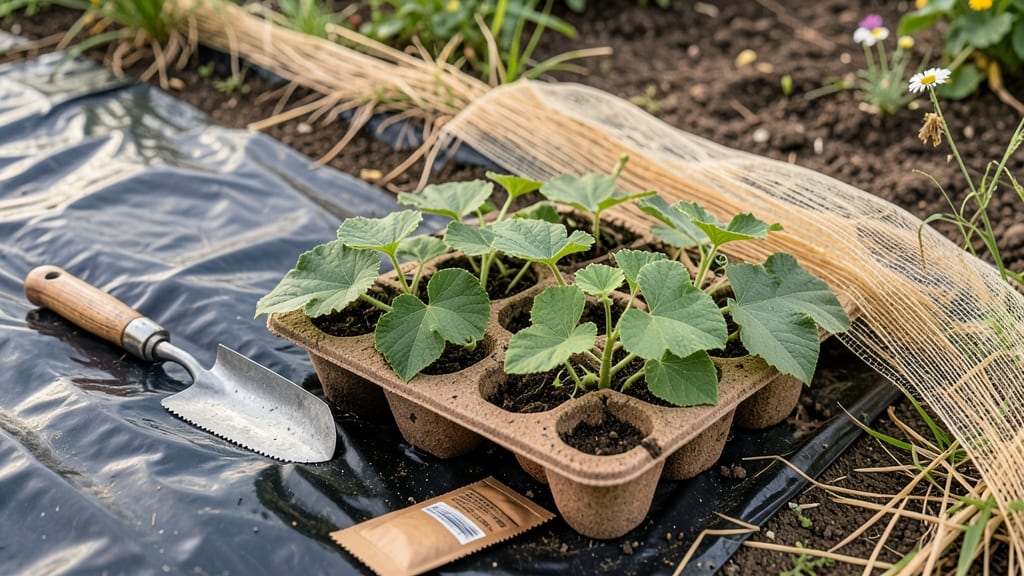
Planting cantaloupe in Missouri isn’t just about timing—it’s about beating the clock before summer’s heat and pests take over. With USDA Zone 5b-6b weather patterns, knowing exactly when to plant 🍈 can mean the difference between a bountiful harvest and a wasted effort.
Most gardeners in Missouri wait until after the last frost, typically between mid-April and mid-May, when soil temperatures hit at least 70°F. But rushing too early can leave your plants vulnerable to late frosts, while waiting too long might shorten your growing season.
The key is finding that sweet spot where warmth meets opportunity.
In this guide, I’ll break down the exact planting windows based on your region, soil prep tips, and how to use frost dates to your advantage.
Whether you’re a seasoned gardener or a first-timer, these insights will help you grow cantaloupe that’s ripe, sweet, and ready to harvest by summer’s end.
Ready to turn your garden into a cantaloupe oasis? Let’s dive into the perfect planting strategy for Missouri’s unpredictable but rewarding climate.
Missouri’s ideal planting windows for cantaloupe based on soil temperature
Cantaloupe thrives when planted in warm soil—at least 70°F—but Missouri’s climate demands precision. Northern Missouri (USDA Zone 5b-6a) has a shorter growing window, while Southern Missouri (Zone 6b) enjoys 2-3 extra weeks.
I’ve grown cantaloupe in both regions, and soil temperature is the critical factor separating success from failure.
For Northern Missouri, aim to plant after May 1 when soil hits 75°F+. Southern Missouri gardeners can start as early as mid-April if using black plastic mulch to warm the soil faster.
I always check soil temps with a digital thermometer—never guess! Cantaloupe seeds won’t germinate below 60°F, and cool soil leads to rotten seedlings.
Here’s my soil temperature checklist before planting: ☑️ 60°F+: Seeds may germinate (slowly) ☑️ 70°F+: Ideal germination ☑️ 75°F+: Fast growth begins ☑️ 80°F+: Optimal for fruiting
| Region | Planting Window | Soil Temp Requirement | Key Tip |
|---|---|---|---|
| Northern MO (Zone 5b-6a) | May 1–15 | 75°F+ (use row covers) | Wait for consistent 70°F+ nights |
| Central MO (Zone 6a) | April 20–May 10 | 70°F+ (black plastic mulch helps) | Plant fast-maturing varieties like ‘Athena’ |
| Southern MO (Zone 6b) | April 1–15 | 65°F+ (earlier with mulch) | Start indoors in March for head start |
| Raised Beds (Anywhere) | April 15–May 1 | 68°F+ (warms faster) | Use straw mulch to retain heat |
Missouri’s spring frost risk makes timing tricky. I’ve lost entire cantaloupe patches to late frosts in May—so I always plant after Mother’s Day in Northern Missouri. For Southern Missouri, April 15 is my cutoff, but I monitor local weather alerts for cold snaps.
Pro tip: Use floating row covers for the first 2 weeks to protect young plants.
If you’re in Zone 5b, consider transplanting seedlings instead of direct sowing. Start seeds indoors 3-4 weeks before your last frost date, then move them outside when soil is warm.
I’ve had 90% success with this method in Columbia, MO, where late frosts are common. Seedlings handle temperature swings better than direct-sown seeds.
For extended harvests, try succession planting every 2 weeks after your initial planting. This ensures melons ripen over 6-8 weeks instead of all at once.
Pair this with drip irrigation to maintain consistent moisture—cantaloupe vines hate drought stress during fruiting. My best yields come from plants that never dry out!
Missouri’s summer heat can also be a challenge. Cantaloupe needs 6-8 hours of sun daily, but afternoon shade helps in Zone 6b where temps exceed 90°F. I plant near trees or fences to create natural shade during peak heat, which prevents fruit sunscald and blossom drop.
One common mistake I see is planting too early in cool, wet soil. This leads to damping-off disease and poor germination. Always amend your soil with compost and sand to improve drainage. Cantaloupe roots need air and warmth—never plant in compacted or clay-heavy soil.
For maximum success, combine these strategies: ✅ Plant when soil hits 75°F+ ✅ Use black plastic mulch in cooler regions ✅ Choose fast-maturing varieties (70-75 days) ✅ Protect seedlings with row covers early on ✅ Water deeply at the base (never overhead)
With the right timing, you’ll harvest sweet, ripe cantaloupes from July through September—just in time for summer picnics! 🍈
How to calculate your Missouri last frost dates for cantaloupe success
Finding your local last frost date is the first step to planning a successful cantaloupe harvest in Missouri. Since the state spans USDA Zones 5b-6b, frost dates can vary dramatically—even between neighboring counties.
For cantaloupe, which needs a 75-100 day growing season, timing is everything to avoid late frosts or missed harvests.
Most Missouri gardeners rely on the average last frost dates from the Missouri State Climate Office, but I recommend adjusting for your specific microclimate. For example, St. Louis typically sees its last frost around April 15, while Kansas City may not be frost-free until May 1.
In colder northern regions like Columbia, wait until mid-May to be safe.
To calculate your planting window, subtract 75 days (minimum cantaloupe maturity) from your last frost date.
For instance, if your last frost is April 20, you should plant by February 5—but since Missouri winters make early planting risky, most gardeners opt for direct sowing after frost (typically mid-April to mid-May).
For a more precise approach, use a soil thermometer to confirm 70°F+ soil temperatures before planting. Cantaloupe seeds won’t germinate well in cooler soil, and waiting ensures your plants aren’t shocked by late frosts.
If you’re in a warmer microclimate (like a south-facing slope), you might plant 2-3 weeks earlier than the average.
Pro tip: Bookmark the Missouri Climate Center’s frost maps or use apps like Old Farmer’s Almanac to track real-time updates. In Missouri, late frosts can occur until early May, so always have row covers ready to protect young seedlings if temperatures dip unexpectedly.
Once you’ve nailed down your frost date, the next step is choosing the right cantaloupe variety for your region. Fast-maturing types like ‘Athena’ (65 days) or ‘Hale’s Best’ (75 days) are ideal for Missouri’s shorter growing season, while longer-season varieties may not ripen before fall frosts. 🌱