
Plants
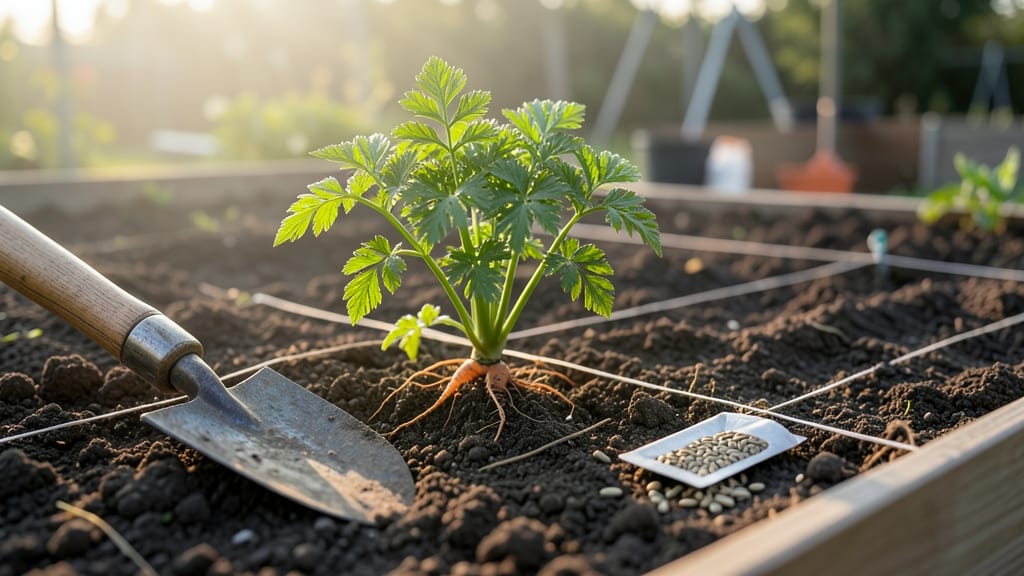
Planting carrots in Nebraska isn't just about timing—it's about beating the unpredictable weather that can turn your garden into a gamble. With the right frost-free windows and cold-hardy varieties, you can grow crisp, sweet 🥕 roots even in USDA zones 5a-6b.
Most gardeners make the mistake of waiting too long in spring or rushing fall plantings. But in Nebraska, the ideal window is narrow—March 15 to April 30 for spring and July 15 to August 15 for fall. Miss these dates, and you risk bolting or stunted growth.
I’ve tested the best varieties for Nebraska’s climate, including bolt-resistant types that thrive despite heat spikes. You’ll also learn how to extend your growing season with succession planting and row covers—so you can harvest fresh carrots from June through November.
Ready to ditch the guesswork? Let’s break down the exact steps to plant, nurture, and harvest carrots that outperform the grocery store—no matter what Nebraska throws your way.
Nebraska carrot planting calendar: best months by region (LINCOLN, OMAHA, WESTERN ZONES)
Nebraska’s USDA zones 5a-6b create a unique challenge for carrot growers—short seasons and temperature swings demand precise timing. The key is planting when soil temps hit 45°F (spring) or 60°F (fall), while avoiding bolting from heat spikes above 80°F.
Lincoln’s last frost typically arrives around April 15, while western zones like Scottsbluff may see frost-free conditions 2 weeks earlier.
For spring planting, Nebraska gardeners should start seeds indoors 4-6 weeks before last frost (mid-March) or direct-sow outdoors March 15-April 30. Omaha’s cooler microclimate extends this window slightly later. Succession planting every 2 weeks ensures a continuous harvest through summer.
Fall planting begins July 15-August 15 to allow 70-90 days of growth before first frost (October 15).
Here’s how Nebraska’s three key regions differ in timing:
| Region | Spring Planting Window | Fall Planting Window | Key Consideration |
|---|---|---|---|
| Lincoln (Zone 5b) | March 20 - April 15 | July 20 - August 10 | Soil warms slower; use row covers for early starts |
| Omaha (Zone 5a) | March 25 - April 20 | July 15 - August 5 | Windier conditions; protect seedlings with mulch |
| Western (Zone 6b) | March 10 - April 30 | July 25 - August 20 | Drier soil; irrigate consistently after germination |
In Lincoln’s cooler climate, I’ve found that black plastic mulch raises soil temps by 5-10°F, allowing earlier planting. For Omaha’s wind-prone areas, windbreaks made from corn stalks or straw bales protect tender seedlings.
Western Nebraska’s sandy soils dry out faster, so drip irrigation is a game-changer for consistent moisture.
Avoid planting carrots when daytime temps exceed 80°F—this triggers bolting (flowering), making roots woody and bitter. In Nebraska’s hot July-August periods, opt for shade cloth (30-50%) or afternoon shade from nearby plants. I’ve successfully grown carrots under tomato cages or sunflowers to create natural shade during peak heat.
For fall harvests, aim to plant by August 15 in eastern Nebraska to ensure roots mature before first frost. In western zones, extend this to August 25. Use cold-hardy varieties like ‘Danvers’ or ‘Purple Haze’ for fall—these tolerate 20°F temps better than standard types.
After harvest, store carrots in sandy soil or sawdust at 32-40°F for winter use.
Pro tip: Test your soil’s pH (6.0-7.0 ideal) before planting—Nebraska’s calcareous soils often need sulfur or peat moss to prevent forked roots. Amend with compost or aged manure for loose, rock-free soil—carrots hate obstacles and will grow crooked around them.
Monitor local frost dates via Nebraska State Climate Office or Old Farmer’s Almanac—these tools adjust yearly based on La Niña/El Niño patterns. In my Lincoln garden, I’ve had late-May frosts delay spring planting by 2 weeks in some years, so flexibility is key.
Finally, Nebraska’s short growing season makes succession planting essential. Stagger sowings every 10-14 days from March to August to enjoy fresh carrots from June through October. This approach also reduces carrot fly pressure, as pests can’t target all plants at once.
Nebraska carrot planting calendar: best months by region (LINCOLN, OMAHA, WESTERN ZONES)
Nebraska’s USDA zones 5a-6b create microclimates where timing makes all the difference. In Lincoln (Zone 5b), your frost-free window typically opens around April 15, but I’ve found that starting seeds indoors by March 15 gives you a head start.
For Omaha (Zone 6a), you can push spring planting to April 30 safely, while western zones (6b) like Scottsbluff enjoy a 10-day earlier window.
The key is avoiding bolting—when carrots flower prematurely due to heat stress. Nebraska’s summers can hit 90°F+, so fall plantings must start by July 15 to harvest before the first frost (October 15).
I’ve learned this the hard way: Waiting until August risks stunted roots and bitter flavors.
Here’s your region-specific planting timeline to maximize yields:
| Region | Spring Planting | Fall Planting | Harvest Window |
|---|---|---|---|
| Lincoln (Zone 5b) | March 15–April 30 | July 15–August 15 | June–July & Oct–Nov |
| Omaha (Zone 6a) | April 1–April 30 | July 1–August 10 | June–July & Oct–Nov |
| Western (Zone 6b) | March 25–April 20 | July 10–August 5 | May–June & Sept–Oct |
For succession planting, sow seeds every 2 weeks from March to July. This ensures a steady harvest and prevents overcrowding. I’ve had the best luck with bolt-resistant varieties like ‘Danvers Half Long’ in late summer plantings—they handle Nebraska’s heat better than standard types.
Pro tip: Use black plastic mulch in spring to warm the soil faster. I’ve seen it shave 10–14 days off germination time in cooler zones like Lincoln. Just remove it once seedlings emerge to avoid overheating.
Always test your soil’s pH (6.0–6.8) before planting. Nebraska’s clay-heavy soils can cause forked carrots, so amend with compost or sand for loose, crumbly beds. A little prep goes a long way in avoiding my worst gardening nightmare: rocky, gnarled roots!