
Plants
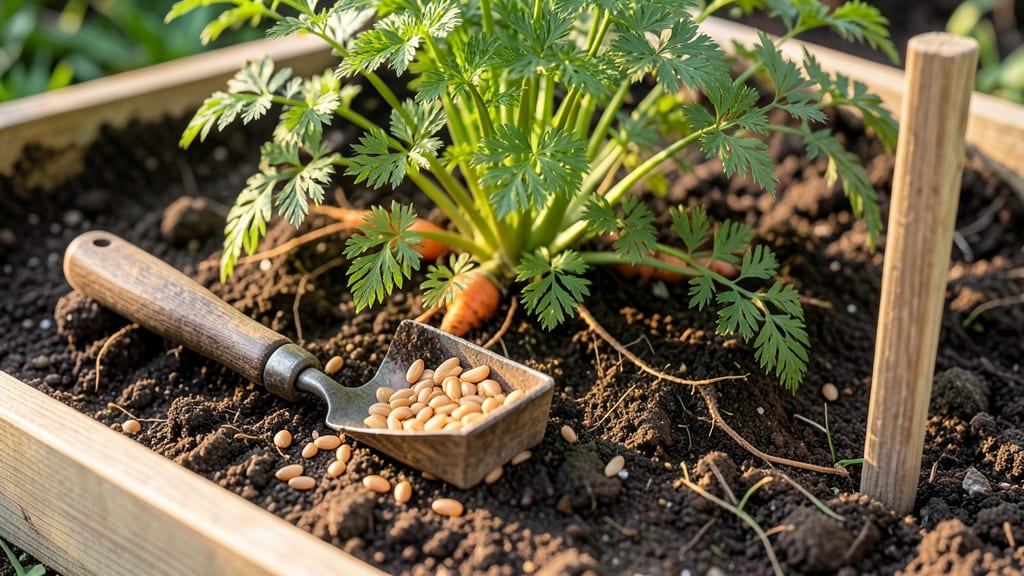
Planting carrots at the wrong time in Zone 7a can turn your crisp, sweet dreams into tough, bitter failures—and the difference often comes down to just a few weeks.
Whether you're a first-time gardener or a seasoned grower, timing your 🥕 seeds correctly means the difference between a bumper harvest and wasted effort.
In Zone 7a, where last frost typically hits around March 15, planting too early risks cold soil and slow germination, while waiting too long can lead to summer bolting.
The sweet spot? Start seeds indoors 6-8 weeks before your last frost, or directly sow them in the garden once soil temperatures hit 50°F—usually by mid-March.
But here’s the secret: Zone 7a gardeners also plant a second crop in late summer (July-August) for a fall harvest. This two-season strategy ensures you enjoy fresh, homegrown carrots from spring through October—no store-bought roots required.
I’ll walk you through the exact weeks to plant, soil prep tips, and how to avoid common pitfalls like bolting or pest issues. Ready to grow carrots that taste like summer? Let’s get started.

Ideal planting windows for carrots in Zone 7A: weeks before last frost
Getting your carrot seeds in the ground at the right time in Zone 7A is everything—too early and frost will kill tender sprouts, too late and summer heat will make them bolt or crack.
The last frost date for Zone 7A typically lands around March 15, but soil temperatures matter just as much as calendar dates. Aim to plant when soil reaches at least 50°F—this usually happens 2-3 weeks after your last frost.
For spring carrots, the sweet spot is 4-6 weeks before your last frost date. In Zone 7A, that means early March plantings for early varieties or mid-March for slower-growing types. If you’re using row covers, you can push this back to late February to jumpstart your season.
I’ve found that early March is my personal favorite—it balances frost risk with warm-up timing.
Fall planting is just as critical, but here’s the catch: carrots need 60-80 days to mature, and Zone 7A’s first frost usually hits around November 15. To avoid winter kills, plant your fall crop 10-12 weeks before your first frost—so late July to early August is ideal.
This gives them time to bulk up before cold sets in, and you’ll still have crisp roots before the ground freezes.
Here’s where it gets tricky: succession planting can extend your harvest, but only if you time it right. In Zone 7A, I recommend planting a second spring batch 2-3 weeks after your first, then a third batch 2 weeks after that.
For fall, a second planting in early August ensures a late-season harvest. The key is keeping soil temperatures below 80°F—any hotter and your carrots will bolt or develop woody texture.
Pro tip: Use a soil thermometer to confirm readiness—carrot seeds won’t germinate well below 50°F. I’ve had years where March was unseasonably cold, and my early plantings took 3 weeks to sprout. If you’re unsure, start with slow-germinating varieties like 'Nantes'—they’re more forgiving in cool soils.
Another common mistake? Planting too deeply. Carrot seeds need light to germinate, so keep them just ¼ inch below soil. If you’re using container gardening, shallow trays work best—just ensure they have drainage holes to prevent rot.
In my raised beds, I mark planting rows with stakes to avoid overcrowding, which leads to forked or stunted roots.
For Zone 7A gardeners, remember: spring and fall are your best bets. Summer heat will stress your carrots, and winter frosts will kill them. By sticking to these planting windows, you’ll enjoy crisp, sweet carrots from May through October—no tough, woody disappointments here!
One last tip: If you’re new to carrots, start with short varieties like 'Paris Market'—they’re forgiving and perfect for small spaces. Once you’ve mastered timing, you can experiment with longer types like 'Danvers' for that classic gourmet carrot experience.
Ideal planting windows for carrots in Zone 7A: weeks before last frost
In Zone 7A, your carrot planting schedule hinges on two critical factors: soil temperature and frost dates.
Since last frost typically arrives around March 15, aim to plant your first crop 4-6 weeks before this date—usually in mid-to-late February if using a seedling tray or early March for direct sowing. This timing ensures roots establish before summer’s heat triggers bolting.
For a second harvest, plant your fall crop in late July or early August, giving carrots 80-90 days to mature before the first frost hits around November 15. This two-season approach maximizes your yield and keeps fresh carrots on the table year-round.
Here’s the key: Soil temperature must reach 50°F for seeds to germinate properly. In Zone 7A, this usually happens by mid-March, but cooler springs may delay germination. Use a soil thermometer to avoid guessing—this tool is your best friend for precise timing.
Pro tip: If your spring is unpredictable, opt for cold-hardy varieties like ‘Early Nantes’ or ‘Paris Market’ to extend your planting window. These varieties tolerate cooler soil and still deliver sweet, crisp roots.
| Planting Window | Zone 7A Timing | Key Considerations |
|---|---|---|
| Spring Planting | Mid-February to early March (4-6 weeks before last frost) | Soil temp ≥50°F; use row covers for early starts |
| Fall Planting | Late July to early August (80-90 days before first frost) | Avoid planting too late—roots need time to mature |
| Succession Planting | Every 2-3 weeks (March to July) | Staggered plantings ensure continuous harvest |
Succession planting is a game-changer for Zone 7A gardeners. By sowing new seeds every 2-3 weeks from March through July, you’ll enjoy a steady supply of fresh carrots without a single gap.
This method also reduces the risk of bolting, as you’re not overwhelming the garden with a single massive planting.
Remember, carrots hate competition. Thin seedlings to 2-3 inches apart once they’re 2 inches tall to prevent overcrowding, which leads to stunted, misshapen roots. A little elbow grease now saves you from bitter, woody carrots later.
For a foolproof schedule, mark your calendar: Plant your first batch in early March, then every 3 weeks until July. This ensures you’ll have carrots ready to harvest from May through October—no grocery store needed!