
How To
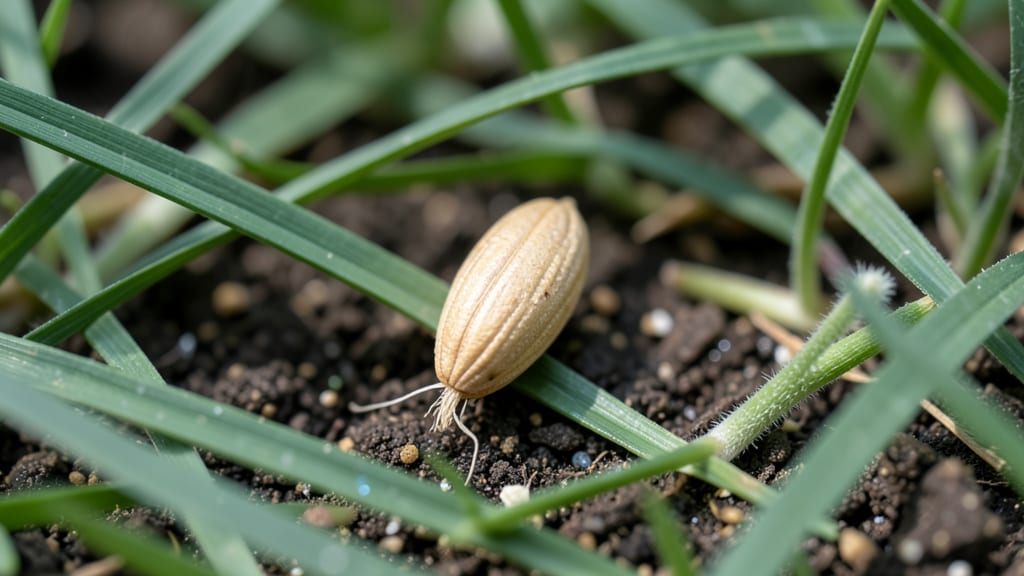
Timing your Centipede Grass seed planting in North Carolina can make or break your lawn's success—especially in USDA Zones 7b-8a where summer heat arrives fast. Plant too early, and you risk frost damage; too late, and your grass struggles to establish before winter.
The sweet spot is late spring to early summer, when soil temperatures hit 75-85°F—perfect for fast germination.
Why does this matter? Centipede Grass thrives in NC's climate but needs the right conditions to take root. Skipping these windows means slower growth, weaker roots, and a lawn that can't handle summer's intensity.
I'll show you exactly when to plant, how to prep your soil, and what to watch for to get that lush, drought-resistant lawn you're dreaming of.
Most gardeners assume "spring planting" means March or April—but that's a mistake in North Carolina. The key is waiting until after your last frost (usually mid-March) and planting when the ground stays warm consistently.
We're talking April through early June, depending on your microclimate. Let me walk you through the exact steps to time it right.
Once you nail the timing, the rest is easier than you think. We'll cover soil prep, watering tricks, and how to avoid common pitfalls that turn good intentions into patchy lawns. Ready to grow grass that actually sticks? Let's get started.
Best planting windows for centipede grass seed in NC (Zone 7b-8a)
North Carolina's USDA Zones 7b-8a create the perfect climate for centipede grass when planted at the right time. Unlike cool-season grasses, centipede thrives in warm soil temperatures between 75°F and 85°F, making late spring to early summer the ideal window.
Planting too early risks frost damage, while late planting can lead to poor germination before summer heat sets in.
For most of North Carolina, this means targeting April through early June as your primary planting window. However, if you're in western NC (Zone 7b), you can start as early as late March once soil warms.
In coastal areas (Zone 8a), you might extend planting into early July without stressing the seed.
Timing isn't just about months—it's about soil temperature. Use a soil thermometer to confirm your lawn's top 2 inches are consistently above 65°F before planting. In NC, this typically aligns with mid-April to early May in most regions, but always verify locally.
| Planting Window | Soil Temp Requirement | NC Regions | Germination Time |
|---|---|---|---|
| Late March - Early April | 65-70°F (Western NC only) | Zone 7b (Mountains) | 14-21 days |
| Mid-April - Early May | 70-75°F (Majority of NC) | Zones 7b-8a | 7-14 days |
| Early June - Early July | 75-85°F (Coastal NC) | Zone 8a (Coastal) | 10-14 days |
If you miss the primary window, don't despair—late summer replanting (August) can work in Zone 8a areas, but success depends on consistent moisture retention. The key is avoiding planting when daytime highs exceed 90°F, as this can cause seed to dry out before germination.
North Carolina's humidity levels also play a role. In eastern NC, where humidity often exceeds 70%, centipede grass seed benefits from light mulching (straw, not wood chips) to retain moisture. In drier western regions, focus on deep watering schedules to prevent seed desiccation.
For fastest germination, aim to plant when your area experiences consistent afternoon thunderstorms—typically May in NC. These storms provide natural deep watering while keeping soil temperatures ideal. Monitor your local NOAA climate forecasts for predicted rainfall patterns before committing to a planting date.
Pro tip: If you're planting in shady areas (30-50% shade), extend your window by 2-3 weeks later than full-sun areas. Centipede grass tolerates shade better than many warm-season grasses, but it still needs at least 4 hours of direct sunlight daily for optimal growth.
Remember that centipede grass spreads slowly—planting too late in the season means you'll miss the first full growing season. For a full, established lawn by next summer, prioritize planting by early June at the latest in most of NC.
Finally, check your local extension service recommendations—NC State Extension provides region-specific advice that can fine-tune these general guidelines. Their soil temperature maps are invaluable for last-minute adjustments based on microclimates.
How to prepare your soil and seed for fast germination in NC's climate
Preparing your soil and seed properly is just as critical as timing when planting centipede grass in North Carolina. This grass thrives in acidic soil with a pH between 5.0 and 5.5, which is common in NC's sandy loam but often needs adjustment.
Before planting, test your soil—most garden centers offer DIY test kits for under $10. If your pH is too high, add sulfur or peat moss to lower it gradually over 2-3 months before seeding.
North Carolina's summer heat can dry out soil quickly, so focus on moisture retention during prep. Work in compost or well-rotted manure to improve soil structure and water-holding capacity. Avoid fresh manure—it can burn seeds and attract pests.
Instead, opt for aged compost mixed into the top 4-6 inches of soil. This also provides essential nutrients without overwhelming the young grass.
Your seed bed must be smooth and level for even germination. Use a rake or lawn roller to eliminate clumps and create a fine, crumbly texture. Remove all debris, rocks, and weeds—even small weeds can compete with seedlings for water and nutrients.
If your lawn has thatch buildup (common in NC's humid climate), dethatch lightly to prevent seed-soil contact issues. A thatch layer thicker than ½ inch can block water and air from reaching seeds.
⚠️ Warning: Avoid These Soil Prep Mistakes
Over-tilling can destroy soil structure and harm beneficial microbes. Centipede grass prefers loose but stable soil—just lightly aerate if compacted. Also, never use herbicides before planting—even "organic" ones can linger and kill young grass. Wait 3-4 months after herbicide use before seeding.
Once your soil is prepped, it's time to hydrate the seed bed. Water deeply 24 hours before planting to settle the soil and create ideal moisture conditions. In NC's dry spring months, this might require 2-3 gallons of water per square foot.
The goal is even moisture—not soggy soil. After planting, keep the soil consistently moist (like a damp sponge) until germination, which typically takes 7-14 days in ideal conditions.
For extra protection against NC's intense sun and heat, consider a light straw mulch (¼ inch thick) over seeded areas. This retains moisture, regulates soil temperature, and reduces seed desiccation.
Avoid thick mulch—it can smother seedlings. In shady areas, you can skip mulch entirely, but still monitor soil moisture closely, as shade slows evaporation but also reduces natural water input.
Finally, acclimate your seed to NC's climate if storing it indoors. Centipede grass seed is hardy, but exposure to humidity fluctuations (common in NC's coastal vs. mountain regions) can reduce viability.
Store seed in a cool, dry place (50-60°F) and reseal the package tightly after opening. If planting within 3 months, you can skip this step—fresh seed germinates better.
With your soil prepped and seed ready, you're one step closer to a thick, green lawn. The next critical phase is watering and maintenance, but proper prep now ensures your centipede grass gets the best possible start in North Carolina's challenging climate.