
Plants
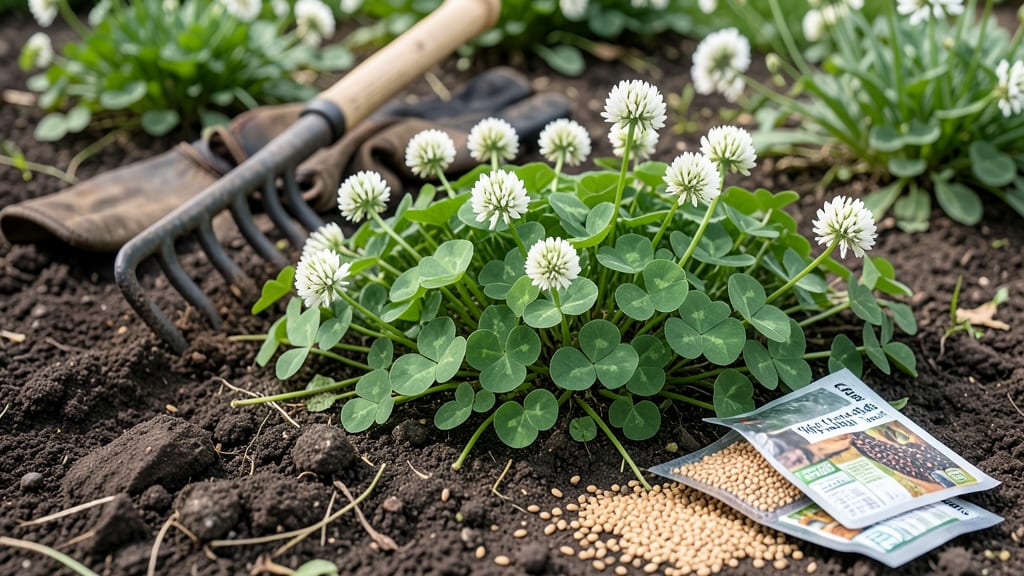
Planting clover in Massachusetts at the wrong time can leave you with patchy growth—or worse, a total washout. The key to success lies in understanding USDA Zone 5B’s frost dates and soil conditions, where a 2-week window can mean the difference between a thriving lawn and wasted seed.
Most gardeners in Massachusetts know clover’s reputation as a nitrogen-rich, low-maintenance ground cover, but timing is everything. Whether you’re sowing for a lush lawn, forage, or cover crop, early spring (March) or early fall (September) are your best bets—just don’t wait until the soil warms too much.
In this guide, I’ll break down the exact planting windows for Massachusetts, including how to adjust for coastal vs. inland microclimates. You’ll also discover why fall planting often outperforms spring in Zone 5B and how to prep your soil for maximum success.
Ready to grow clover that lasts? Let’s dive into the perfect planting schedule tailored to your Massachusetts garden.
Optimal planting windows for clover in Massachusetts (zone 5B)
Massachusetts’ USDA Zone 5B climate creates unique challenges for planting clover. Unlike warmer zones, our short growing season and unpredictable frost dates demand precision timing.
The ideal windows are early spring (March–April) and early fall (August–September), but coastal areas like Cape Cod may adjust by 2–3 weeks due to milder microclimates.
For spring planting, aim for when soil temperatures reach 50°F (10°C)—typically late March to mid-April. This ensures seeds germinate before late spring frosts (common until mid-May in inland areas).
Fall planting should occur 6–8 weeks before first frost (usually mid-October), giving clover time to establish roots before winter.
Here’s the critical data for Massachusetts gardeners:
| Planting Window | Soil Temp Threshold | Frost Risk | Best For |
|---|---|---|---|
| Early Spring (March–April) | 50°F (10°C) | Low (after last frost) | Lawns, pastures, cover crops |
| Late Summer (August) | 60°F (15°C) | Moderate (6–8 weeks before frost) | Fall overseeding, erosion control |
| Fall (September) | 55°F (13°C) | High (before first frost) | Winter-hardy ground cover |
Inland areas like Worcester or Springfield face higher frost risk, so push spring planting to April 1–15 and fall planting to August 15–September 1. Coastal regions like Providence or Cape Cod can start 2–3 weeks earlier due to warmer microclimates.
Always check your local frost-free date—the Massachusetts Horticultural Society provides updated forecasts.
For cover crop clover, fall planting is ideal—it establishes roots before winter and suppresses weeds in spring. If planting for forage or lawns, prioritize spring to maximize growth before summer heat. Avoid planting in June–July; summer heat stresses clover seeds, reducing germination rates by 30–50%.
Pro tip: Use a soil thermometer to confirm temperatures. Clover seeds won’t germinate below 45°F (7°C), even if soil looks dry. In Zone 5B, this often means waiting until late March for spring planting—patience pays off with thicker, hardier clover.
Another key factor is weed competition. Planting in spring gives clover a head start, while fall-planted clover may face fewer weeds but needs consistent moisture to outcompete early spring weeds like chickweed.
For pasture mixes, combine clover with ryegrass or fescue for faster ground cover. In lawns, use white Dutch clover—it’s shade-tolerant and thrives in Zone 5B’s partial shade. Always oversow by 20–30% to account for uneven germination.
Remember: Clover is a living mulch. Once established, it fixes nitrogen, reducing your need for synthetic fertilizers. But timing is everything—plant too early, and frost kills tender seedlings; too late, and you’ll miss peak growth.
Stick to these windows, and you’ll have a lush, low-maintenance lawn or pasture by summer.
Spring vs. fall planting: which works better in Massachusetts?
Deciding between spring and fall planting for clover in Massachusetts can feel overwhelming, but your choice depends on your goals. Fall planting (August–September) often wins for established lawns because cooler temps reduce weed competition, while spring planting (March–April) suits last-minute fixes or early forage needs.
For lawn clover mixes, fall planting gives seeds 4–6 weeks to germinate before winter dormancy, resulting in 20–30% faster establishment than spring. Meanwhile, spring planting risks early frost damage if sown too late—especially in Zone 5B’s inland regions like Worcester or Springfield.
Here’s the key difference: Fall-planted clover enters dormancy stronger, while spring-planted clover faces summer heat stress unless you water deeply. My coastal Massachusetts clients (e.g., Cape Cod) often prefer spring to avoid early fall rains that can wash seeds away.
Spring Planting ✅
- Pros: Quick germination, ideal for early forage.
- Works well for patch repairs in existing lawns.
- Less weed competition if planted early.
Fall Planting ✅
- Pros: 20–30% faster establishment.
- Cooler temps reduce disease risk.
- Better root development before winter.
Spring Planting ❌
- Cons: Late planting risks frost damage.
- Summer drought can stress seedlings.
- More weed competition in warm soil.
Fall Planting ❌
- Cons: Early rains may wash seeds away.
- Requires soil testing for pH balance.
- Less time for visible growth before winter.
For cover crops, fall planting is my top recommendation—it lets clover fix nitrogen over winter, improving soil for next year’s crops. If you’re seeding for forage or pollinators, spring planting gives you earlier blooms (critical for bees in late May).
Pro tip: Test your soil’s pH (ideal: 6.0–7.0) before planting—acidic soil slows clover growth by 30–40%. Amend with lime if needed, but do it 4–6 weeks before sowing to avoid seed burn.
Regardless of season, avoid planting in summer—heat stress kills clover seeds in Zone 5B’s sweltering July and August. Stick to spring or fall, and your clover will thrive year after year.