
Plants
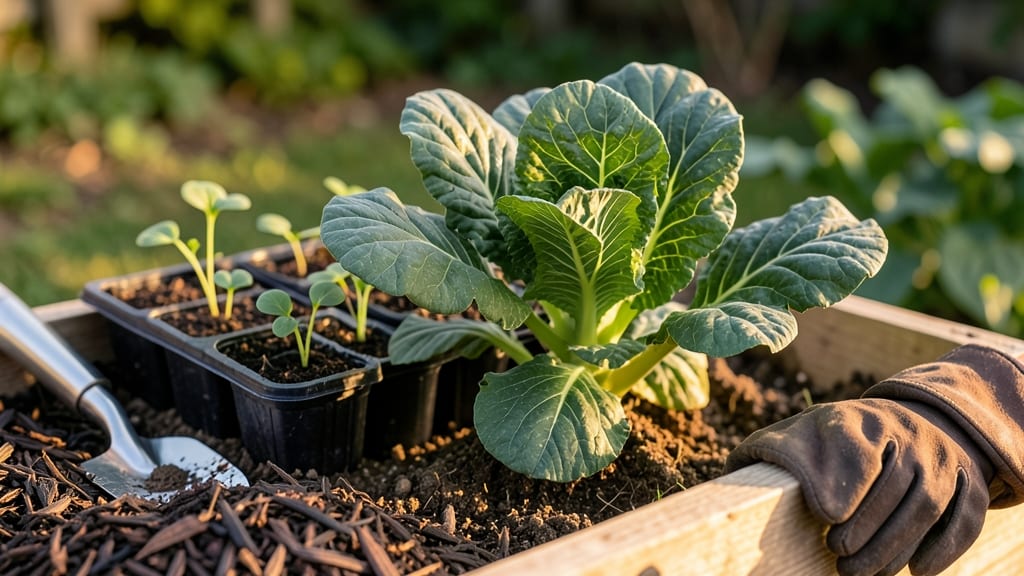
Planting collard greens in Tennessee at the wrong time means missing out on crisp, homegrown 🥬 leaves or risking frost damage before your harvest. The key to success lies in understanding your zone's frost dates and how they align with the plant's growth cycle.
With Tennessee's mild winters and long growing season, you actually have two prime planting windows—early spring and late summer—for a continuous supply of these nutrient-packed greens. But timing matters: plant too early, and you'll face cool soil; too late, and frost will cut your harvest short.
I've grown collard greens in Zone 7b for years, and what I'm about to share will help you avoid common mistakes like bolting or stunted growth. Whether you're a first-timer or a seasoned gardener, these strategies will maximize your yield from March through November.
Let's dive into the exact planting schedule, soil prep tips, and care routines that work best in Tennessee's climate—so you can enjoy fresh collards straight from your garden all season long.
Optimal collard green planting windows in Tennessee (Zone 7b): month-by-month breakdown
Tennessee’s USDA Zone 7b climate offers two prime windows for planting collard greens: early spring and late summer/fall. The key is avoiding extreme heat (which causes bolting) and frost damage (which ruins tender leaves).
For spring plantings, aim for March 15–April 30, while fall plantings should start August 1–September 15 to ensure a harvest before the first frost (typically November 1).
Your soil temperature is critical—collard greens thrive when soil reaches 40–50°F. Use a soil thermometer to confirm readiness, especially in cooler microclimates like Nashville’s valleys or Chattanooga’s higher elevations.
If soil is too cold, delay planting until temperatures stabilize. For transplants, wait until after the last frost (around April 15) to avoid stunted growth.
The month-by-month breakdown below aligns with Tennessee’s frost-free period (190–220 days) and ensures continuous harvests. Whether you’re sowing seeds or transplanting starts, these timelines prevent bolting (premature flowering) and maximize leaf production. For succession planting, stagger sowings every 2–3 weeks within these windows.
🌱
| Season | Planting Window | Soil Temp | Key Notes |
|---|---|---|---|
| Spring | March 15–April 30 | 40–50°F | Transplant after last frost; sow seeds 4–6 weeks before last frost for early harvests. |
| Summer | Avoid (heat causes bolting) | N/A | Skip planting in July/August; use shade cloth if attempting late summer sowings. |
| Fall | August 1–September 15 | 50–60°F | Plant 6–8 weeks before first frost; use row covers for winter protection. |
| Winter | October–February (with protection) | 35–45°F | Use cold-hardy varieties like 'Georgia Southern'; mulch heavily to prevent frost damage. |
For spring plantings, start seeds indoors 4–6 weeks before your last frost date (use biodegradable pots to avoid transplant shock). Harden off seedlings for 7–10 days before moving them outdoors.
In Tennessee, Nashville’s urban heat islands may warm up faster than rural areas, so adjust planting dates 1–2 weeks earlier if you’re in the city.
In fall, prioritize cold-hardy varieties like 'Vates' or 'Top Bunch'. These tolerate light frosts (20–25°F) and sweeten in cold weather. To extend your harvest into winter, apply 2–3 inches of straw mulch around plants and use floating row covers during hard freezes.
In Chattanooga’s Zone 6a pockets, consider planting 2 weeks earlier than the general schedule.
If you’re direct-sowing seeds, space them 1–2 inches apart in rows 18–24 inches apart. Thin seedlings to 12–18 inches apart once they’re 3–4 inches tall to prevent overcrowding.
For container growing, use 5-gallon pots with well-draining soil and place them in full sun (6+ hours daily). Containers warm up faster, so monitor soil moisture closely in summer.
💧
Pro tip: Succession plant every 2 weeks in spring and fall to ensure a steady supply. For example, sow a batch on March 15, another on March 29, and a final one on April 12 for staggered harvests through June.
In fall, repeat this strategy from August 1 to September 15 to avoid harvest gaps. This method works especially well for home gardens with limited space.
Always check your local frost dates—they can vary by 1–2 weeks depending on elevation and microclimate. For real-time updates, consult the Tennessee State University Extension or use a frost calendar app.
With these timelines, you’ll enjoy tender collard greens from May through November, even in Tennessee’s variable climate.
How to extend your collard green harvest: succession planting and cold-hardy varieties for Tennessee
Tennessee’s two growing seasons for collard greens—spring and fall—don’t have to mean two separate harvests. With succession planting and cold-hardy varieties, you can enjoy fresh leaves from March through November without gaps. The trick is staggering your plantings every 2-3 weeks to keep a steady supply.
I’ve found that 'Georgia Southern' and 'Vates' varieties handle Tennessee’s cooler nights best, producing sweet, tender leaves even when temperatures dip. These varieties also resist bolting better than others when days shorten in late summer. For maximum yield, aim to have 3-4 plantings spaced throughout the season.
Here’s how to make it work: Start your first spring planting 4-6 weeks before your last frost date (around March 15 in most of Tennessee). Then, add two more plantings at 3-week intervals to ensure continuous harvests through June.
For fall, your last planting should go in August 1-15 to mature before frost.
🌱 Key Strategies for Extended Harvests
- 1. Plant in stages: Space 3-4 plantings 3 weeks apart for continuous harvests.
- 2. Choose cold-hardy varieties: 'Georgia Southern' and 'Vates' tolerate 25°F with protection.
- 3. Use row covers: Extend fall harvests by 2-3 weeks with lightweight fabric.
- 4. Mulch heavily: Straw or leaves insulate roots and retain moisture.
- 5. Harvest strategically: Pick outer leaves first to keep plants producing.
Don’t overlook winter protection—even in Tennessee’s mild climate. A thick layer of mulch (4-6 inches) can keep collards growing through light frosts (down to 20°F). For heavier freezes, a frost cloth will shield your plants and let them recover.
I’ve had collards survive short winter spells in Nashville with just these simple protections.
If you’re short on space, consider container gardening. Collard greens thrive in 5-gallon pots with proper drainage, and you can move them to protected spots during cold snaps. Just ensure they get 6+ hours of sun daily, even in containers.
This flexibility lets you adjust planting times based on your microclimate—whether you’re in Chattanooga’s cooler valleys or Memphis’ warmer pockets.
With these techniques, you’ll enjoy homegrown collards year-round, reducing store-bought costs and ensuring the freshest, most flavorful greens. Start small with one succession planting this season, and expand next year—your taste buds (and wallet) will thank you! 🥬