
Plants
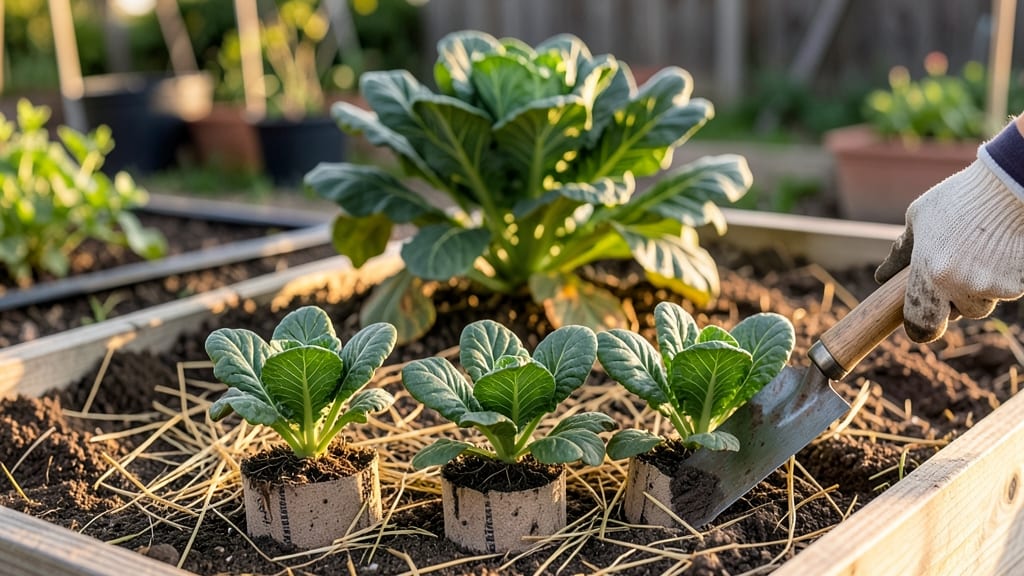
Timing when to plant collards in South Carolina just right could mean the difference between a lush, flavorful harvest and wilted disappointment. The key is planting when soil temperatures rise above 50°F—too early, and frost will nip your greens before they take off.
For most of the state’s USDA Zones 7b-8a, that means two ideal windows: late February to early April for spring and August to early September for fall. But coastal areas like Charleston warm up faster than the Piedmont, so local microclimates matter.
If you’ve ever watched your collards bolt in summer heat or freeze in early fall, you know how critical getting the timing right is. I’ll show you exactly when to plant for zero-frost success and how to adjust for South Carolina’s regional variations.
Ready to grow collards that thrive from seed to harvest? Let’s break down the perfect planting schedule so you can enjoy homegrown greens all season long.
Optimal collard planting windows in South Carolina (zone 8A/8B)
South Carolina’s USDA Zones 8A/8B offer two ideal windows for planting collards: early spring and late summer. Timing is critical—plant too early, and frost will damage tender seedlings; too late, and heat stress stunts growth.
Let’s break down the perfect timing for your region, whether you're in Charleston’s coastal zone, Columbia’s piedmont, or Greenville’s upstate.
For spring planting, aim for 4-6 weeks before your average last frost date. In most of South Carolina, this falls between late February and early April. Charleston’s last frost typically hits around March 15, while Greenville’s can linger until March 30.
Planting in March gives collards enough time to mature before summer heat arrives, ensuring a harvest in April or May.
Your second planting window is late summer, specifically August through early September. This timing lets collards establish roots before cooler fall temperatures set in.
By planting in August, you’ll harvest from October through November, just before the first frost—usually around November 15—though upstate areas may see frost earlier.
If you’re unsure about your local frost dates, check the South Carolina Climate Summary from Clemson University or use the Almanac’s Frost/Freeze Calculator. These tools provide hyper-local data to fine-tune your planting schedule.
For example, Myrtle Beach may have a last frost as early as February 28, while Anderson could see frost until April 5.
For direct sowing, plant seeds ½ inch deep and 1 inch apart, thinning to 12-18 inches apart as they grow.
If starting transplants, harden them off for 7-10 days before planting to reduce transplant shock. Soil temperature is just as critical as air temperature—use a soil thermometer to confirm it’s above 50°F before planting.
Pro tip: Plant collards in blocks (not rows) to maximize space and make harvesting easier. This also helps confuse pests like cabbage worms, which are less likely to find all your plants. Pair collards with radishes or carrots to deter pests naturally while saving space in your garden.
Remember, collards are heat-tolerant but prefer cooler weather for sweetest flavors. Planting in late summer ensures they mature before summer’s peak heat, while spring plantings avoid the worst of summer’s humidity. With these windows, you’ll enjoy fresh collards for nearly 10 months in South Carolina!
🌱
Optimal collard planting windows in South Carolina (zone 8A/8B)
South Carolina’s USDA Zones 8A/8B offer two prime windows for planting collards: late winter/early spring and late summer. The key is avoiding frost while ensuring soil temperatures stay above 50°F—critical for germination and growth.
For spring planting, aim for late February to early April in most areas. Coastal regions like Charleston can start as early as mid-February, while the Piedmont (Greenville) may need to wait until early March to dodge late frosts.
Your fall planting window runs from mid-August to early September, allowing collards to mature before the first frost (typically mid-November). This second harvest is often sweeter and more tender.
| Region | Spring Planting | Fall Planting | Last Frost |
|---|---|---|---|
| Charleston (Coastal) | Mid-February | Late August | March 1 |
| Columbia (Piedmont) | Early March | Early September | March 15 |
| Greenville (Upstate) | Late March | Mid-August | March 22 |
If you’re unsure about your local last frost date, check the SC State Climate Office or use a soil thermometer—collard seeds won’t germinate well below 50°F. I always test my soil for a few days before planting to confirm readiness.
For direct sowing, plant seeds ½-inch deep and 1-inch apart in rows spaced 18 inches apart. If transplanting seedlings, space them 12-18 inches apart to allow room for growth. Thinning is easier if you start with closer spacing.
Pro tip: Use black plastic mulch in early spring to warm the soil faster and deter weeds. This trick has helped me shave off 1-2 weeks from my planting timeline in cooler areas.